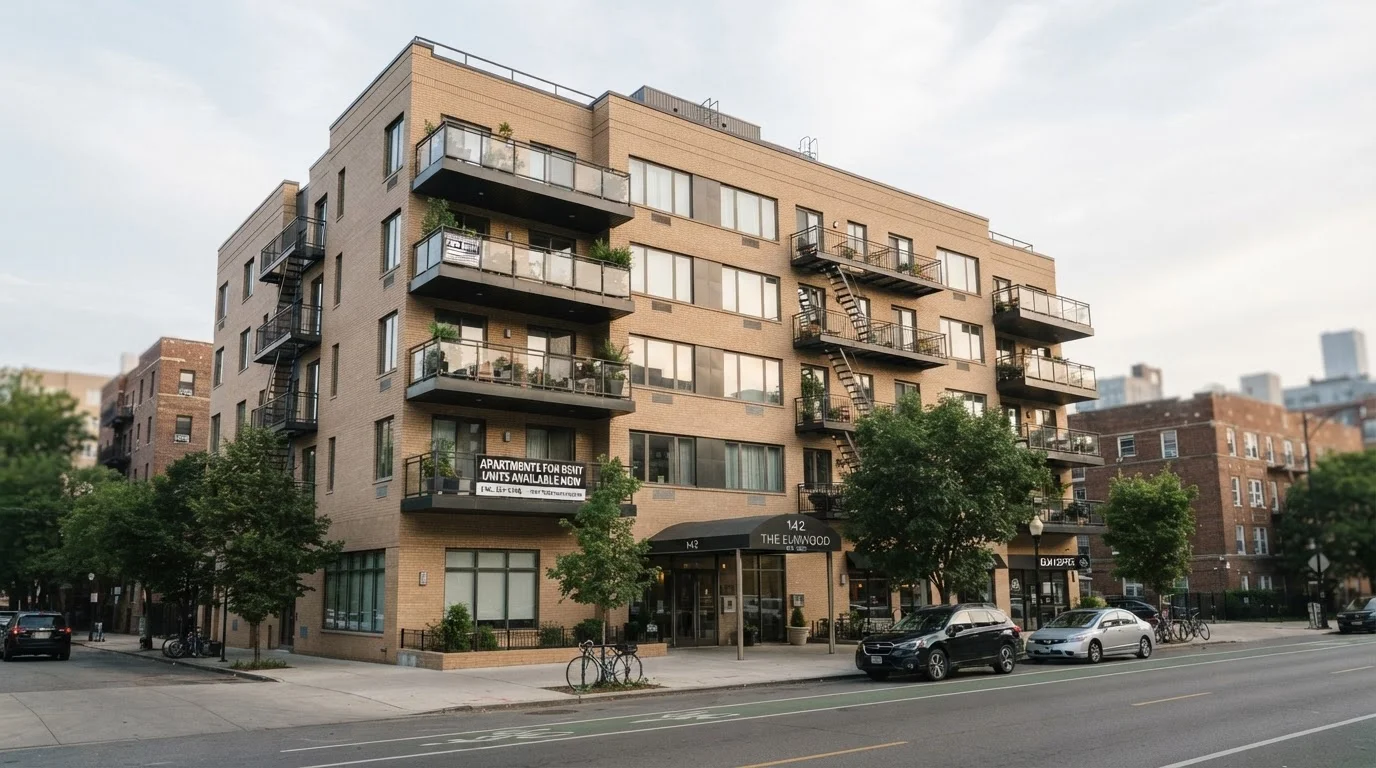

The Myth of the Take-It-or-Leave-It Lease
Many renters hand a lease back signed without changing a word — not because every term is acceptable, but because they assume asking for changes isn't done. That assumption is costing them money and flexibility they were entitled to negotiate for.
A lease is a contract, and like most contracts, its terms are set by whoever drafts it first. That happens to be the landlord. But a first draft is not a final offer. Landlords, especially those managing individual properties or small portfolios, often expect prospective tenants to raise questions or propose adjustments. Larger corporate property managers may have less flexibility on certain standard clauses, but even they frequently accommodate reasonable requests — particularly when a unit has been sitting vacant.
Understanding where you have leverage, and how to use it without damaging the relationship, is a practical skill that pays off from the moment you sign. See our guide to red flags in lease agreements for a primer on what to scrutinize before you even begin negotiating.
Lease Terms That Are Most Often Negotiable
Not every clause carries equal weight, and some are far more commonly modified than others. Focus your energy on the terms with the highest practical impact.
Before requesting changes, read the lease completely and mark every clause that concerns you. Prioritize two or three items — landlords respond better to focused, reasonable requests than a long list of objections.
Reading the Market Before You Sit Down
Your negotiating leverage is directly tied to local rental market conditions. In a tight market where apartments rent in days, landlords have less incentive to offer concessions. In a softer market — or when a unit has been listed for several weeks — the calculus shifts meaningfully in your favor.
Check local vacancy rates through sources like the U.S. Census Bureau's Housing Vacancies and Homeownership survey or local apartment association reports. A higher vacancy rate in your target area is a reliable signal that landlords are motivated to fill units and more open to negotiation. If you're curious how broader rental protections intersect with negotiation, understanding rent control basics can sharpen your overall picture of the rental landscape.
How to Make the Ask — and Get It in Writing
Approach lease negotiation the way you would any professional conversation: be direct, be specific, and give a rationale. Vague objections rarely land. Concrete proposals almost always prompt a response.
Once any term is agreed upon verbally, insist on a written amendment or addendum — both parties should sign it, and it should reference the original lease. Verbal agreements about lease terms are extremely difficult to enforce and are frequently disputed. The consequences of lease terms you didn't fully understand become clearest at the worst possible moment — when you need flexibility and the lease doesn't provide it.
This article provides general informational and educational content about rental lease negotiation. It is not legal advice. Lease laws vary by state and locality. Consult a qualified attorney or tenant rights organization for guidance specific to your situation.