How Airlines Actually Set a Ticket Price
There is no single price for a flight. At any given moment, a plane may have seats selling for $89, $189, and $389 — all in economy class, all going to the same destination. This is not inconsistency; it is the deliberate design of airline revenue management.
Airlines divide their cabin inventory into fare classes — sometimes called fare buckets — ranked from the lowest discounted rate up to a full unrestricted fare. Each class has a limited number of seats. As lower classes sell out, the system automatically moves available inventory into the next tier at a higher price. The algorithm also responds to how quickly seats are selling: if a route is booking faster than expected, prices rise; if it lags, discounts may be released.
Understanding this mechanism reframes how you approach searching for flights. You are not looking for a deal that exists independent of your action — you are trying to find a moment when a lower fare class still has available seats.
~47
Average days before departure for lowest domestic fares
Analysis of fare data by travel research outlets suggests the lowest average domestic fares tend to appear roughly four to seven weeks before departure, though this varies considerably by route.
~20–30%
Fare premium on routes with limited competition
Academic and government studies of airline market concentration have repeatedly found that routes dominated by a single carrier carry materially higher average fares than those with multiple competing airlines.
12–16
Typical number of fare classes in a single economy cabin
Industry analysts note that major US airlines typically manage between a dozen and sixteen distinct fare buckets per cabin, each with its own pricing rules and seat allocation.
The Factors That Push Fares Up or Down
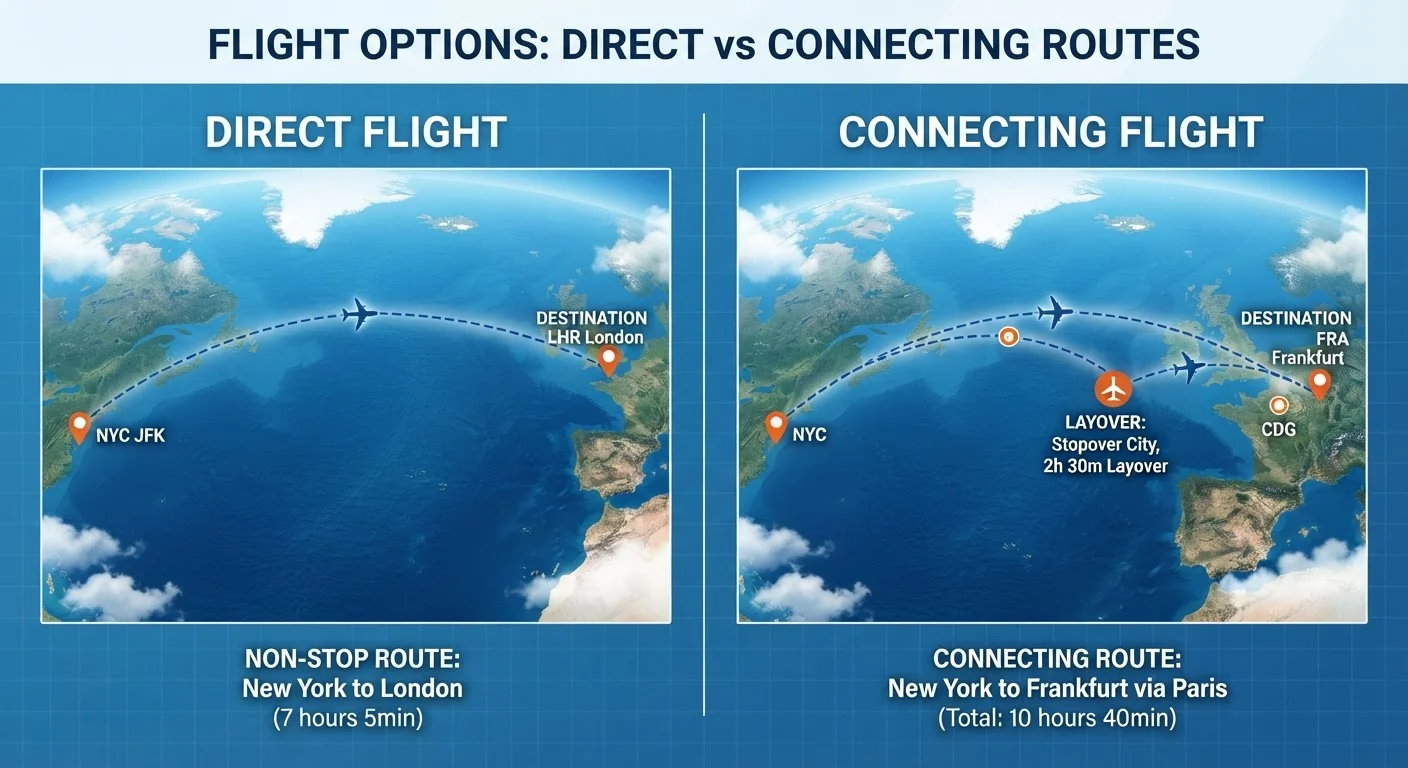
Route competition is one of the most powerful price drivers. On routes where two or more airlines compete directly, average fares tend to be lower. When a single carrier controls a route — common in smaller regional markets — it faces less pressure to discount. This is why a short hop between two mid-sized cities can sometimes cost more than a transcontinental flight.
Seasonality and demand cycles shape pricing across entire markets. Peak summer travel, spring break windows, and major holidays create surges in demand that airlines monetize by releasing fewer discounted seats. Shoulder seasons — late spring and early fall for many US destinations — generally offer more favorable fare conditions because demand is softer.
Day-of-week patterns matter too. Business travelers dominate Monday morning and Thursday evening flights, which pushes those fares higher. Mid-week departures on many routes carry lower average prices simply because fewer people are competing for those seats.
Booking timing is real but often misunderstood. Contrary to popular belief, the earliest booking is not always the cheapest. Airlines initially release a mix of fare classes; as the departure date closes in, remaining inventory shifts to premium pricing. For a deeper look at how this plays out, see why booking flights early doesn't always mean paying less.
What You Can Control When Searching for Flights
Knowing what moves prices gives you practical levers to pull — even without a flexible schedule.
- Search with flexible dates. A two- or three-day window on either side of your preferred departure often reveals meaningful fare differences. Most search tools offer a calendar or grid view that makes this comparison easy.
- Consider nearby airports. Larger metro areas often have multiple airports, and the fare differential between them can be substantial on certain routes.
- Watch for one-way versus round-trip pricing. On some routes, two one-way tickets — potentially on different airlines — produce a lower combined fare than a round-trip on a single carrier.
- Compare total cost, not just the base fare. Checked baggage fees, seat selection charges, and booking fees can add $50–$150 or more to a ticket. These are explored further in our guide to hidden costs that inflate your travel budget.
Flight costs are just one input into a trip's overall expense. Pairing a smart airfare strategy with a structured approach to daily spending — covered in our guide to building a realistic daily travel budget — gives you a more complete picture of what a trip will actually cost.
Pricing in the airline industry also parallels how accommodation is priced: the same logic of demand, availability, and timing applies. Our explanation of how hotel pricing actually works shows how the two systems mirror each other — and how understanding both helps you plan more effectively overall.