What Your Confirmation Email Actually Promises
Most travelers assume a hotel booking confirmation is a contract locking in the exact room they selected — the king bed on the 8th floor with a city view. In practice, the fine print tells a different story. What hotels legally commit to is a room type or category, not a specific unit, floor, or view.
Hotel booking terms — whether you book through the hotel directly or via a third-party site — almost universally reserve the right to substitute a comparable room if the one you selected isn't available. "Comparable" is defined by the hotel, not by you. That ocean-view suite you booked might become a garden-view room of similar size if demand shifts or a previous guest extends their stay.
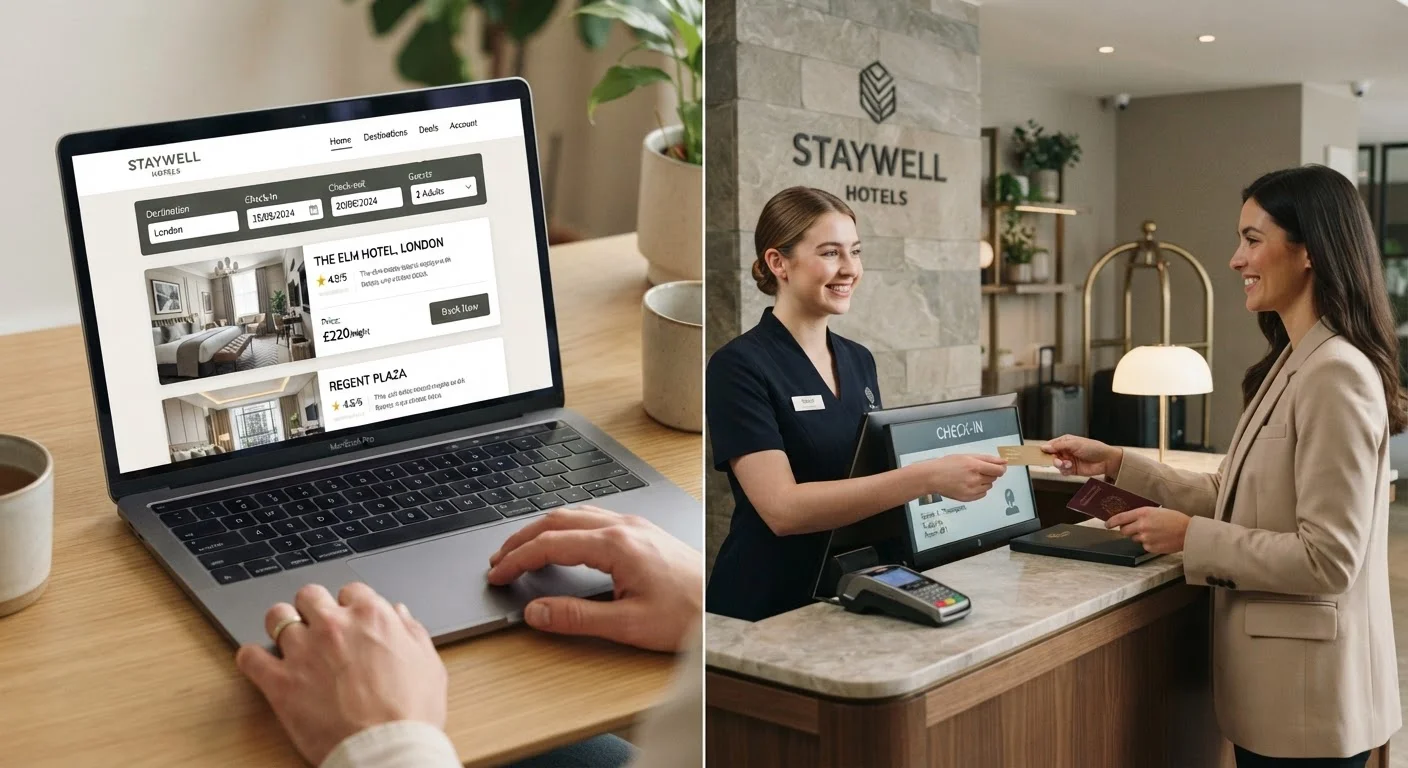
Understanding this distinction is the first step toward managing your expectations and your options. For a deeper look at how your booking channel affects your stay, see how booking direct vs. third-party sites affects your stay.
Common Mistakes Travelers Make With Room Bookings
These missteps leave travelers frustrated at the front desk — often when it's too late to do much about it.
Assuming the room shown in booking photos is the one you'll receive.
Why it happens: Booking platforms display representative images for room categories, not the actual unit assigned to you. Travelers naturally anchor their expectations to those visuals.
Relying on a third-party platform to communicate your room preference to the hotel.
Why it happens: Guests assume that notes entered during checkout on an OTA are passed along automatically. In many cases, they aren't — or they arrive as low-priority flags the hotel may not act on.
Waiting until check-in to mention a critical room requirement.
Why it happens: Many travelers think check-in is the natural moment to sort out room details. By that point, room assignments are often already finalized and alternatives are limited.
Accepting a room downgrade without asking about compensation or alternatives.
Why it happens: Guests don't want to seem difficult at check-in, especially after a long journey. They accept what's offered without knowing they have options.
Not reviewing the cancellation policy before flagging a room-type problem.
Why it happens: Travelers sometimes threaten to cancel on the spot when they're unsatisfied, not realizing their rate may be non-refundable by the time they arrive.
How to Actually Protect Your Room Preferences
~10%
Typical hotel overbooking rate above capacity
Industry analysts have long noted that hotels routinely book beyond physical capacity to compensate for expected no-shows and last-minute cancellations.
48 hrs
Optimal window to call about room preferences
Hospitality operations experts generally advise contacting the property two days before arrival, when room assignment rosters are being actively adjusted.
The most effective strategy is to treat your confirmation as a starting point, not a finish line. After booking, contact the hotel directly — not the third-party platform — and ask to note your room preferences on your reservation. Staff members have more flexibility to honor requests when they come through direct channels.
Call the front desk 48 hours before arrival and repeat your request. This is when housekeeping schedules are being finalized and room assignments are more fluid. Politely confirm what's been noted on your file. If you're celebrating an anniversary or have a medical need that makes a specific room type important, say so — these contextual details can move your request up the priority list.
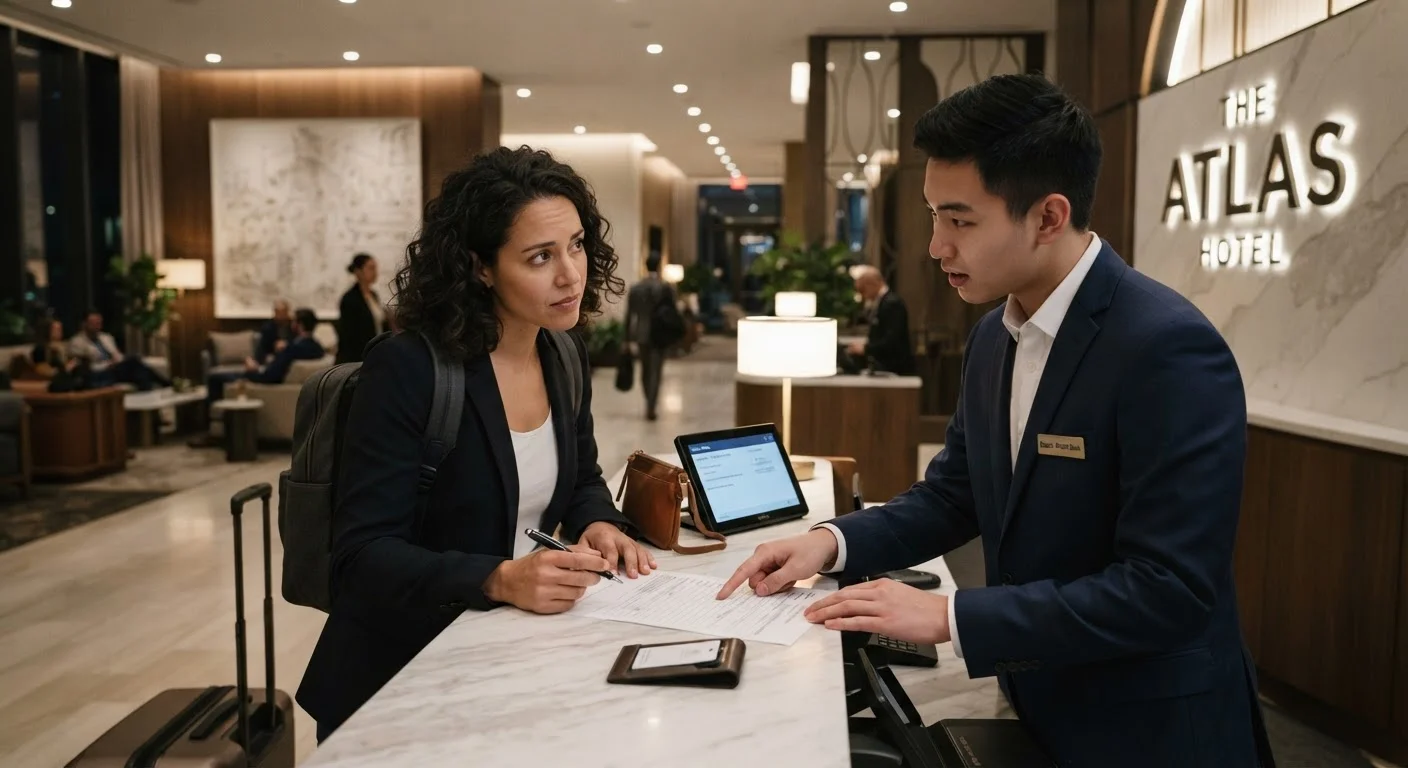
At check-in, arrive early. Room assignments for late arrivals are often made from whatever inventory remains. If the room offered doesn't match what you booked, ask calmly whether any alternatives are available before accepting the substitution. Front desk agents often have more flexibility than their initial answer suggests.
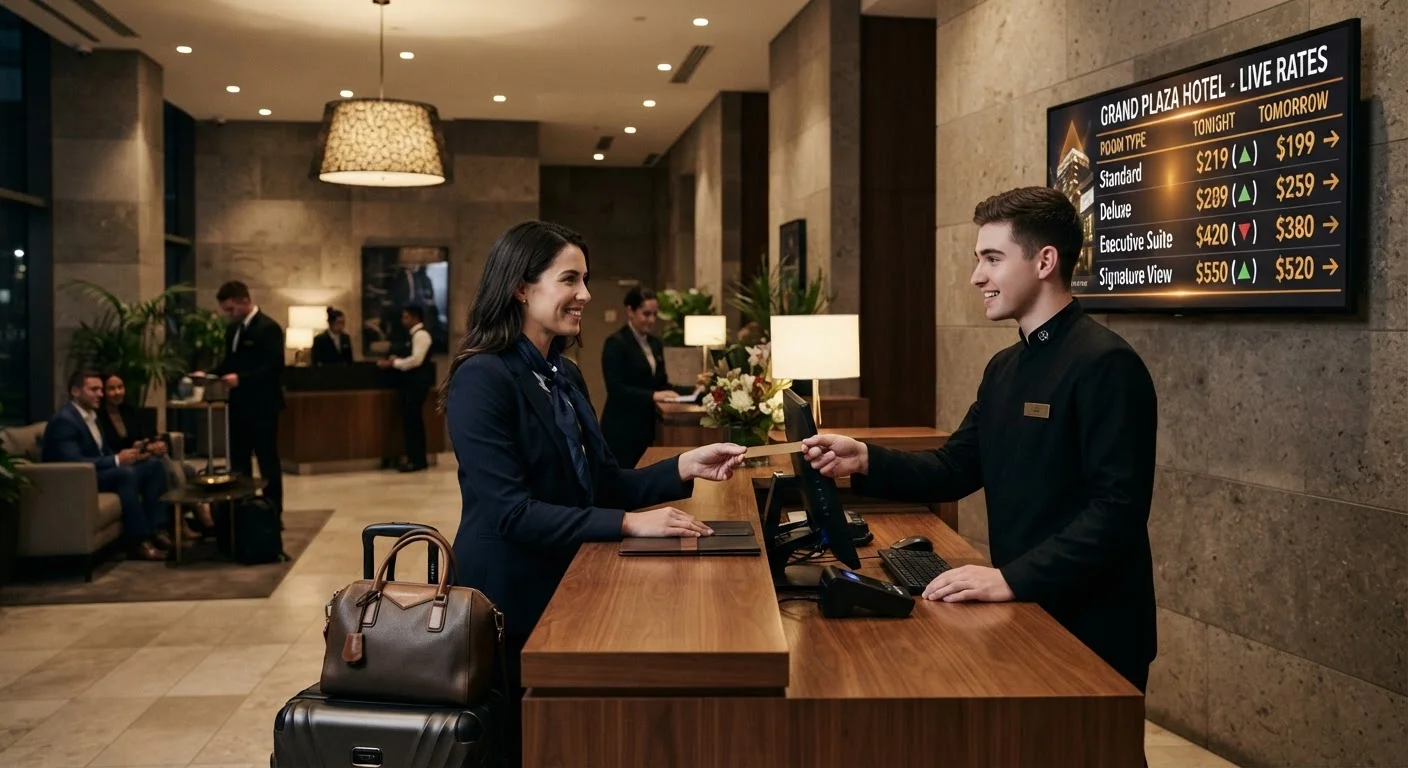
For insight into how hotels price and allocate room inventory in the first place, understanding hotel pricing mechanics can help you anticipate when overselling is most likely to occur — typically during peak demand periods.
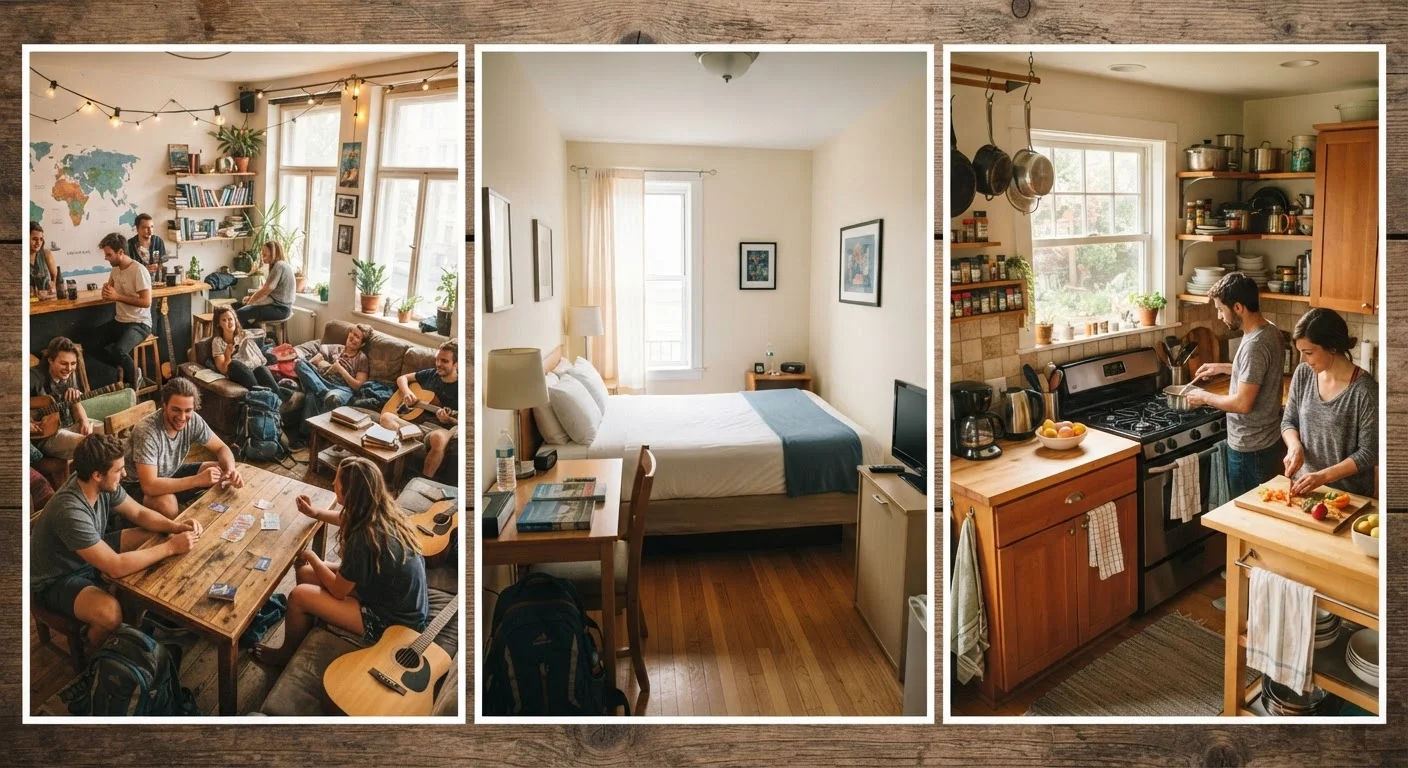
If you're weighing accommodation types altogether, comparing hostels, budget hotels, and vacation rentals outlines how different lodging formats handle room guarantees differently — short-term rentals, for instance, typically lock in a specific unit by default.