The Core Difference: Who Controls Your Reservation
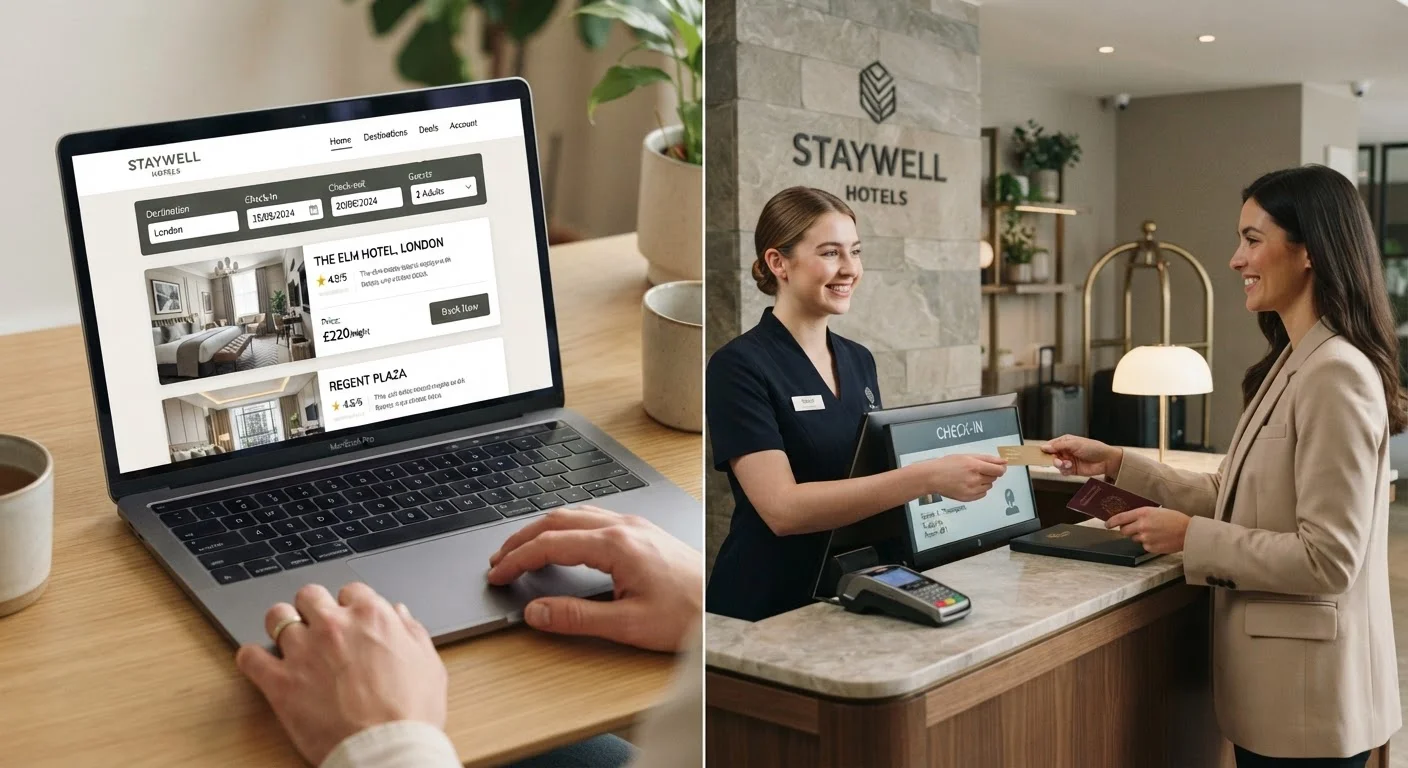
When you book directly with a hotel — through its website, app, or by phone — the reservation lives entirely with the property. The hotel holds your payment details, sets the terms, and is your sole point of contact. When you book through an online travel agency (OTA) such as Expedia, Booking.com, or Hotels.com, that platform becomes the intermediary: it collects your payment, issues the confirmation, and technically owns the booking relationship.
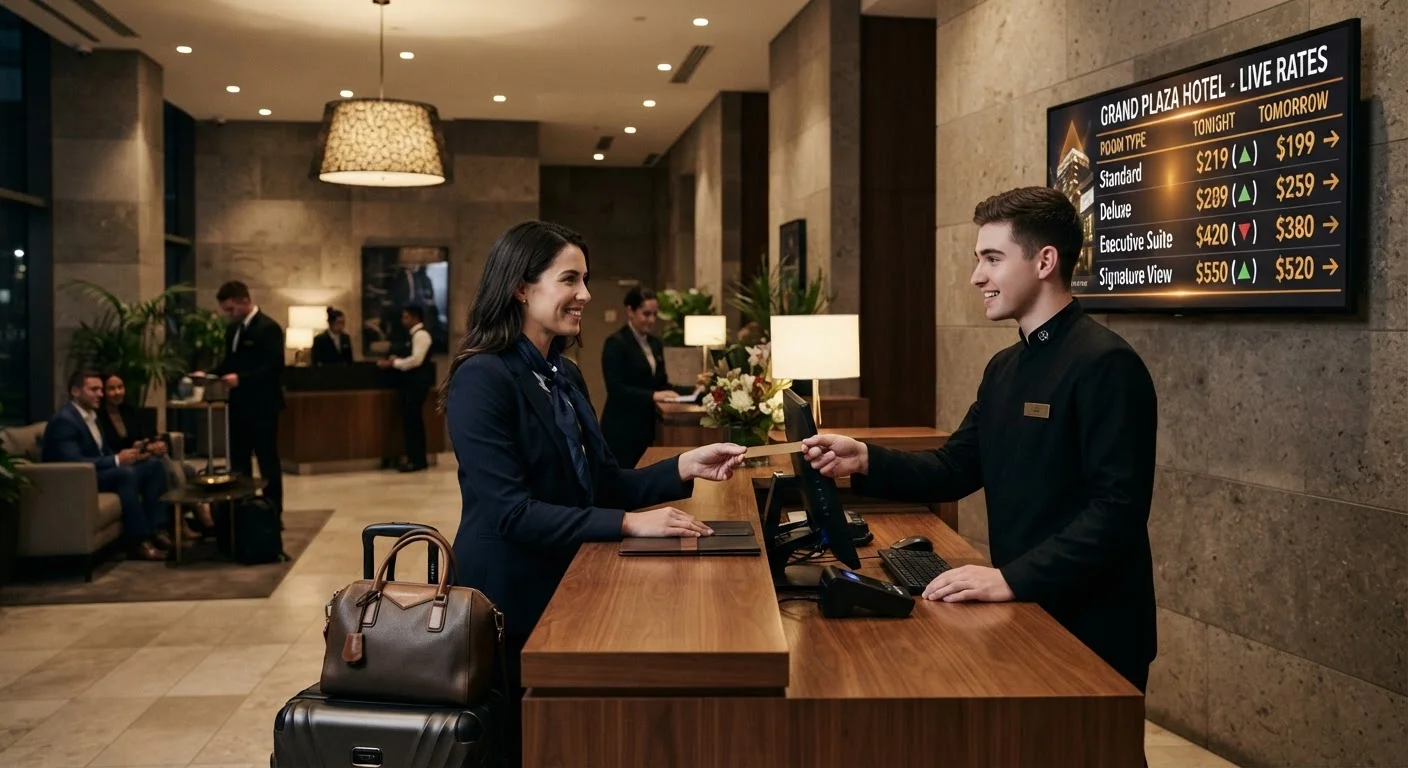
This distinction matters more than most travelers realize. It shapes who you call when something goes wrong, what perks you're entitled to, and sometimes what rate you actually pay once taxes and fees are applied. As the hotel pricing mechanics article explains, rates shift constantly by channel — so the cheapest option at search time isn't always the cheapest at checkout.
Price: Parity Rules, Exceptions, and Hidden Fees
Many hotel chains use rate parity agreements with OTAs, which require the same base room rate to appear across channels. In practice, this means the advertised nightly price is often identical whether you search the hotel's site or a third-party platform. Where the numbers diverge is in resort fees, taxes, and service charges — which OTAs don't always display upfront — and in member-only discounts that hotels reserve exclusively for direct bookers.
Some independent hotels, not bound by parity agreements, may occasionally offer lower rates through an OTA as part of a promotional push. Conversely, hotel loyalty program members frequently see a 5–10% member rate available only through direct channels. Always compare the total cost at checkout rather than the headline nightly rate before deciding.
| Criterion | Booking Direct | Third-Party (OTA) Sites |
|---|---|---|
| Loyalty points earned | Yes, full credit | Typically none |
| Member/exclusive rates | Often available | Rarely available |
| Price comparison ease | Single property only | Dozens at once |
| Cancellation flexibility | Direct with hotel | Via OTA platform |
| Upgrade & amenity priority | Higher likelihood | Lower likelihood |
| Fee transparency | Generally clear | Varies by platform |
| Special request handling | Direct communication | May require OTA relay |
Perks, Loyalty Points, and On-Property Treatment
This is where booking direct has a clear and consistent edge. Hotel loyalty programs — from large chains to boutique collections — award points, elite night credits, and complimentary perks only for stays booked through qualifying direct channels. A stay booked via an OTA typically earns no points at all, regardless of how often you stay with that brand.
Beyond points, hotels routinely prioritize direct-booked guests for room upgrades, early check-in, late checkout, and complimentary amenities. Front desk staff often have more latitude to resolve issues for guests whose reservations are held directly by the property. If room assignments matter to you, the room confirmation guide is worth reading before any booking.
For travelers building toward status or planning repeat visits to the same brand, OTA bookings represent a real long-term cost that doesn't show up in the nightly rate comparison.
Cancellations, Modifications, and Problem Resolution
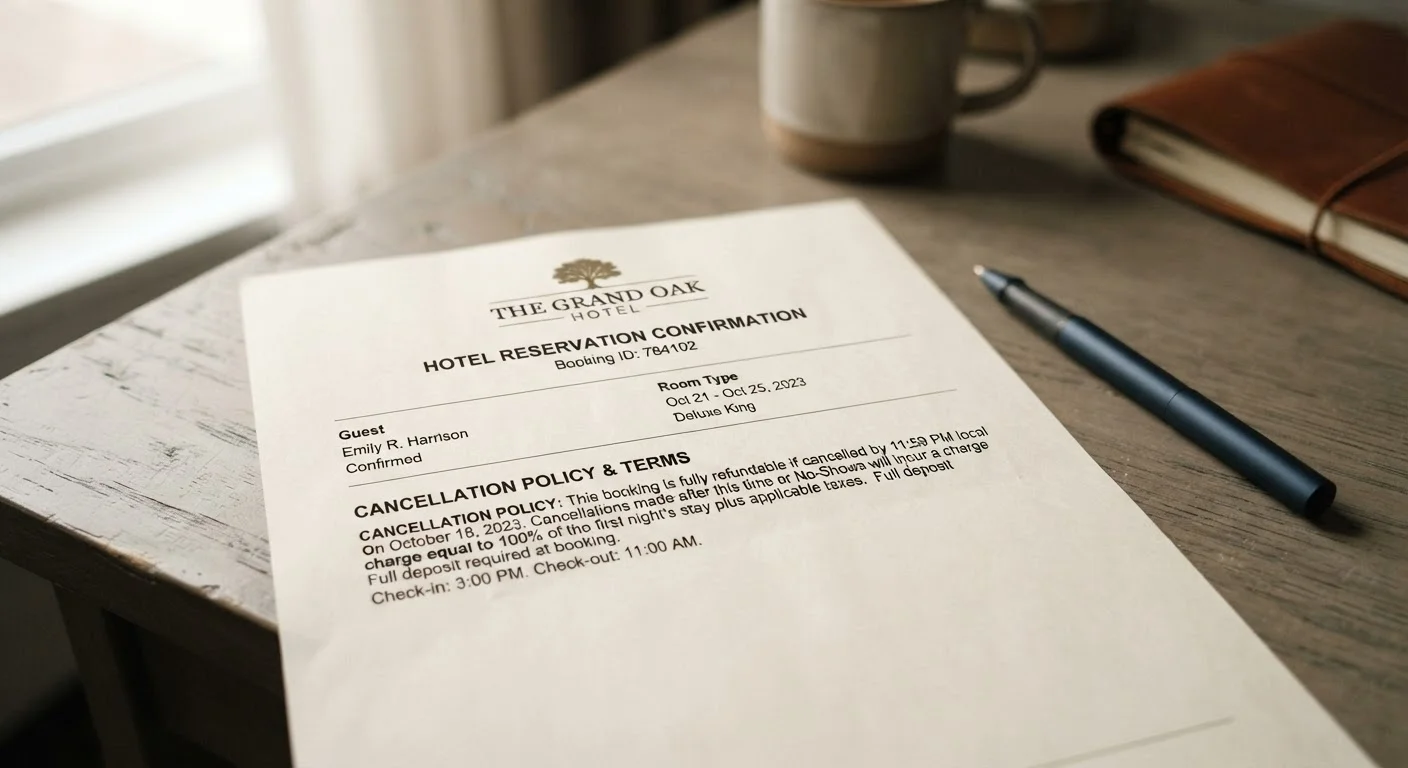
Understanding cancellation terms is essential regardless of where you book — see our hotel cancellation policy breakdown for a full walkthrough. But the booking channel directly affects how smoothly changes and disputes get resolved.
When you book direct and need to modify dates or cancel, one call or message to the hotel can usually handle it. When an OTA is involved, the platform often holds the reservation and must authorize any changes — meaning the hotel may be unable to act without OTA approval, even if staff are willing. During high-demand periods or travel disruptions, this extra layer of communication can add significant friction.
When OTAs Serve a Different Purpose
OTAs are genuinely useful as discovery and research tools — even if you ultimately book elsewhere. Browsing an OTA to shortlist hotels, read consolidated reviews, and compare locations is a reasonable first step. Some travelers use OTAs to research, then book the same property directly once they've made a decision. This approach captures the comparison benefit without sacrificing the direct-booking advantages.
For first-time hotel bookers navigating this for the first time, the First-Time Hotel Booker's Handbook covers the full process from search to checkout in plain language.