The Lock That Lives Inside Your Phone
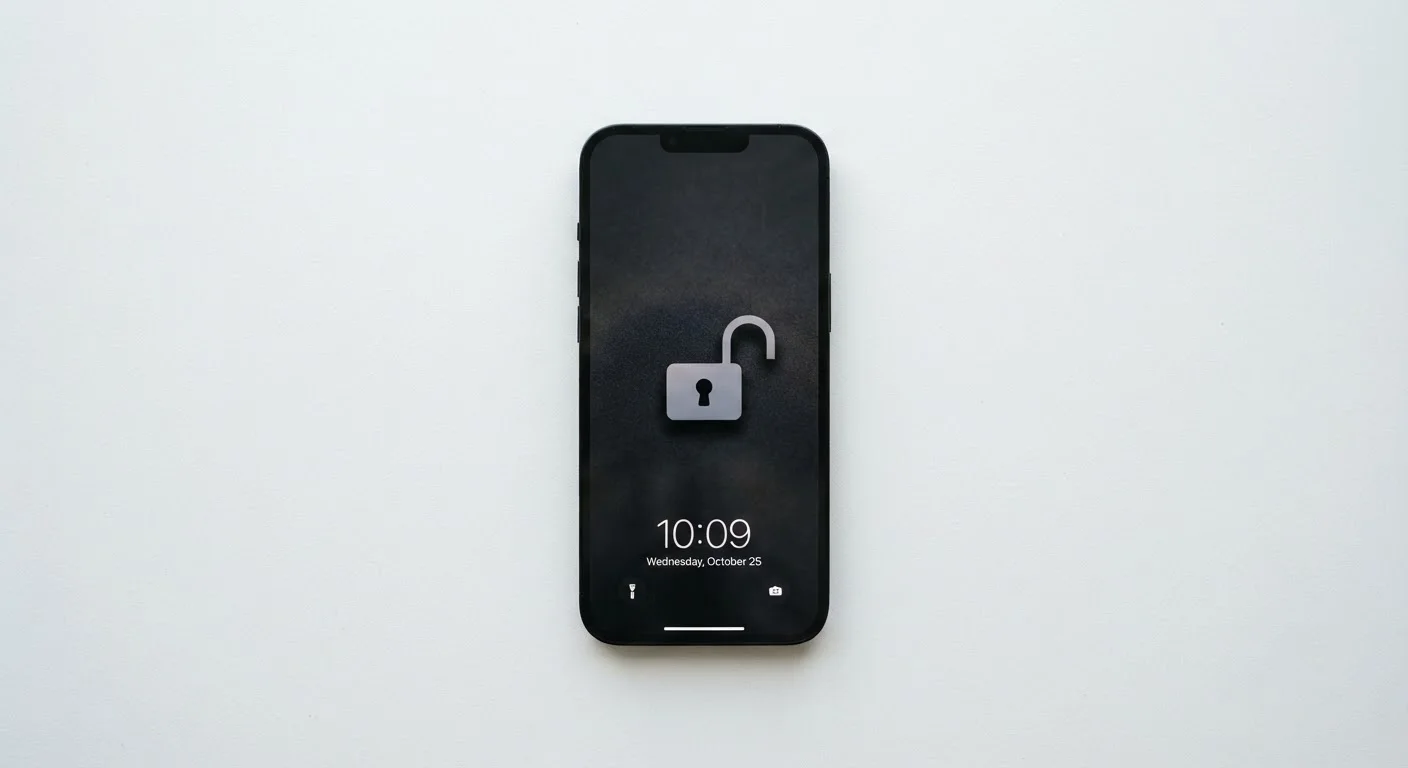
When a carrier sells you a phone — especially through a payment plan or subsidized deal — they typically install a software lock on the device. This lock tells the phone's internal hardware to only communicate with that carrier's network. Insert a rival carrier's SIM card and the phone simply won't activate. That's a locked phone.
An unlocked phone has had that restriction removed, either because it was never applied in the first place (common when buying directly from a manufacturer) or because the carrier released it after certain conditions were met. The physical hardware is identical — it's purely a software distinction.
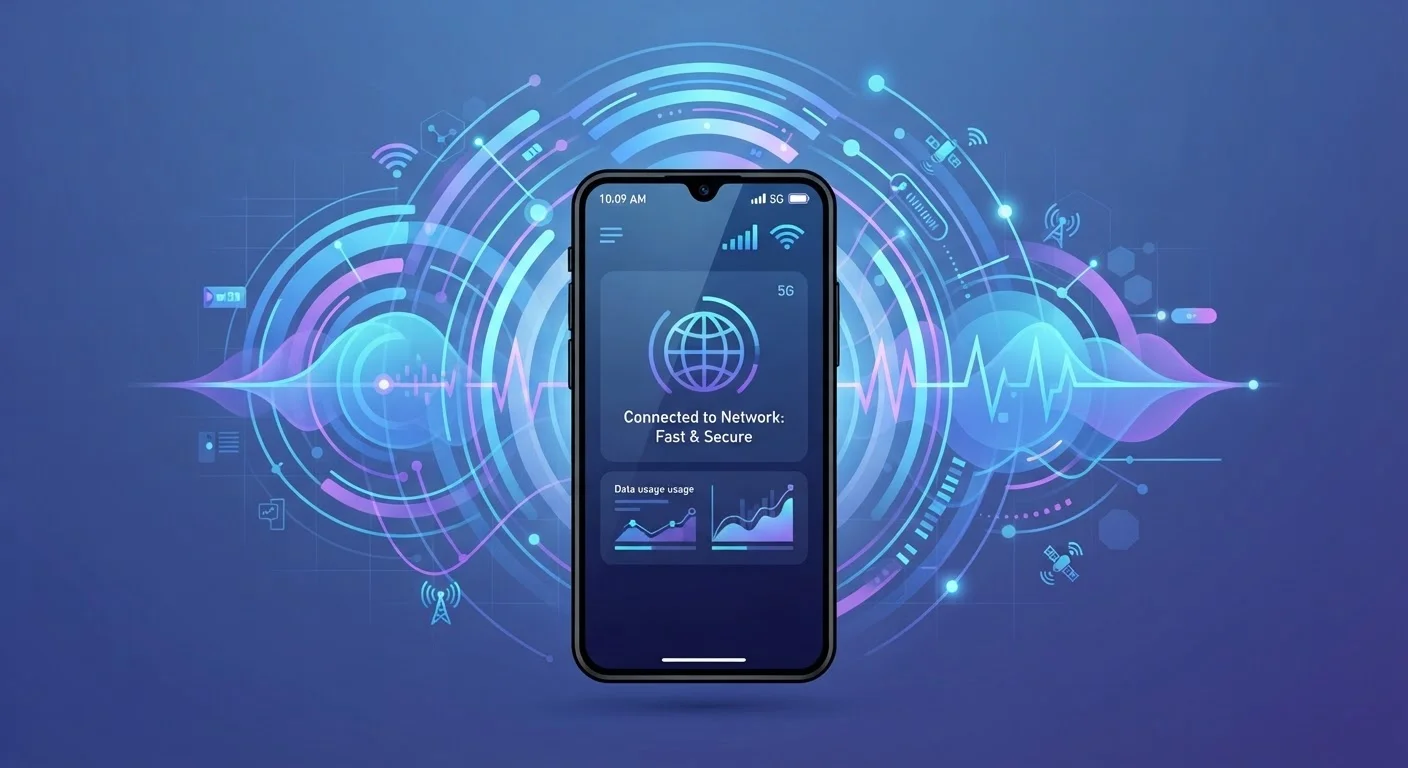
Understanding this is the foundation for every other 'unlocked' question you'll encounter. To understand how your phone actually uses that freedom to connect, see our guide on how 5G, LTE, and Wi-Fi calling work.
Why Carriers Lock Phones in the First Place
Locking isn't arbitrary. When a carrier offers you a phone for a low upfront cost through a monthly installment plan, they're essentially financing a device that costs several hundred dollars. The lock is their insurance policy — it keeps your phone tied to their network until you've paid it off or fulfilled your contract terms.
Once those conditions are met, most U.S. carriers are required by industry guidelines to unlock the device upon request. The major carriers each publish specific eligibility criteria — typically involving a minimum service period and a fully paid-off device balance. The process is usually straightforward: submit a request online or through customer service, and the unlock is applied remotely.
Request Your Unlock Before You Need It
Don't wait until you're at the airport or mid-carrier-switch to request an unlock. If you've met your carrier's eligibility requirements, submit the unlock request in advance. Processing can take up to 48 hours on some networks, and having an unlocked device ready gives you options without any last-minute scrambling.
Where Unlocked Phones Come From
Unlocked phones reach consumers through two main paths. First, manufacturers sell devices directly — either through their own storefronts or through general retailers — without any carrier involvement. These phones are unlocked from the factory and carry no carrier restrictions or extra software.
Second, a previously locked phone can become unlocked after the carrier releases it. Both scenarios result in a phone that accepts any compatible SIM card, but factory-unlocked devices often have cleaner software since they haven't gone through a carrier's customization process.
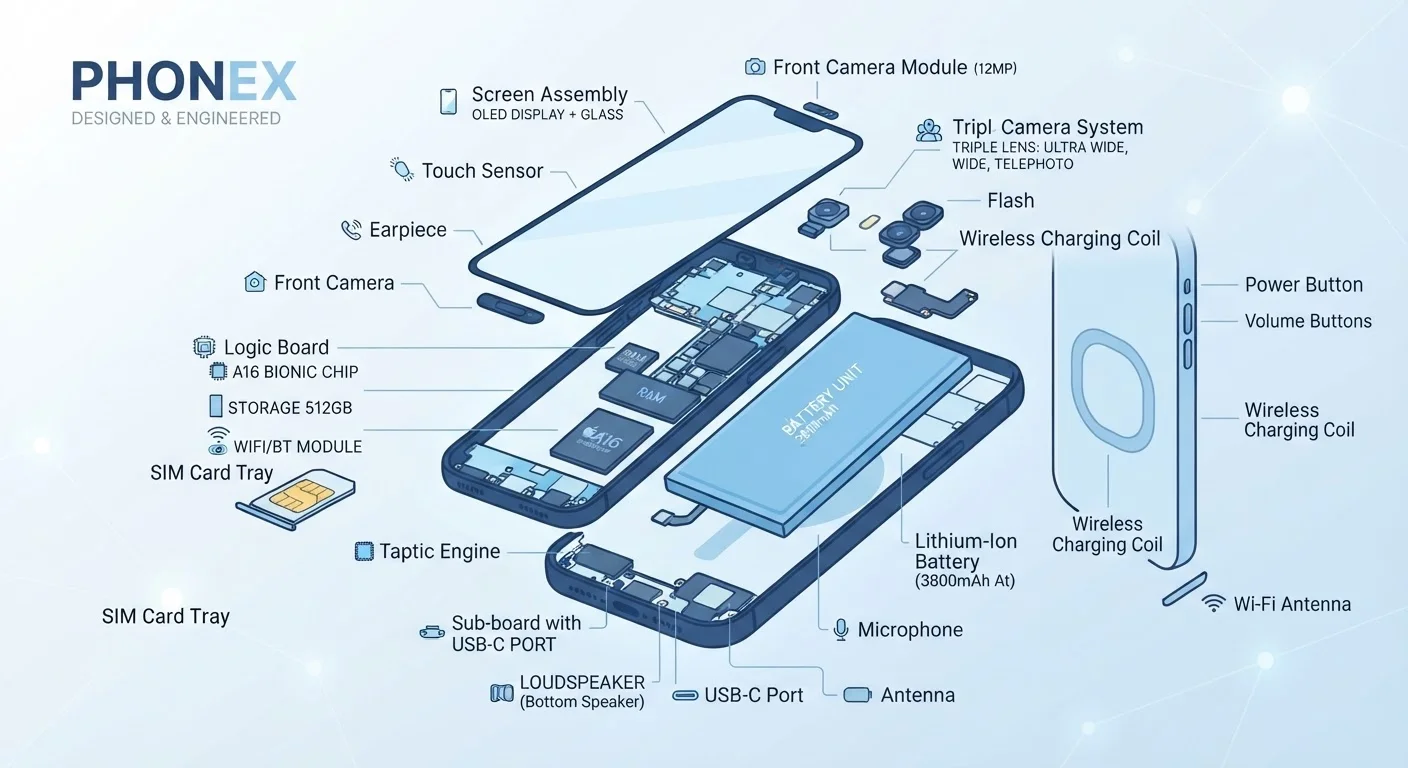
It's worth noting that 'unlocked' in a listing doesn't automatically guarantee universal compatibility. Wireless networks around the world — and even within the U.S. — operate on different radio frequency bands. A phone unlocked for use in Europe, for example, may not support all the frequency bands that a U.S. carrier relies on for its network. Always check band compatibility before assuming a device will work seamlessly on your preferred network. For a deeper look at how those internal components handle this, our plain-English smartphone hardware tour covers the relevant parts in detail.
Practical Implications for Everyday Use
For most people in a stable living situation with a single carrier they're happy with, the locked vs. unlocked distinction matters less day-to-day. But unlocked phones become significantly more valuable in three situations:
- International travel: With an unlocked phone, you can purchase a local SIM card at your destination, avoiding expensive international roaming charges entirely.
- Carrier switching: If you want to move to a different network — for better coverage, pricing, or service — an unlocked phone lets you do that without buying a new device.
- Resale value: Unlocked phones are typically worth more on the secondhand market because they're compatible with a wider pool of potential buyers.
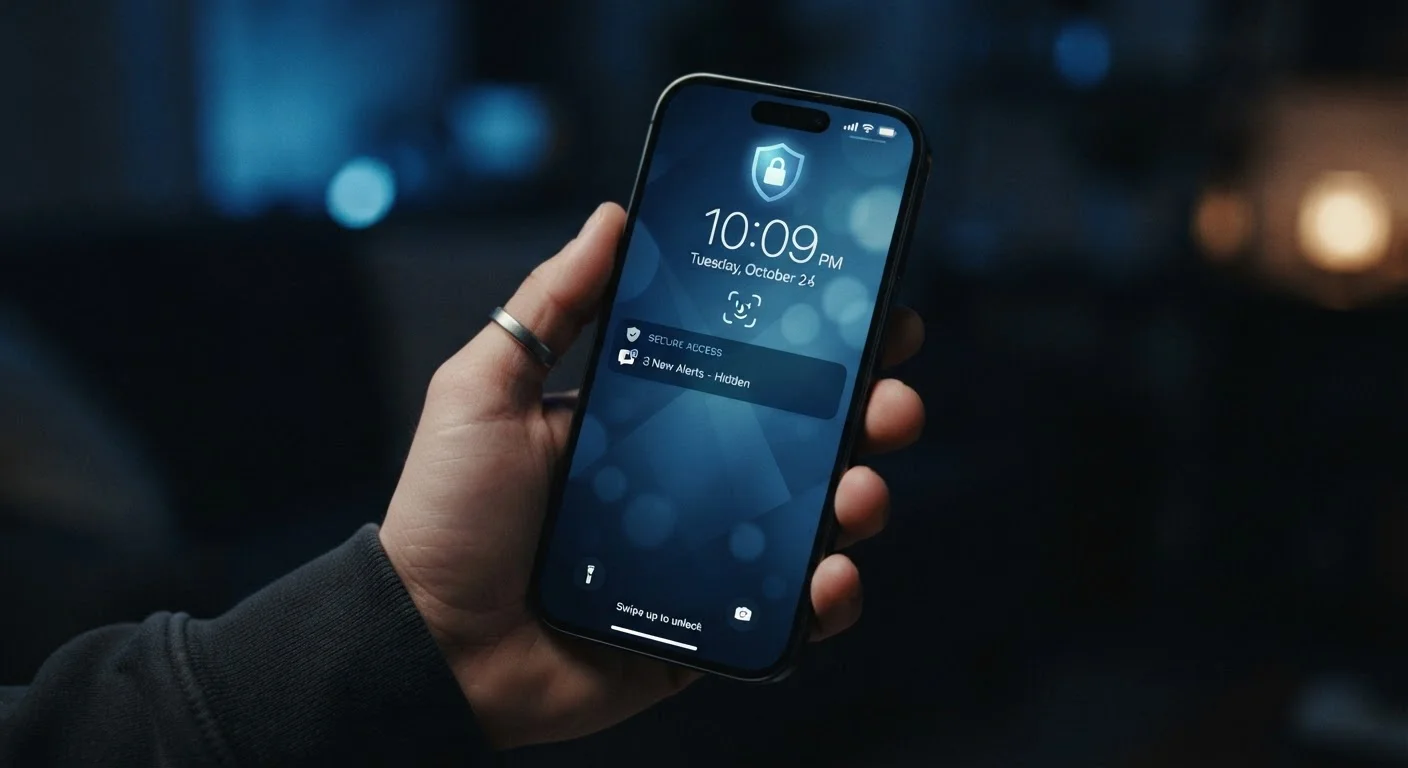
Security-conscious users should also know that unlocking through official carrier channels has no impact on your phone's built-in security features. Those are entirely separate from carrier lock status. For a full breakdown of what protects your data, see our guide on phone security settings explained.