How Envelope Budgeting Works
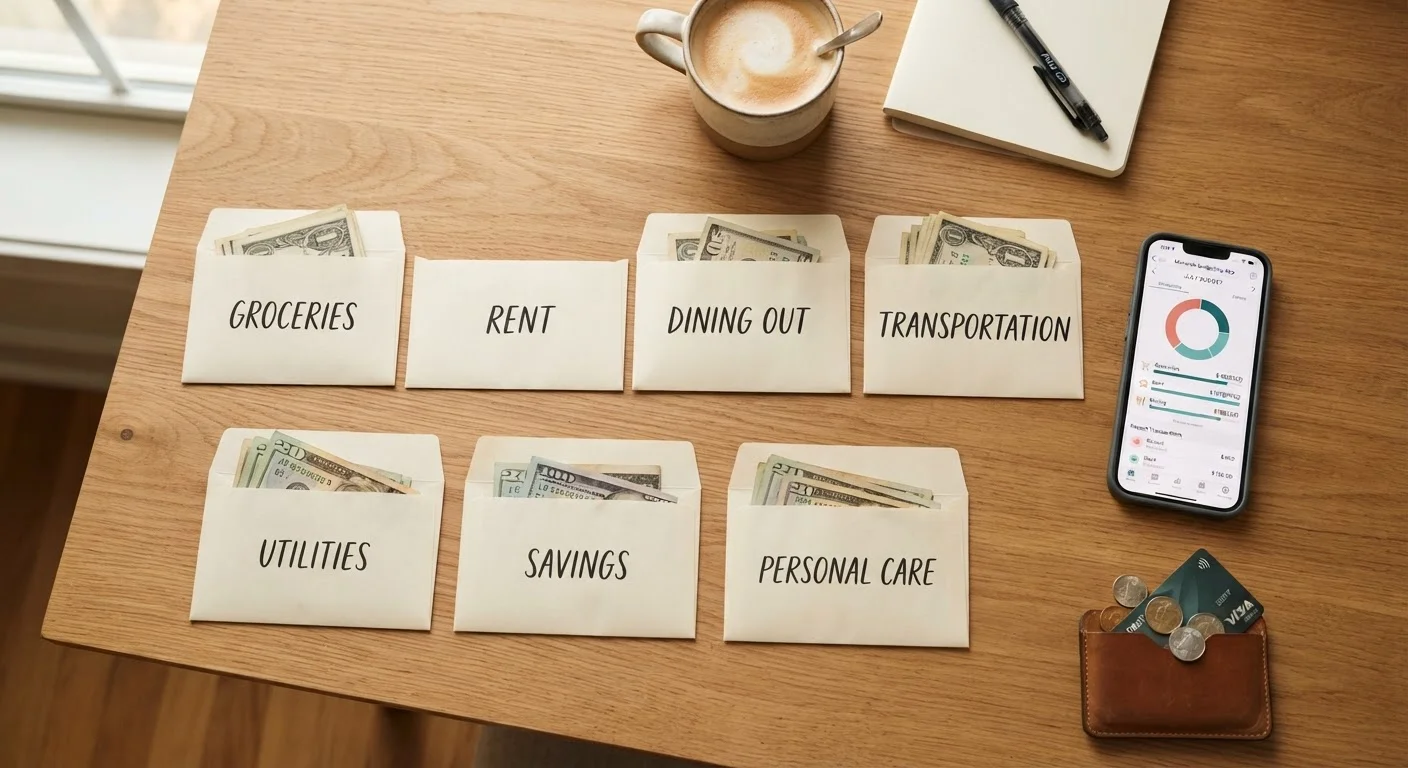
The premise is straightforward: at the start of each budget period — typically a month — you allocate a set amount of money to each spending category. In the traditional version, you withdraw cash from your bank account and physically place it into labeled envelopes: one for groceries, one for dining out, one for gas, and so on. When the cash in an envelope runs out, spending in that category is done until next month.
This hard stop is the system's defining feature. Unlike reviewing a credit card statement after the fact, the empty envelope provides instant, unavoidable feedback. There is no ambiguity: the money is either there or it isn't.
The categories you create should reflect your actual spending life, not an idealized version of it. Envelope budgeting is especially effective for variable expenses — spending that fluctuates month to month, like groceries, entertainment, and clothing. Fixed expenses such as rent or a car payment don't benefit as much from the envelope approach because those amounts don't change.
Start With Just Three Envelopes
If the full system feels overwhelming, begin with only your three most problematic spending categories — commonly groceries, dining out, and entertainment. Once managing three envelopes feels natural, add more. Starting small dramatically improves the odds that the habit sticks beyond the first month.
This system complements a broader budgeting framework. For a comprehensive view of how envelope budgeting fits into a full personal finance plan, see our complete budgeting framework.
Why It Still Works Without Cash
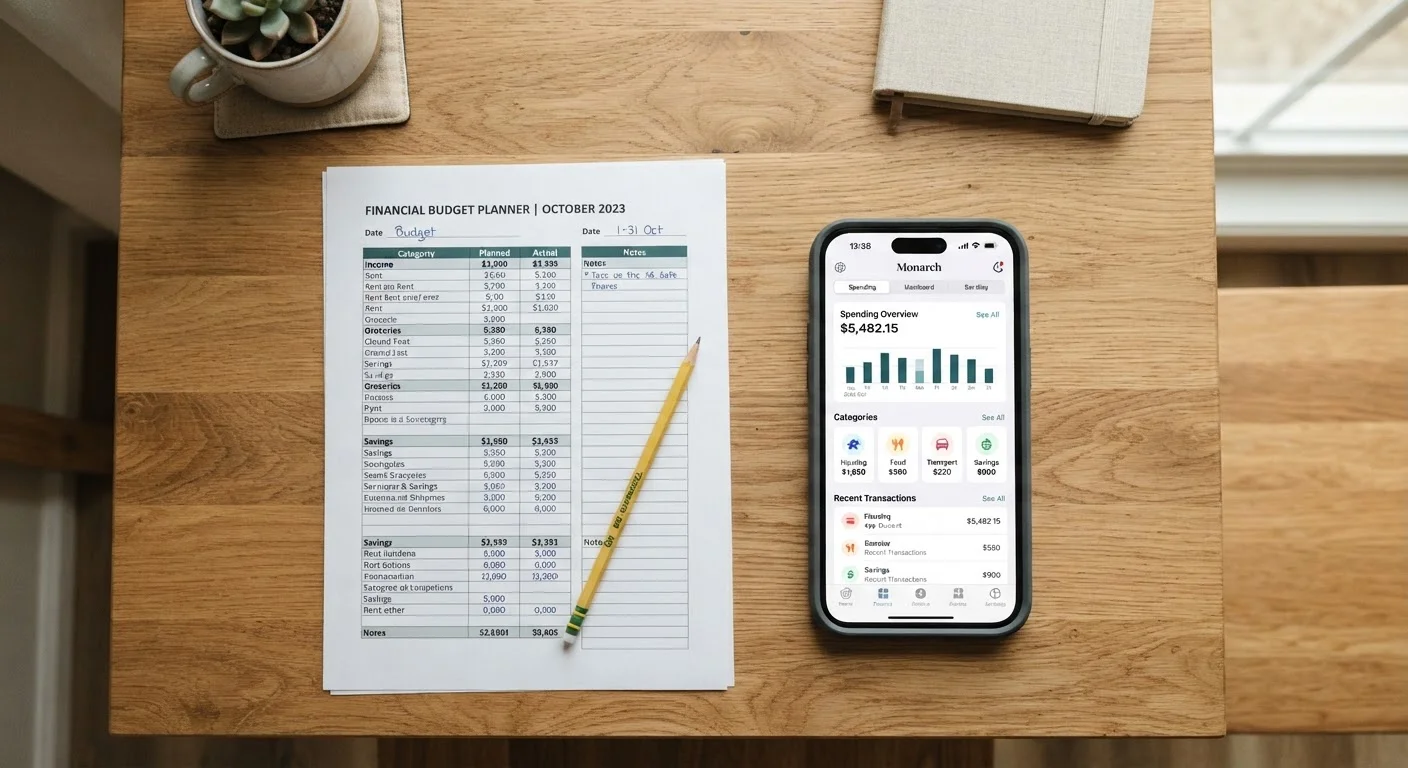
Most Americans today rarely carry cash — and that's fine. The envelope method's psychology, not the paper, is what drives better spending decisions. Digital budgeting tools replicate the structure by assigning a spending ceiling to each virtual category and deducting from it in real time as transactions post.
The key discipline remains the same: you fund each category at the start of the month, and you treat each digital category as a closed pool of money. When your dining-out category hits zero, you cook at home. When your entertainment fund is spent, you find free alternatives. The behavior change the system targets — pausing before spending to ask "do I have room in this category?" — works whether the limit is written on a paper envelope or displayed on a screen.
If you're evaluating how much manual effort you want to put in versus relying on automation, the comparison in manual vs. automated budget tracking can help you decide which approach fits your lifestyle.
1 in 3
Americans with no monthly budget
According to a survey by the National Foundation for Credit Counseling, roughly one-third of U.S. adults do not follow any formal budgeting system.
~$1,500
Average monthly discretionary spending per U.S. household
The U.S. Bureau of Labor Statistics Consumer Expenditure Survey consistently shows significant household spending on food away from home, entertainment, and apparel — the categories envelope budgeting most directly addresses.
74%
People who feel anxious about finances
A 2023 American Psychological Association Stress in America report found that money remains one of the top sources of stress for U.S. adults, suggesting that spending clarity tools like envelope budgeting address a genuine widespread need.
Envelope Budgeting vs. Other Methods
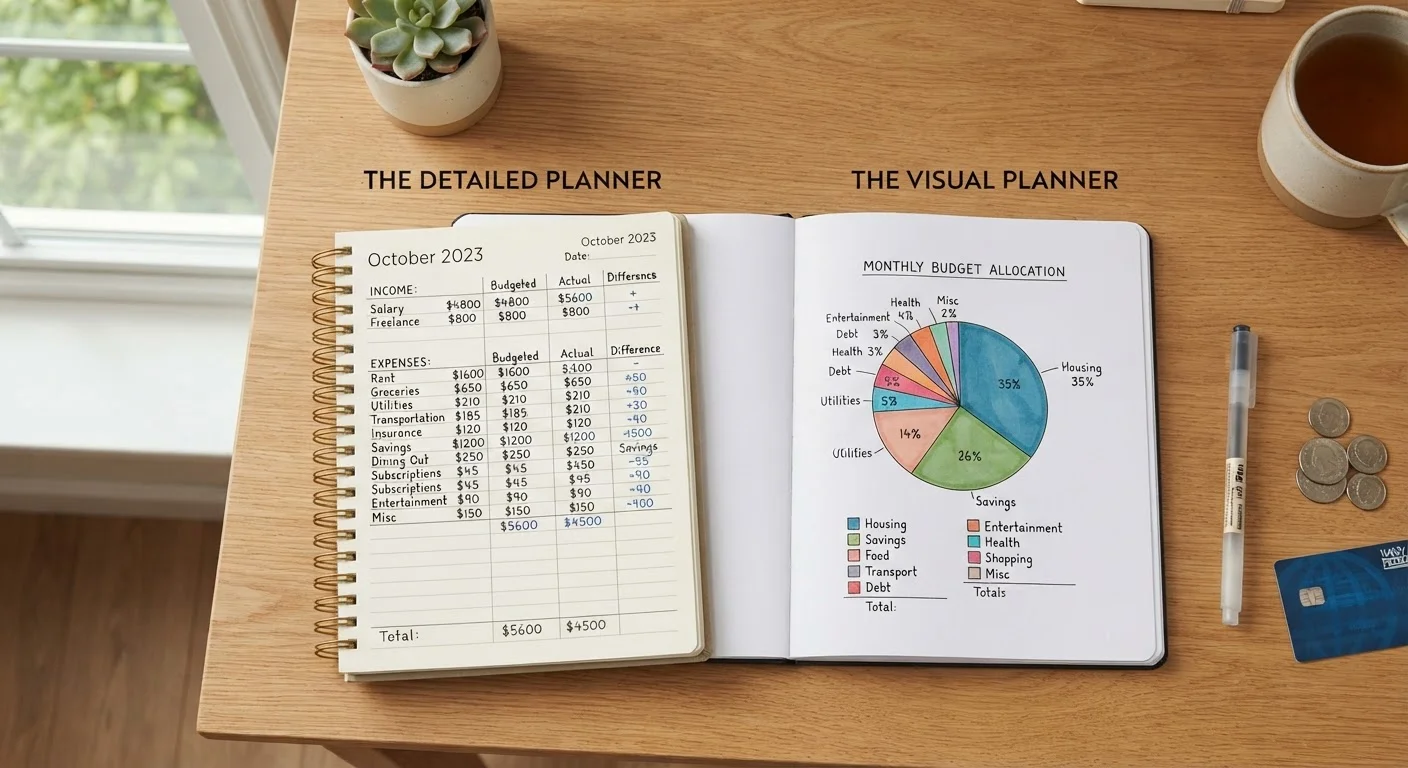
Envelope budgeting is one of several structured approaches to managing personal finances. It shares significant overlap with zero-based budgeting — both insist that every dollar is assigned a role before it gets spent. The practical difference is that zero-based budgeting is a planning philosophy, while envelope budgeting is an execution mechanism. You can use envelopes to implement a zero-based plan.
Compared to the 50/30/20 rule, which divides income into broad buckets (needs, wants, and savings), envelope budgeting is more granular. It trades simplicity for precision. For a side-by-side look at these approaches, zero-based budgeting vs. the 50/30/20 rule breaks down which method suits different financial situations.
One common misconception is that budgeting systems like this one are only for people struggling with debt or low income. In reality, the envelope method is a tool for intentionality — it works for any income level where discretionary spending is harder to control than it should be. See budgeting myths that keep people from starting for more on this.
Making Envelope Budgeting Last
The most common failure point isn't the first month — it's month three, when the novelty fades and old habits try to reassert themselves. A few practices help the system stick:
- Review and adjust categories monthly. If your grocery envelope is always empty by the 20th, your allocation may be unrealistic rather than your spending being excessive.
- Build a small buffer. A modest miscellaneous envelope — perhaps $30 to $50 — absorbs small surprises without forcing you to raid other categories.
- Connect envelopes to a savings goal. Knowing that money left in your dining envelope at month-end moves directly to an emergency fund creates positive reinforcement. Building savings habits can reinforce why that matters.
For advice on creating a budget flexible enough to withstand real-life surprises, building a budget that survives real life offers tested strategies for staying on track when circumstances change.
This article is for general informational and educational purposes only and does not constitute personalized financial advice. For guidance specific to your financial situation, consult a qualified financial professional.