Why Even Well-Intentioned Trivia Nights Go Wrong
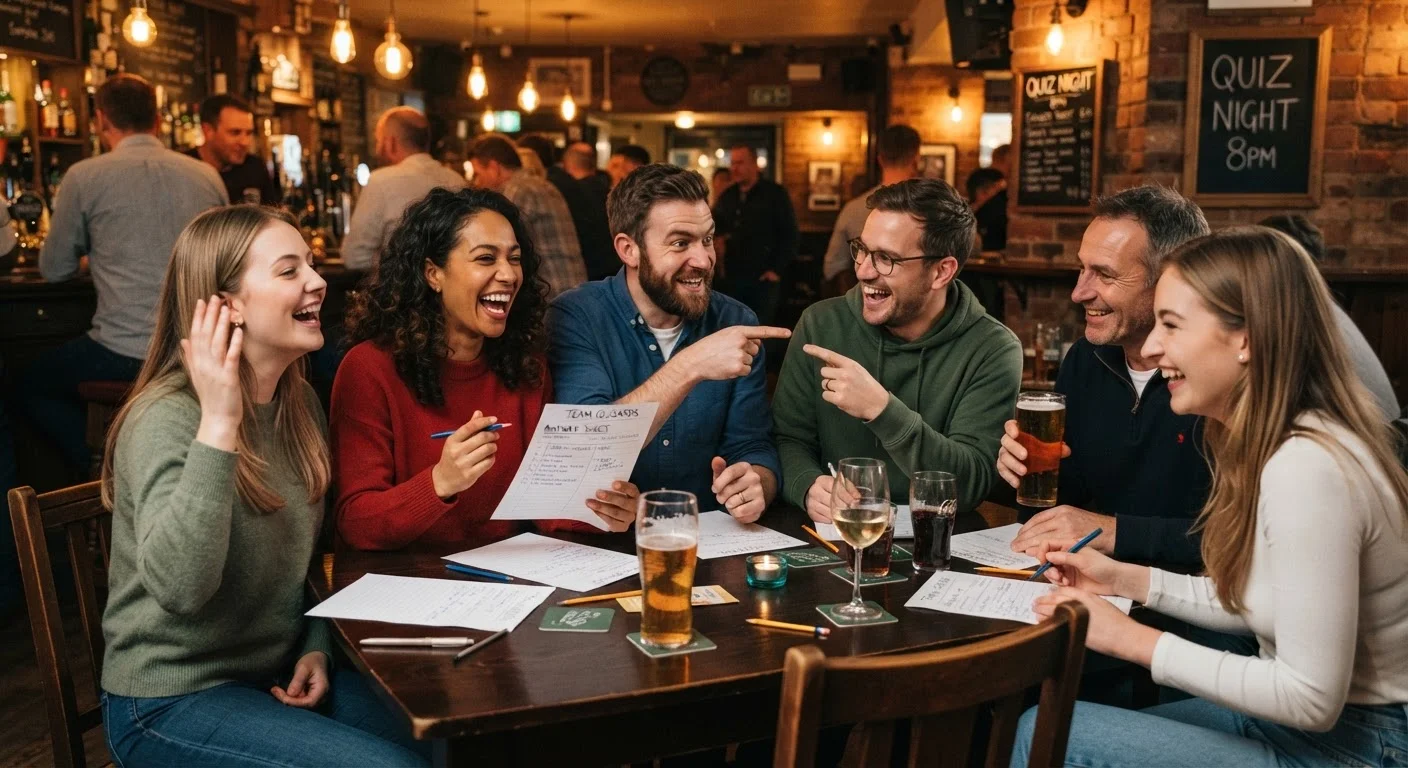
Trivia night sounds simple: read questions, teams answer, someone wins. But anyone who has sat through a painful evening of disputed answers, lopsided categories, or a host who reads at the speed of an auctioneer knows the reality is more complicated. The good news? Most trivia night failures trace back to a small set of predictable mistakes — and every single one is fixable.
Whether you're hosting at home, organizing a bar event, or running a game night for friends, understanding these pitfalls puts you miles ahead. For broader game night dynamics, check out the unwritten rules of game night that actually make it more fun — many of those principles apply directly to trivia too.
Loading the quiz with questions from only one or two categories, such as sports and pop culture, while ignoring science, history, or geography.
Why it happens: Hosts naturally default to topics they know well, assuming everyone shares the same interests or knowledge base.
Using ambiguous, double-meaning, or outdated questions that generate legitimate disputes at the answer reveal.
Why it happens: Questions are often sourced quickly from the internet without fact-checking, and subtle wording problems only surface when players push back.
Letting rounds drag on too long or rushing through answers so fast that teams barely have time to discuss.
Why it happens: Hosts either underestimate how much discussion a question generates, or they get nervous about dead air and speed up.
Writing questions pitched exclusively at experts, leaving casual players with nothing to contribute all night.
Why it happens: Passionate trivia hosts often misjudge the general knowledge level of the room, writing for themselves rather than a mixed audience.
Failing to explain scoring rules, tiebreaker procedures, or answer submission formats before the game starts.
Why it happens: It feels obvious to the host, so the briefing gets skipped in the excitement of getting started.
Turning These Fixes Into a Night People Ask to Repeat
The most memorable trivia nights share a few things: questions people feel smart for getting right and humbled by missing, a pace that feels energetic without being rushed, and a host who keeps the atmosphere light even when things get competitive. Once you've ironed out the structural mistakes above, the personality of the evening is yours to shape.
~70%
Adults who enjoy pub-style trivia events
Survey data from leisure and entertainment researchers consistently finds trivia ranks among the most popular group social activities for adults in the US.
5–7
Ideal number of distinct question categories per night
Experienced trivia hosts and quiz design guides widely recommend this range to ensure broad audience engagement across a typical mixed-knowledge group.
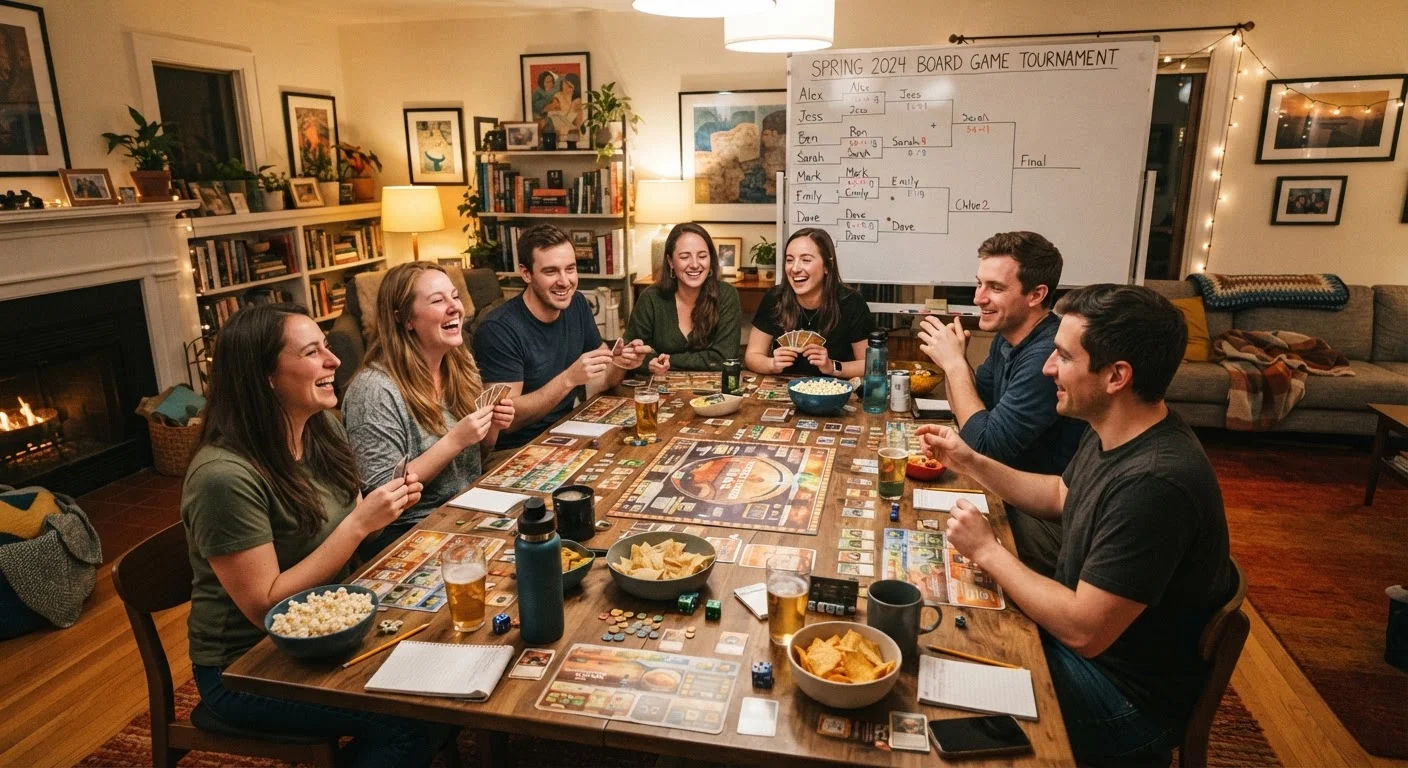
Consider theming rounds around your group's collective interests — a round of classic rock lyrics one week, local history the next. Rotating who picks a category also builds investment. If you're ambitious enough to move toward a more formal structure, hosting a board game tournament at home offers a solid framework for scheduling, scoring, and preparation that adapts well to competitive trivia formats.
The goal isn't perfection — it's momentum. Keep questions moving, celebrate good answers, laugh off the curveballs, and your trivia night will be something people clear their calendars for.