Why Game Night Etiquette Actually Matters
Game night has a reputation for being low-stakes fun — and it absolutely can be. But anyone who's sat through a rules dispute, a runaway winner who won't stop gloating, or a two-hour game that nobody wanted to play knows that things can go sideways fast. The difference between a memorable evening and an awkward one usually isn't the game itself. It's the unspoken expectations people bring to the table.
The good news: a few simple, shared habits can smooth over almost any friction point before it starts. These aren't rigid rules — they're the kind of social agreements that make everyone feel included, respected, and genuinely glad they showed up.
Quick Wins You Can Use Tonight
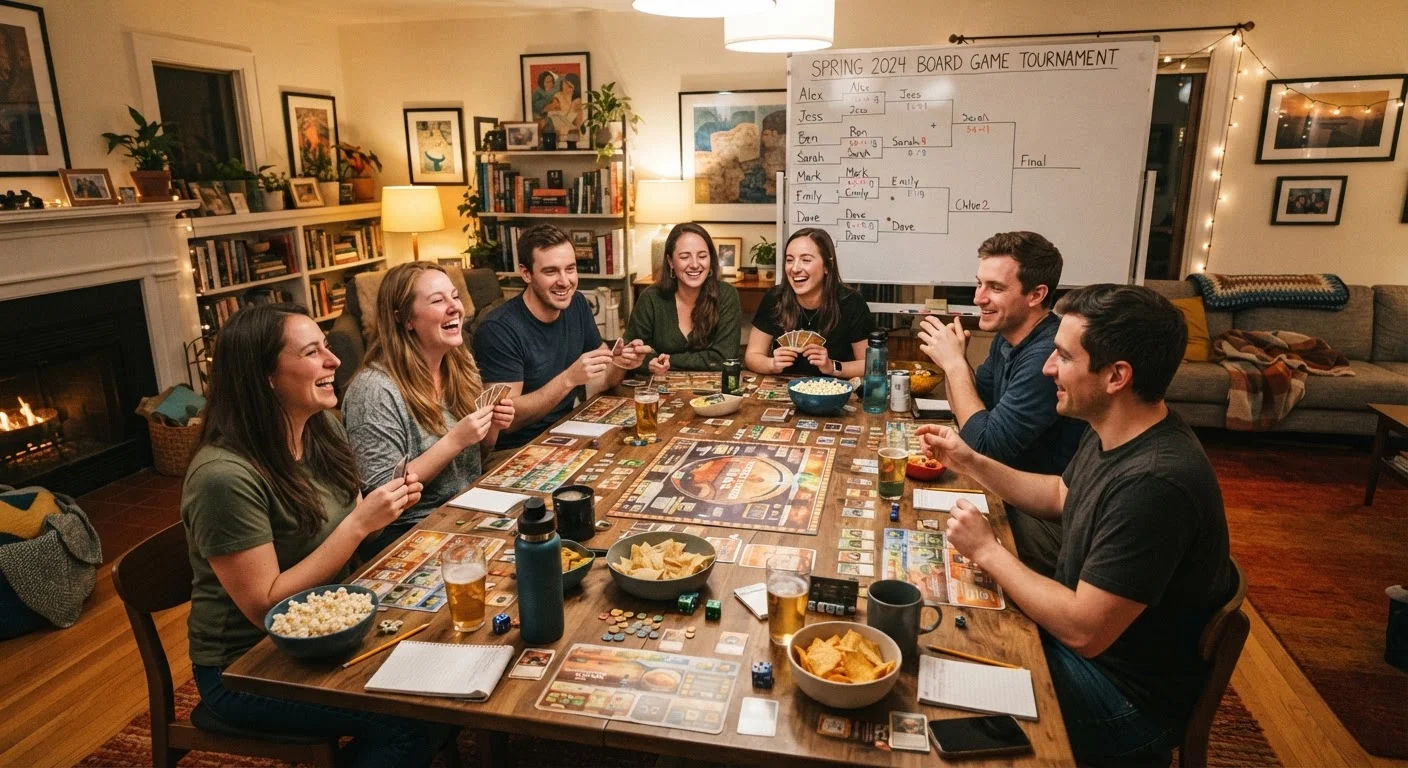
Whether you're hosting for the first time or trying to refresh a stale routine, these small actions make an immediate difference. If you're scaling up to something more competitive, our guide on hosting a board game tournament at home covers format and scoring in depth.
Reading the Room — and the Rulebook
One of the most overlooked game night skills is choosing the right game for the right moment. A dense strategy game might be perfect for a Saturday afternoon crowd of enthusiasts but a disaster with a group of casual players after a long work week. Pay attention to energy levels, group size, and familiarity before committing to a title.
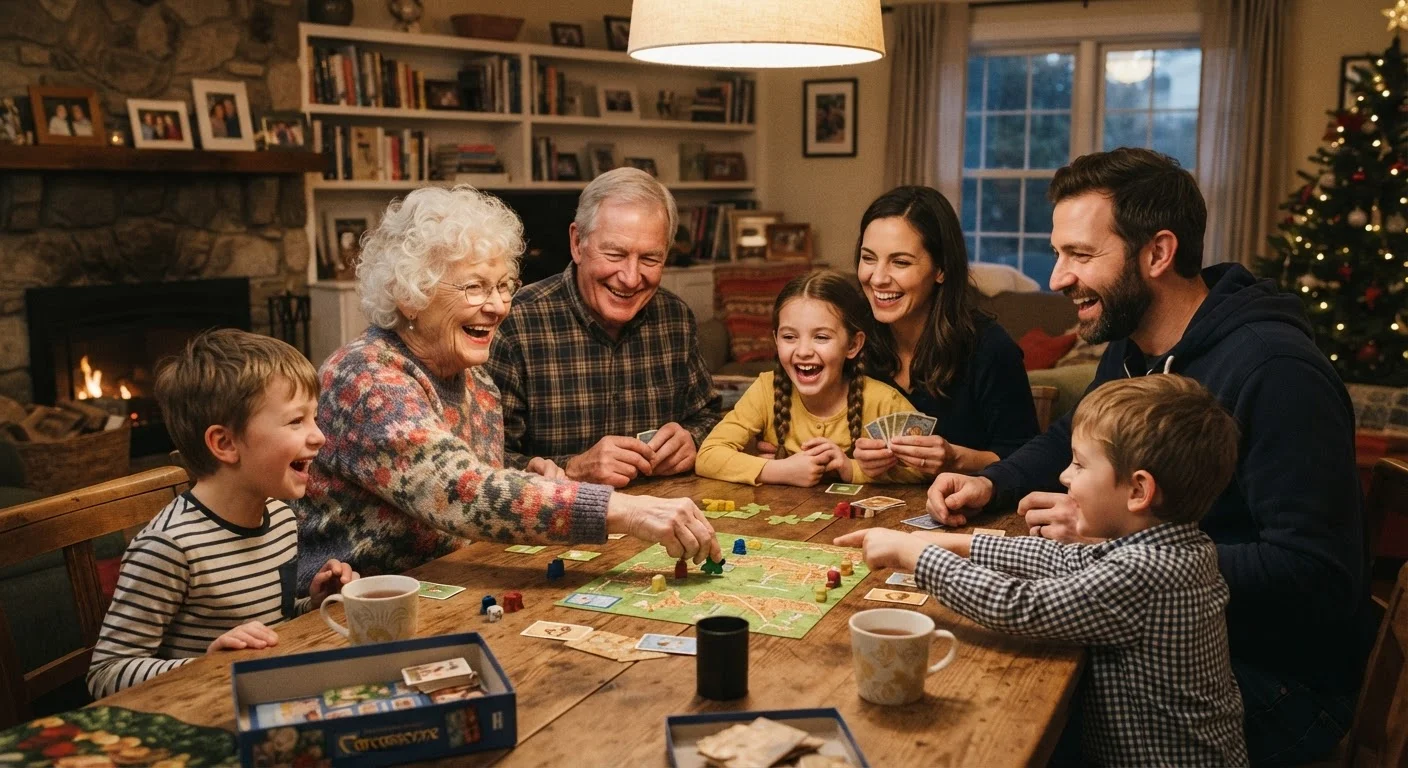
If your headcount keeps shifting, party games that scale are worth having in your back pocket. And when generations mix at the table, thoughtful game selection goes a long way — our piece on playing games with mixed ages has practical strategies for keeping everyone engaged.
For groups tired of competition altogether, cooperative board games flip the script entirely — everyone works together, which takes ego out of the equation and often makes for a warmer atmosphere.
Keeping the Good Times Rolling
Even a well-chosen game can drag if the pacing falls apart. Slow turns, rules debates, and phone distractions are the three most common momentum killers. A gentle time-limit for turns — agreed to upfront, not imposed mid-game — keeps energy moving. For trivia formats specifically, unbalanced categories and vague questions are notorious culprits; why your trivia night keeps falling flat breaks down what typically goes wrong and how to fix it.
Ultimately, the best game nights are the ones where people leave wanting to do it again. That happens when everyone feels like they were treated fairly, had a real chance to participate, and — win or lose — had a genuinely good time. A little intentionality goes a long way.