How Cooperative Games Actually Work
In a traditional board game, players compete to outperform one another — accumulating the most points, capturing territory, or crossing the finish line first. Cooperative games flip that structure entirely. Instead, the game itself acts as the opponent, presenting escalating challenges, threats, or puzzles that players must solve together before a shared loss condition is triggered.
Common mechanics include a countdown clock (real or symbolic), a deck of event cards that introduce new crises each round, or a spreading threat like disease, fire, or enemy forces. Players take turns performing actions from their individual roles or hands, but those actions are always aimed at a shared board state. If the group collectively meets the win condition — curing all diseases, escaping a dungeon, defusing a bomb — everyone wins. If the timer runs out or a crisis overwhelms the board, everyone loses together.
Understanding game-specific vocabulary helps a lot here. If you're new to the hobby, the board game glossary is a useful starting point for terms like 'action economy,' 'threat track,' and 'scenario.'
Start With a Shorter, Simpler Co-op Game
If your group is new to cooperative gaming, look for titles with a play time of 45 minutes or less and a straightforward rulebook. Shorter games let everyone learn the format and the social rhythms of co-op play before committing to a longer, more complex experience. Many introductory co-op games are specifically designed to teach the format gently.
Why the Format Appeals to Such a Wide Range of Players
Cooperative games remove the interpersonal sting of direct competition. Nobody gets eliminated, nobody gets their pieces captured, and nobody has to feel like a loser in the social sense — when the game wins, it's a shared experience rather than a personal defeat. This quality makes co-op titles particularly effective in mixed-experience groups.
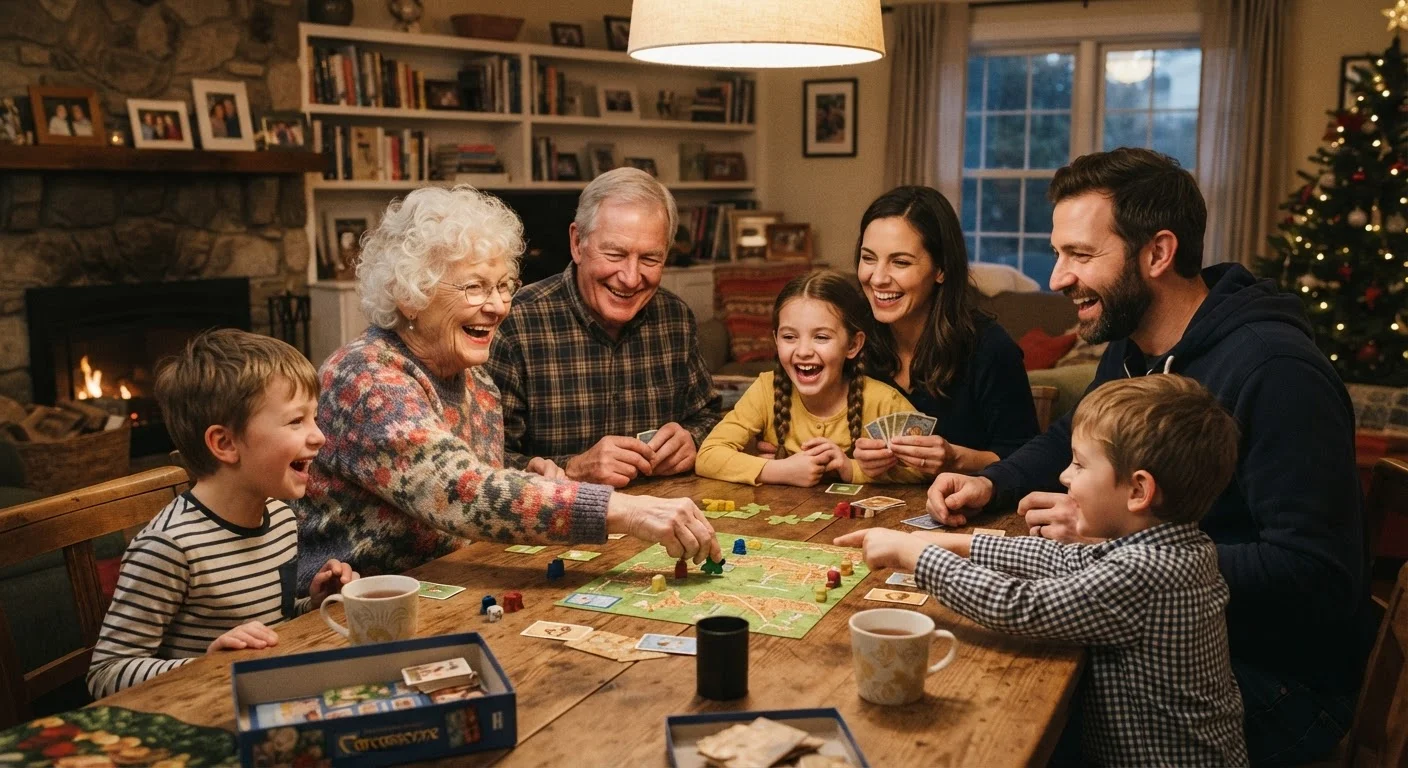
A seasoned gamer and a complete newcomer can sit at the same table without the veteran having a crushing advantage over the newcomer. The experienced player can offer guidance freely — in fact, it helps the whole team. That dynamic is one reason cooperative games are often recommended for mixed-age game nights, from grandparents to grandchildren.
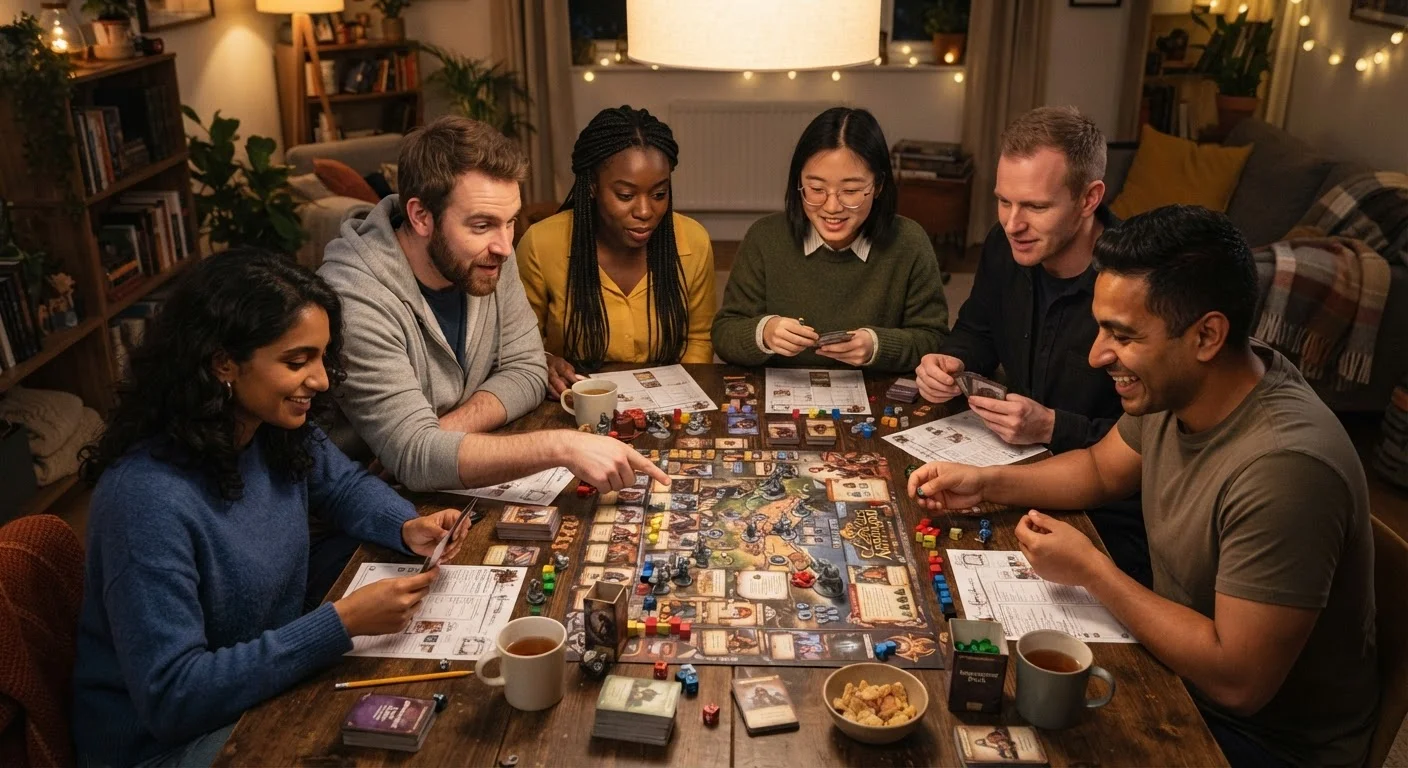
The format also suits players who find zero-sum competition stressful or unpleasant. For families, friend groups with varying skill levels, or anyone who just wants a more social experience, the cooperative model creates a naturally inclusive table.
~40%
Share of hobby gamers who prefer cooperative formats
Industry surveys conducted by board game market research groups have consistently found that a significant portion of active tabletop gamers cite cooperative play as their preferred format.
2–6
Typical player count range for co-op games
Most cooperative games are designed to accommodate two to six players, with many also offering official solo rules — reflecting the format's broad accessibility goals.
The Alpha Player Problem — and How to Handle It
Cooperative games have one well-known design challenge: the alpha player problem. When one player has strong opinions and strategic instincts, they can inadvertently — or deliberately — start directing everyone else's turns. The group technically wins or loses together, but some players end up feeling like they're watching someone else play.
There are practical ways to keep this in check. Many groups adopt a rule that players announce their intentions rather than instructions — saying 'I'm thinking about moving to the north sector, what does everyone think?' instead of 'You should go to the north sector.' Some games are also designed with hidden information, where each player holds cards or information only they can see, making it structurally impossible for one person to micromanage everyone.
For more on the social dynamics that shape game nights, the unwritten rules of game night covers the broader culture of keeping everyone engaged and happy at the table.
Solo Play, Digital Versions, and Where Co-op Fits in the Hobby
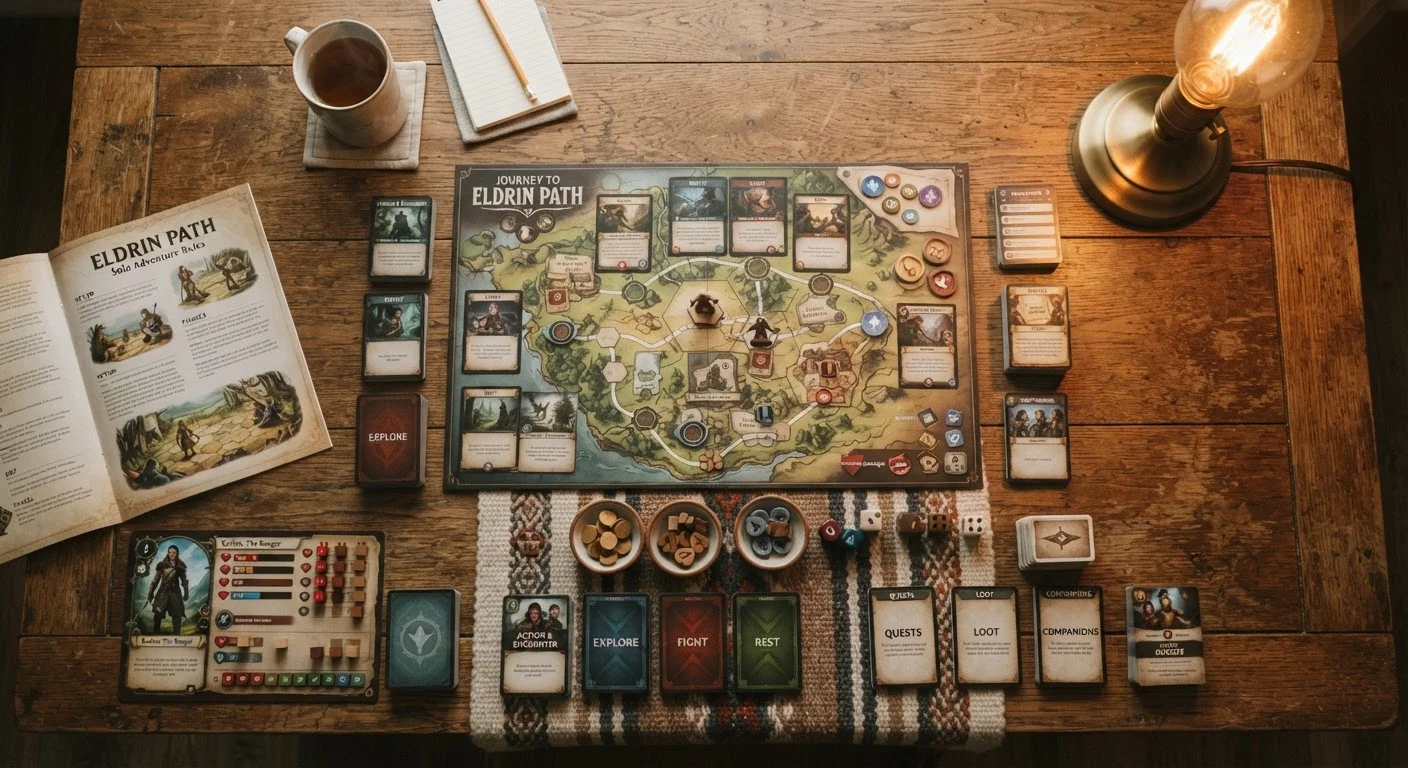
One underappreciated feature of many cooperative games is that they scale naturally to solo play. Since all players are controlling coordinated roles against a game system, a single person can manage multiple roles alone — and many publishers explicitly design and balance for this. If solo gaming interests you, solo board gaming has grown into a vibrant hobby in its own right.
Digital adaptations have also made co-op games more accessible, handling the bookkeeping and rule enforcement that physical versions require. The tradeoff between physical and digital formats — tactile experience versus convenience — is worth thinking through if you're exploring the hobby seriously. Our overview of digital vs. physical board games walks through that comparison honestly.
Cooperative games also pair naturally with other modern mechanics. Many co-op titles incorporate deck-building mechanics, where players collectively grow and refine a shared or individual card pool as part of their strategy against the game system.