The Core Difference: Same Game, Different World
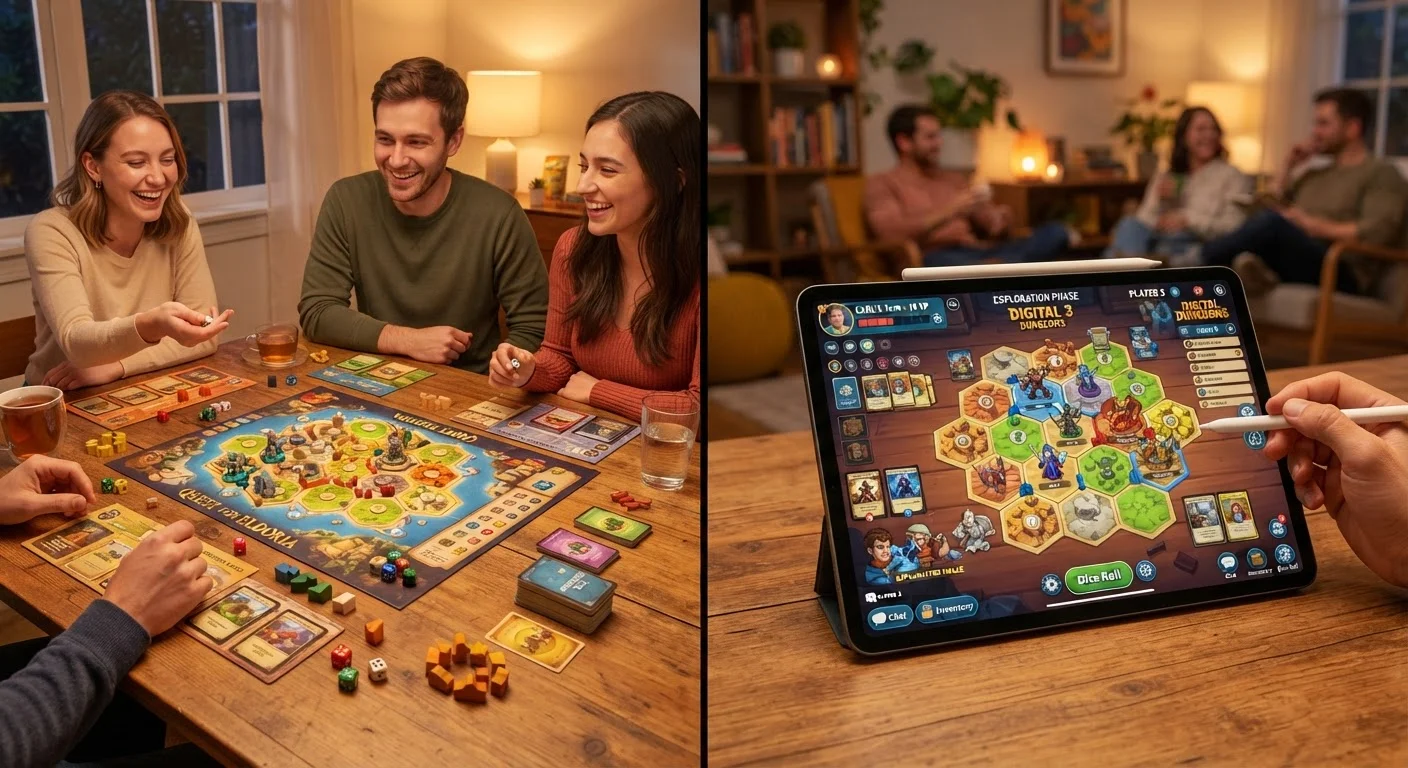
When a beloved board game gets a digital adaptation — think Ticket to Ride on a tablet or Catan Universe on a laptop — the rules transfer faithfully. The mechanics are the same. Yet most players who've tried both formats report that the experience feels meaningfully different. That gap is worth understanding before you decide which version to invest in.
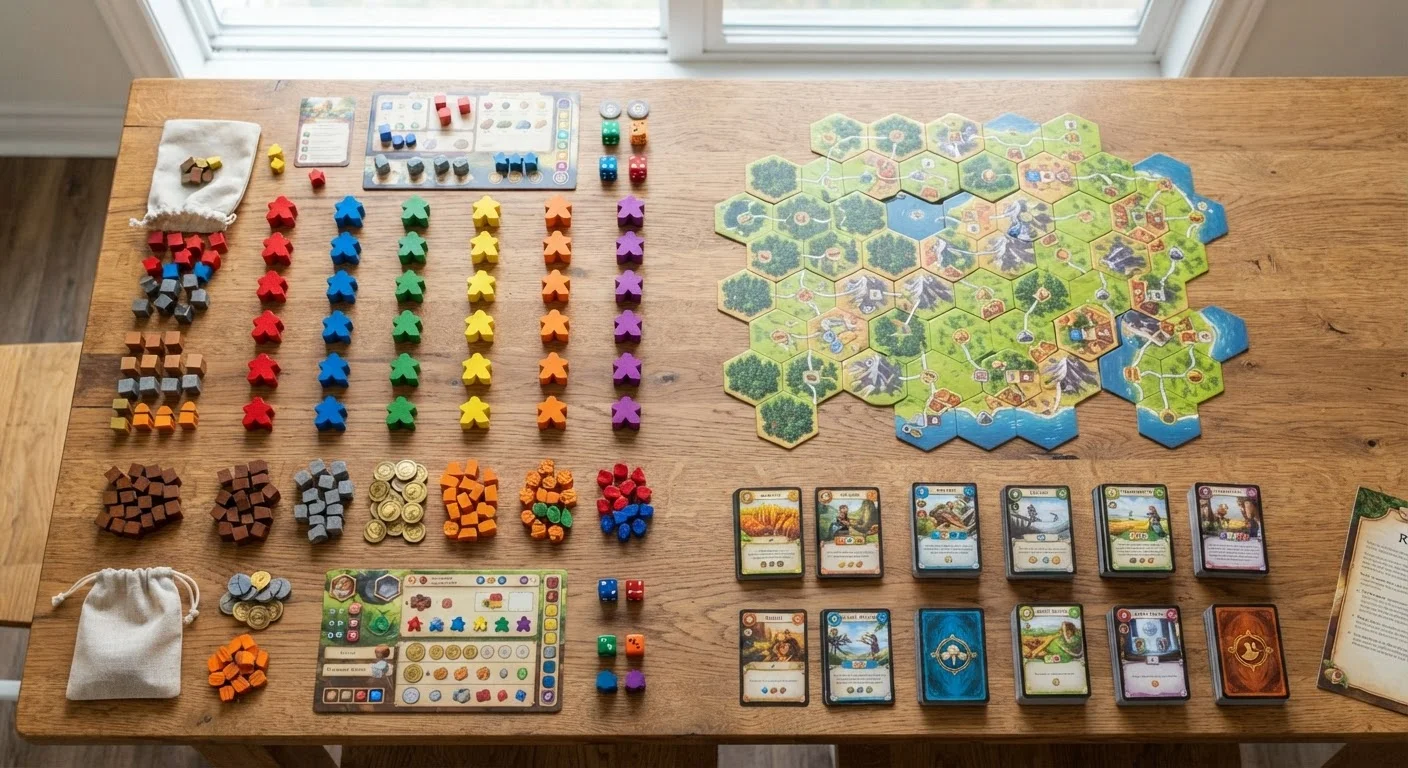
Physical board games are inherently social objects. The act of unpacking a box, shuffling cards, placing wooden tokens, and gathering around a table creates a ritual that sets the mood before a single move is made. Digital versions strip that ritual away in exchange for something else entirely: frictionless access. No setup, no cleanup, no need for everyone to be in the same room. For a quick breakdown of the vocabulary used across both formats, the Quick-Reference Glossary of Board Game Terms is a handy starting point.
What Digital Adaptations Do Better
Digital versions shine in several concrete ways:
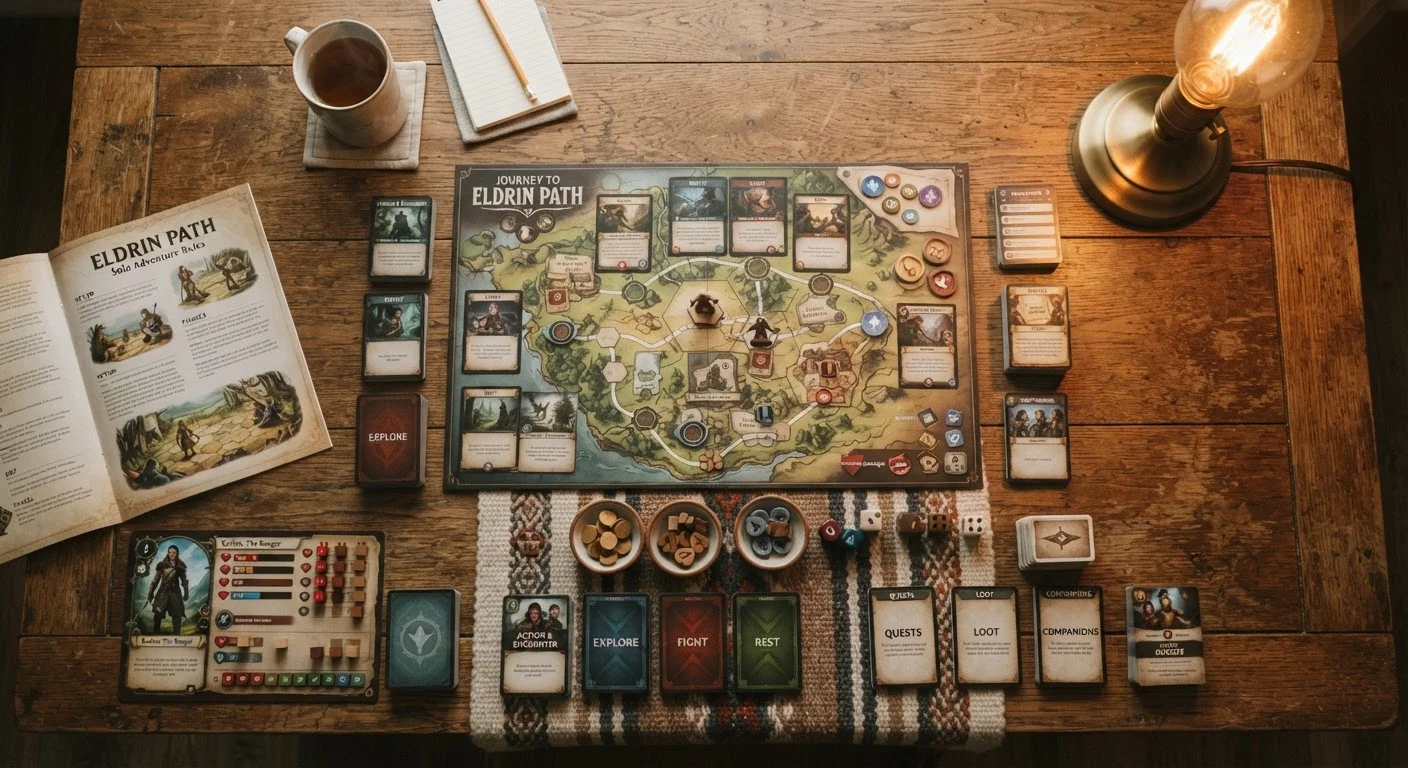
- Accessibility and solo play: You can launch a game at midnight, play against an AI opponent, or challenge a friend across the country. If solo gaming appeals to you, our piece on solo board gaming explores why this format suits individual play so well.
- Automated rule enforcement: Digital apps handle card draws, turn order, scoring, and exceptions automatically. This dramatically reduces learning curves and eliminates arguments over rule interpretation — a genuine advantage for complex games.
- Lower upfront cost: Most digital adaptations are significantly less expensive than their physical counterparts, and many offer free-to-try versions.
- Space and portability: Dozens of games fit on one device — no shelf space required.
| Digital Adaptation | Physical Board Game | |
|---|---|---|
| Setup time | Instant — no physical setup | Can take 5–30 minutes depending on complexity |
| Social experience | Functional but screen-mediated | Rich, in-person, tactile group dynamic |
| Solo play | Excellent — AI opponents available | Limited to games designed for solo play |
| Typical cost | Low to moderate; watch for in-app purchases | Higher upfront; resale value possible |
| Rule enforcement | Automatic and consistent | Manual; allows house rules and flexibility |
| Portability | Dozens of games on one device | Bulky; one box per game |
| Component quality | Visual only; no tactile element | Cards, tokens, miniatures — hands-on appeal |
| Remote play with friends | Easy — built-in online multiplayer | Requires everyone in the same location |
That said, automated enforcement is a double-edged sword. Some groups enjoy house rules and creative flexibility that digital platforms simply don't allow.
What Physical Games Offer That Screens Can't
Despite the convenience of apps, physical games preserve something that's genuinely hard to replicate digitally: the social texture of shared, embodied play. Passing cards, rolling dice, groaning together at a bad draw — these small moments build a kind of group memory that screen-based play rarely generates.
Physical components also have aesthetic and tactile dimensions that matter to many players. High-quality miniatures, linen-finished cards, and illustrated game boards are objects people take pride in owning. That craftsmanship has real value — and physical games can be resold, lent out, or passed down.
There's also the question of presence. Sitting together without competing screen notifications, sharing snacks, making eye contact — board game nights have a social warmth that online play, however convenient, tends to dilute. If your group includes cooperative game fans, our guide to cooperative board games illustrates why that in-person energy can be especially important when everyone's working toward a shared goal.
Cost, Commitment, and Finding Your Balance
Physical games range widely in price depending on complexity and component quality, and expansions can add up quickly. Digital versions tend to cost a fraction of that — though some apps use in-app purchases that erode that initial saving over time. It's worth reading the pricing model before downloading.
One smart approach: use digital versions as a low-risk trial before purchasing a physical copy. If you clock several hours in the app and still want more, the physical game is likely worth it. If the fun fades fast, you've saved yourself a shelf commitment.
Your choice of game type also shapes this equation. Abstract strategy games vs. thematic games explores another dimension of this decision — some game styles translate to digital more cleanly than others. Abstract games with minimal components often lose less in translation than richly thematic games built around physical immersion.
Ultimately, these two formats aren't rivals — they're complements. Many enthusiasts keep a small physical collection for game nights and a handful of digital apps for solo sessions or remote play. That combination tends to deliver the most flexibility and fun across different occasions.