What Solo Board Gaming Actually Looks Like
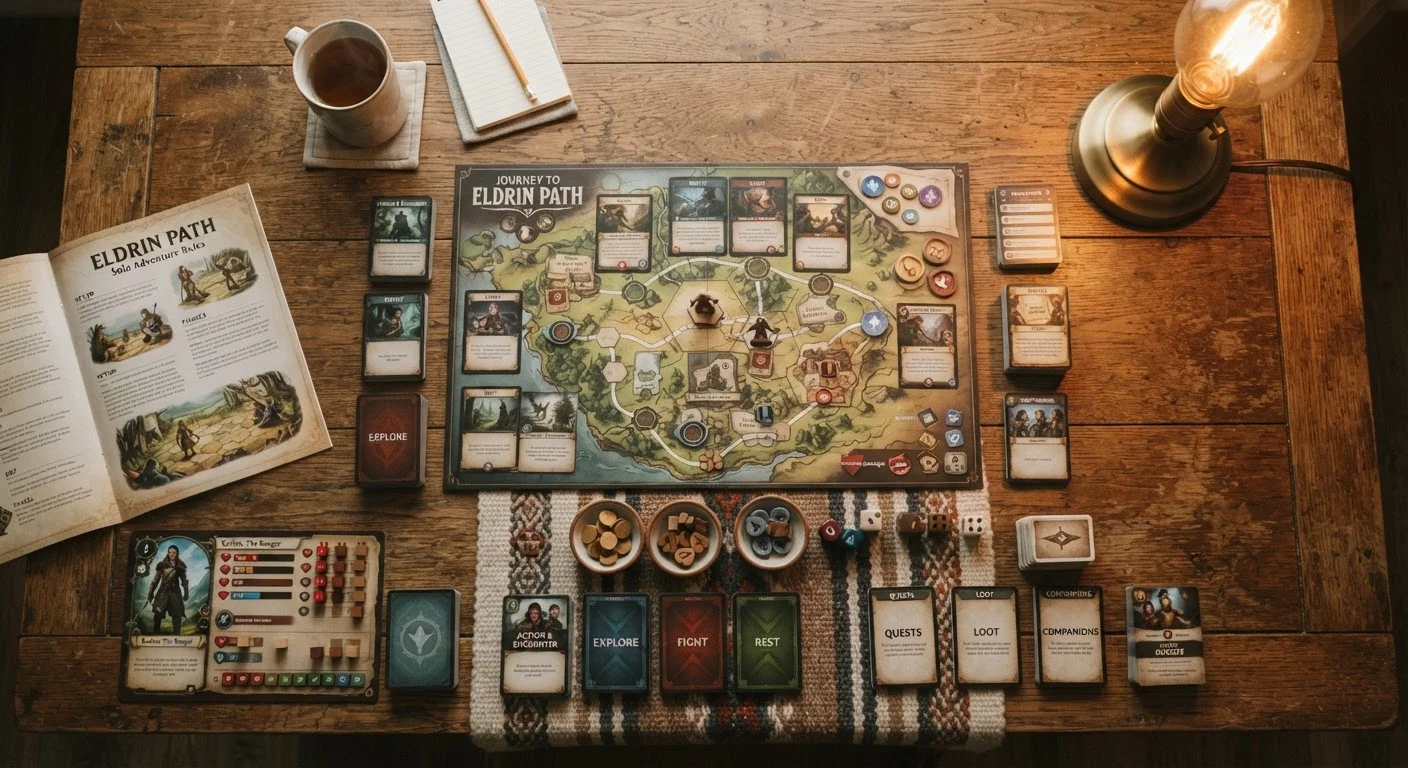
Solo board gaming means playing a tabletop game — with physical cards, tiles, dice, or miniatures — without any other human players at the table. That might sound lonely, but the reality is closer to working through a compelling puzzle or reading an interactive novel. You're making meaningful decisions, managing resources, and responding to a game system designed to push back.
There are two main formats. The first is a dedicated solo game, designed from the ground up for one player. The second is a solo mode bolted onto a multiplayer game, usually through an "automa" system — a simplified AI opponent that simulates another player's actions with cards or dice. Both can deliver a satisfying experience, though dedicated solo designs tend to feel more cohesive.
Popular genres that translate especially well to solo play include cooperative-style games (where you play against the game itself), deck-builders, and narrative-driven adventure games. If you're curious how cooperative mechanics work in group settings too, see our guide to cooperative board games. For solo play, that same "us vs. the game" logic simply removes the "us."
The Real Advantages of Playing Alone
Solo gaming has some genuinely compelling upsides that group play simply can't offer.
Play on your own schedule with zero coordination
There's no need to wrangle calendars or wait for a quorum. You can start, pause, and finish a game entirely on your own terms.
Deep strategic focus without social distraction
Solo play lets you fully immerse in decision-making and game systems without conversation or table talk pulling your attention away.
A growing library of purpose-built solo titles
The modern board game industry has embraced solo design; thousands of titles now include polished, well-tested solo modes or are built exclusively for one player.
Genuine cognitive engagement and problem-solving
Navigating complex game systems, managing competing priorities, and adapting to random events all exercise planning and critical-thinking skills.
No pressure, no player conflict, no house-rule arguments
You set the difficulty, interpret the rules at your own pace, and have total agency over the experience from start to finish.
One frequently overlooked benefit: you control the entire pace. There's no pressure to make a fast decision, no player who checked out twenty minutes in, and no debate over house rules. You can pause mid-game, take notes, and return exactly where you left off. For people with unpredictable schedules, that flexibility is significant.
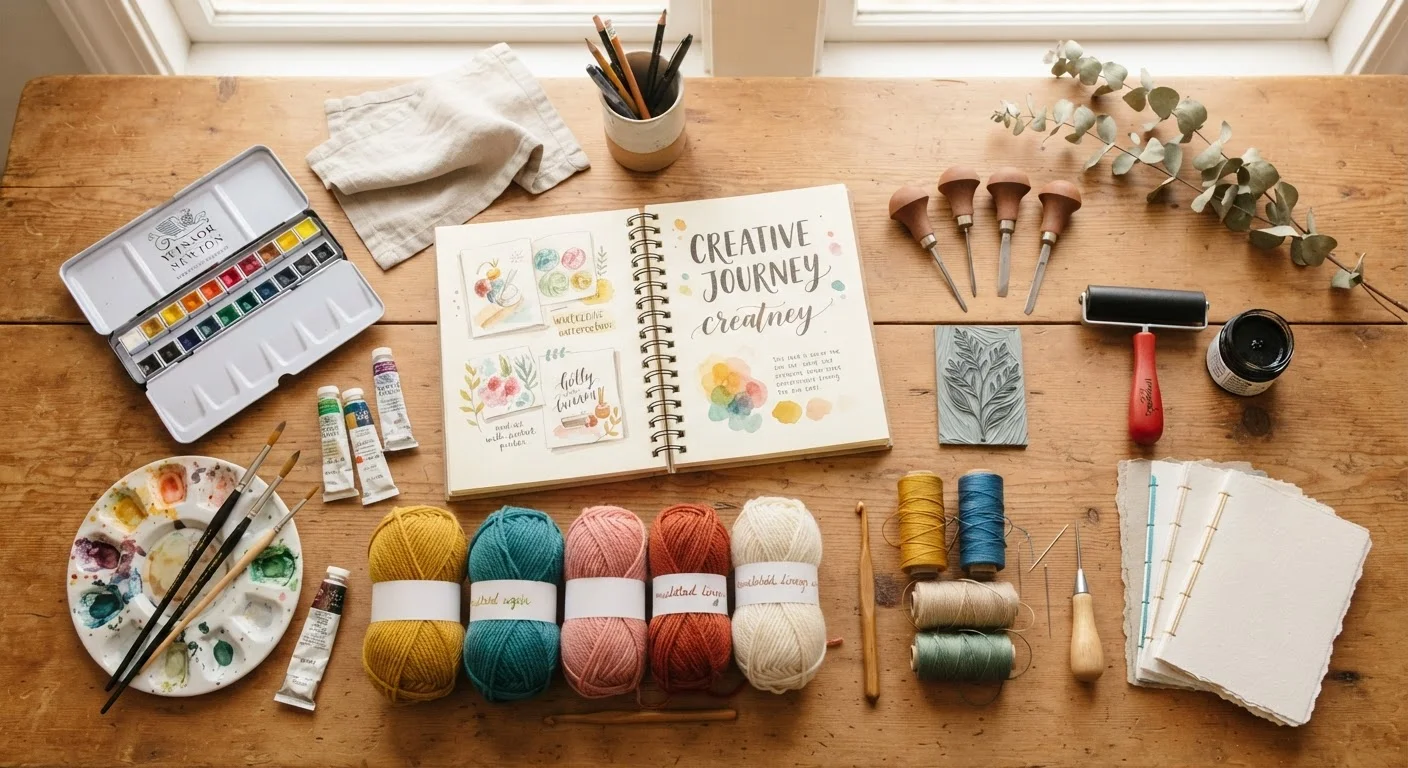
The hobby also pairs naturally with other solo creative pursuits. If you enjoy creative hobbies for adults like journaling or painting, solo gaming fits the same independent, self-directed energy.
Honest Drawbacks to Keep in Mind
Solo gaming is genuinely great — but it comes with real trade-offs that are worth understanding before you invest time and money.
Setup and teardown burden falls entirely on you
Every component that needs sorting, punching, or organizing is yours to handle alone — which can make shorter play sessions feel less worthwhile relative to prep time.
Higher upfront cost per player than group gaming
A $60 game shared across six players costs $10 each per session; solo, that same cost is entirely yours, and replay value becomes more important to justify it.
Physical storage space adds up quickly
Board games are bulky. A growing solo collection can demand significant shelf or closet space, which is a real constraint in smaller homes or apartments.
The social element is genuinely absent
Solo gaming is a solitary activity by definition. Players who value the laughter, negotiation, and shared memory of group play won't find that here.
Automa systems can feel mechanical and unconvincing
Multiplayer games adapted for solo play use simplified AI stand-ins that simulate opponents, but these systems rarely replicate the unpredictability of a real human player.
Top 50
BGG solo-rated games in the overall top 100
BoardGameGeek's ranked lists consistently show that many of the highest-rated games overall also carry strong solo ratings, reflecting how mainstream solo design has become.
~40%
Board gamers who report playing solo regularly
Surveys within the hobby community, including those published by BoardGameGeek, suggest a substantial minority of tabletop gamers engage in solo play at least occasionally.
Setup and teardown can feel disproportionate when you're playing alone. A game that takes 15 minutes to set up for a group still takes 15 minutes solo, but now every minute of overhead is yours to absorb alone. Many solo players find a dedicated gaming space or storage system helps, but that requires room most apartments don't easily offer.
Getting Started Without Overcommitting
The smartest entry point is to start with a game that has a well-regarded, purpose-built solo mode rather than retrofitting a multiplayer game you already own. Many hobby game stores allow demos, and the solo board gaming community on forums like BoardGameGeek maintains detailed, honest reviews specifically filtered by solo experience ratings.
If you're brand new to modern board games in general, gateway games are worth understanding first — some of the best introductory games have solid solo options built in. Deck-building is also a particularly solo-friendly mechanic; our plain-English introduction to deck-building games breaks down how that format works from scratch.
Try Before You Commit
Many public libraries in the US now carry board game lending collections, and local game stores often host open demo nights. Trying a solo-friendly title before purchasing is a low-risk way to discover whether the format clicks for you. Tabletop Simulator and other digital platforms also let you test a game's mechanics affordably before buying the physical version.
And if you eventually want a change of pace, digital adaptations of physical games are a practical complement — lower cost, zero setup, same strategic depth. See our comparison of digital vs. physical board games for an honest look at both formats.