
What Makes a Game a 'Gateway'?
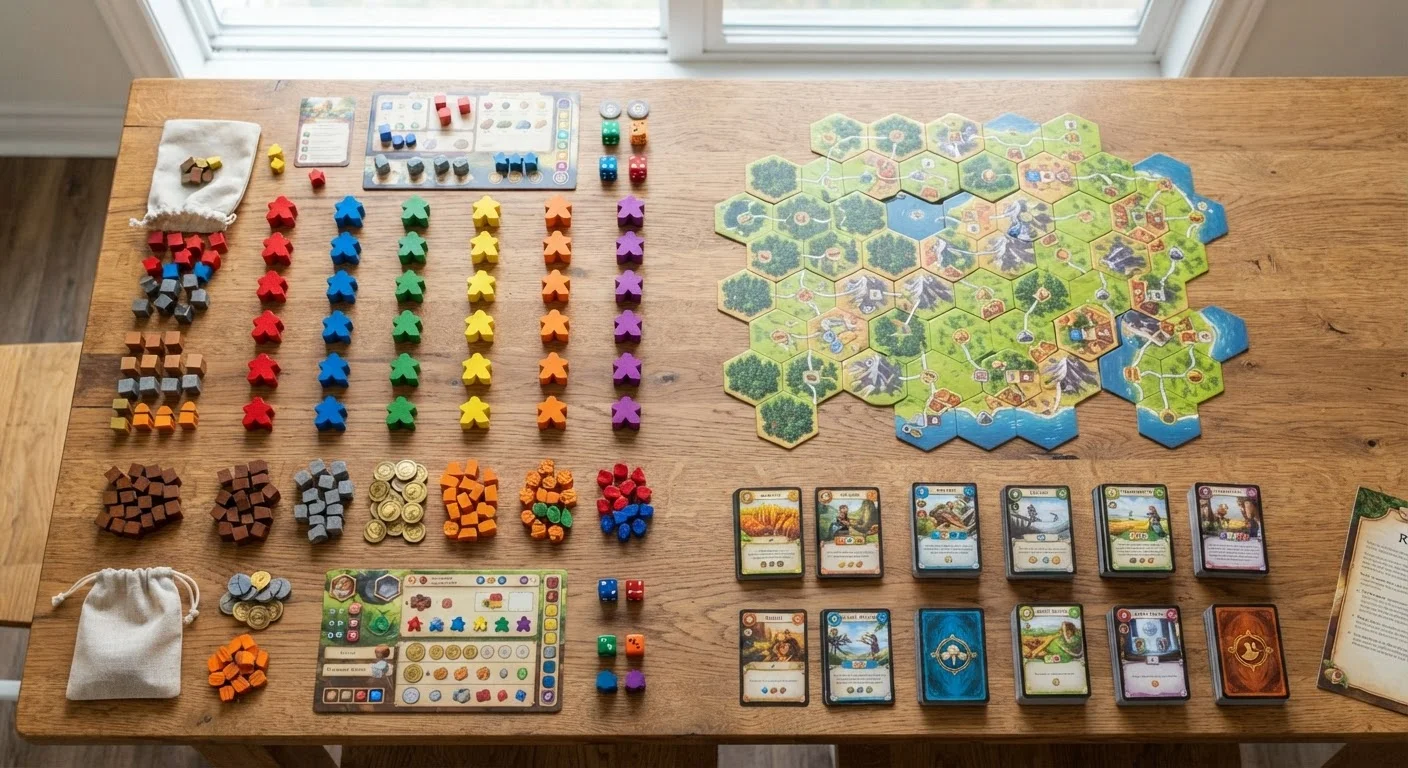
In the board game hobby, a gateway game is any title designed — or simply well-suited — to introduce players who've mostly known classics like Monopoly or Uno to the wider world of modern tabletop gaming. The term isn't a formal category; it's a community shorthand for games that lower the barrier to entry without sacrificing genuine fun.
A solid gateway game typically shares a few traits: rules that can be explained in under ten minutes, a play time under an hour, mechanics that feel intuitive after a single round, and enough strategic texture to keep things interesting beyond the first play. If you're not sure what terms like "worker placement" or "euro-game" mean, our board game glossary is a handy reference to bookmark.
The goal of a gateway game isn't to be easy — it's to be approachable. There's an important difference. Easy games get boring fast; approachable games make players feel capable right away, then reveal more depth as comfort grows.
Best Practices for Choosing the Right Gateway Game
Not every gateway game suits every group, and picking the wrong one for your crowd can sour the experience before it starts. Use these principles to make a confident choice.
Match the game's theme to your group's existing interests.
Players engage faster when the setting feels familiar or exciting to them. A horror fan who feels nothing for fantasy may struggle to care about an otherwise great medieval game, while a cooking enthusiast might light up at a culinary-themed title with identical mechanics.
Prioritize games with a 45-minute or shorter play time for a first session.
Shorter games reduce the stakes of a bad experience. If the first game runs long and people lose the thread, the whole evening can feel like a slog. A snappy 30-minute game that ends on a high note almost always prompts "can we play again?"
Choose a game with a single central mechanic rather than several interlocking systems.
Cognitive overload is the most common reason newcomers disengage. A game built around one core idea — collecting sets, connecting paths, bidding on items — lets players focus on having fun instead of juggling rules.
Look for games that allow meaningful decisions even when losing.
If a player falls behind early and has nothing interesting to do for the rest of the game, they'll remember the boredom more than the experience. Games that keep everyone engaged regardless of score tend to bring people back.
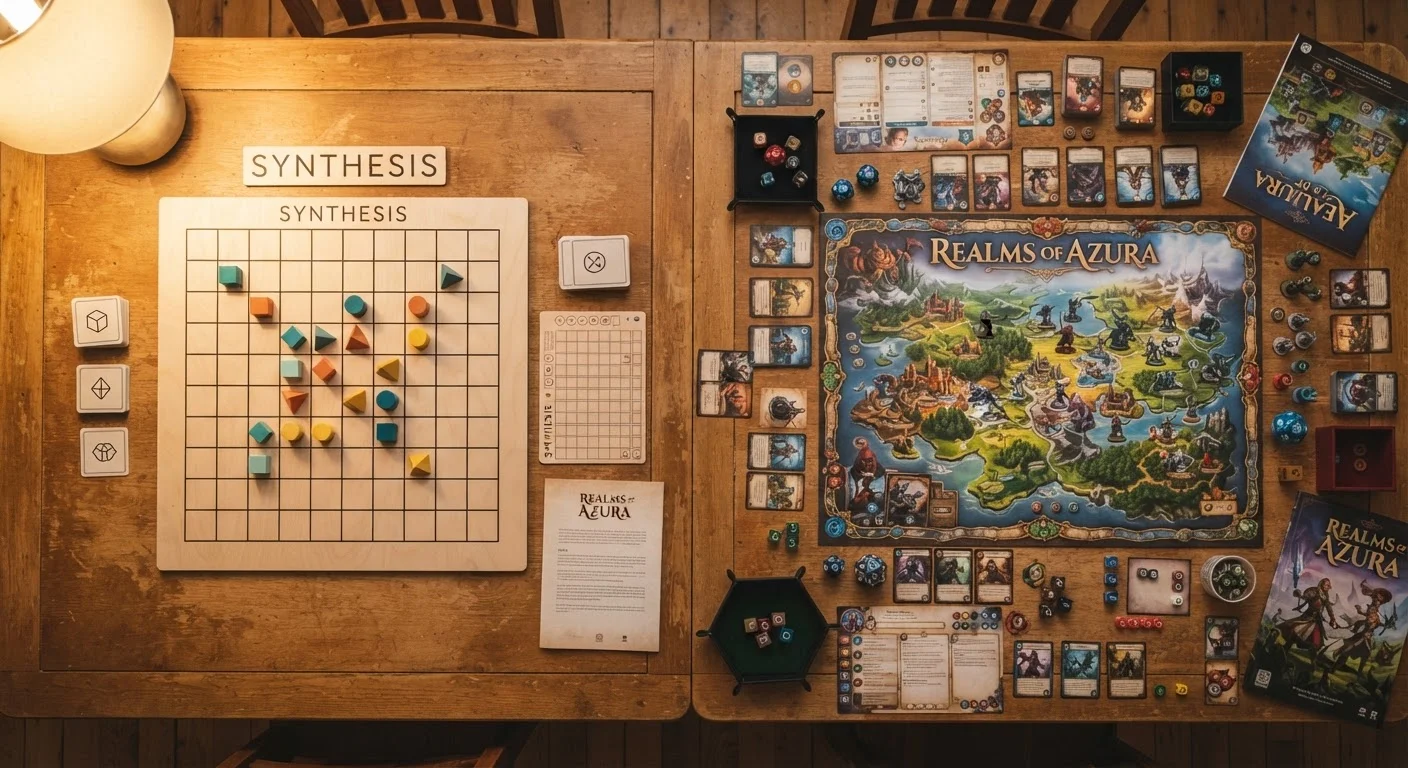
Once you've settled on a game, consider whether your group skews toward pure puzzle-solving or story-driven immersion — two genuinely different experiences explored in our piece on abstract strategy vs. thematic games.
How to Run a Great First Session
Choosing the right game is only half the job. How you introduce it shapes whether newcomers ask for a second round or quietly retreat to their phones.
If your group spans a wide age range, our guide on playing games with mixed ages offers extra strategies for keeping everyone at the table engaged and comfortable.
Where Gateway Games Lead
Think of gateway games as an on-ramp, not a destination. Once players are comfortable with basic turn structure, shared decision-making, and reading iconography, they're ready to explore more complex territory.
A group that loved a simple trading game might gravitate toward heavier negotiation titles. Players who enjoyed a cooperative gateway could be ready for a full deck-building game experience. And solo players who caught the bug might find our overview of solo board gaming opens up a whole new dimension of the hobby.
The modern board game landscape is genuinely vast and welcoming. Gateway games are simply the handshake — and a good handshake makes everything that follows a lot more likely to go well.