Why Forgotten Maintenance Becomes Expensive Repair
Home systems don't announce when they're about to fail. A water heater silently accumulates sediment. A dryer vent collects lint month after month. Flashing around a chimney develops a hairline gap that only becomes obvious after a rainstorm soaks the drywall below. The pattern is consistent: deferred maintenance transforms minor preventive tasks into major repair invoices.
Industry data from the housing sector consistently shows that homeowners spend significantly more on reactive repairs than on proactive upkeep. Yet most of the tasks that prevent the worst outcomes require no special skills — only a reliable schedule and the discipline to follow it. This checklist organizes those tasks by system so you can work through them methodically, whether you do them yourself or hire trades.
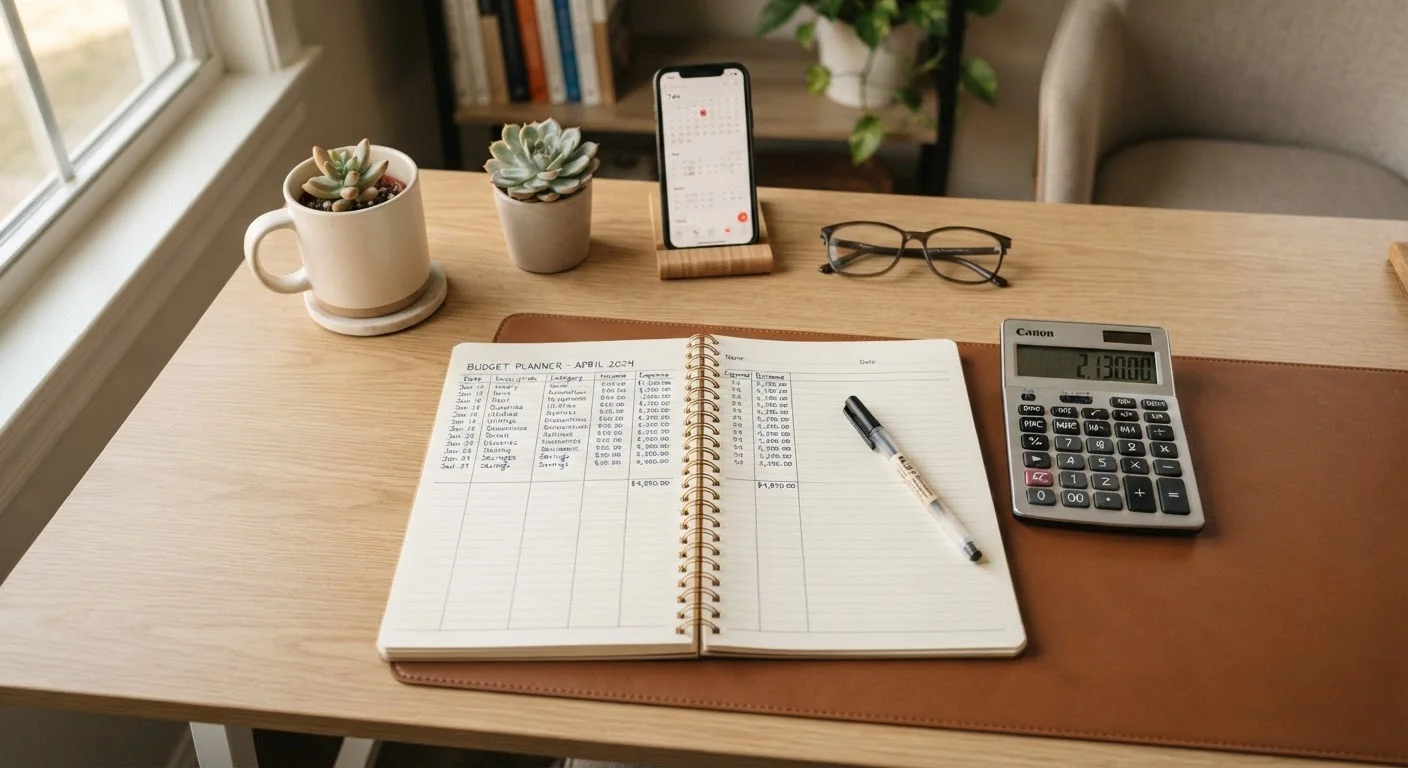
If maintenance expenses fit into a broader household plan, it helps to budget for them intentionally. See our personal budget overhaul checklist for a framework to carve out maintenance reserves alongside other financial priorities.
Deferred Maintenance Compounds Repair Costs Fast
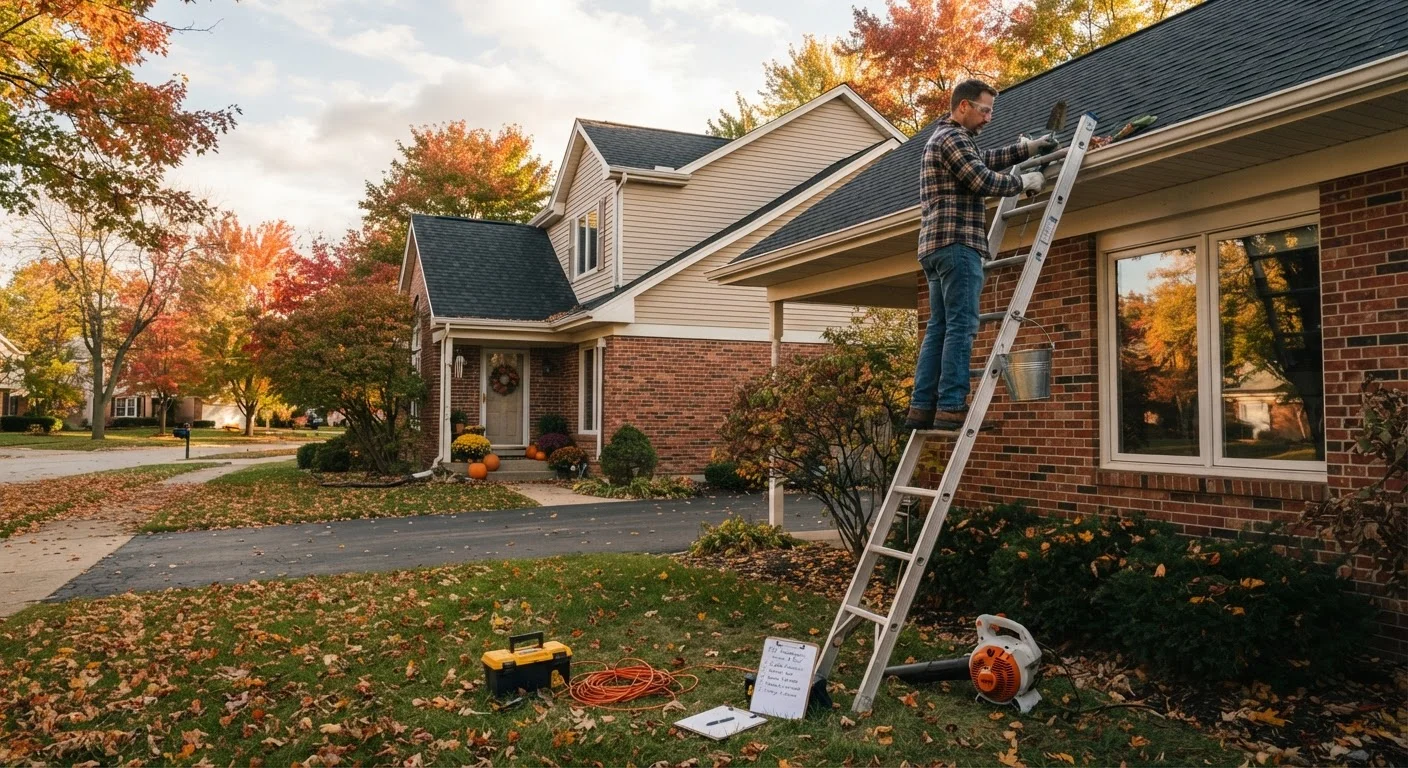
A clogged gutter that causes water to pool against a foundation can lead to basement flooding, mold remediation, and structural repairs costing tens of thousands of dollars — all traceable to a task that takes under an hour. Most insurance policies also exclude damage resulting from neglected maintenance, meaning these costs fall entirely on the homeowner. Completing this checklist annually is one of the most cost-effective financial habits a homeowner can build.
How to Use This Checklist
Work through each group once a year at minimum. Some items — HVAC filters, smoke detector tests — warrant attention more frequently and are noted accordingly. For each item you flag as needing attention, record it with a rough cost estimate. Small issues budgeted for are far easier to manage than emergency calls that arrive without warning.
A few items on this list involve systems where DIY work carries meaningful risk or may require a licensed professional under local code. Electrical, gas, structural, and roofing work in particular should be assessed honestly before you proceed without help. When in doubt, a licensed inspection costs far less than fixing a problem made worse by an incomplete repair.
If you are also preparing to leave the home unattended for an extended trip, our pre-trip home security checklist covers additional steps worth completing before departure.
Extension ladder
Safely reaches gutters, soffits, and single-story roof edges for visual inspection and cleaning.
Hose with high-pressure nozzle
Flushes debris from gutters and downspouts during cleaning.
Voltage tester
Confirms GFCI outlets are functioning correctly without requiring an electrician for a basic check.
Water heater flush kit or garden hose
Connects to the drain valve to flush sediment from the water heater tank.
Dryer vent cleaning brush kit
Removes lint from the full length of dryer ductwork, which standard vacuum attachments cannot reach.
Binoculars
Allows a preliminary roof inspection from the ground without climbing.
Caulking gun and weatherproof caulk
Re-seals gaps around windows, doors, and exterior penetrations to stop air and water infiltration.
The Maintenance Tasks (By System)
The checklist below is organized by home system — exterior, HVAC, plumbing, safety, and interior. Tackle them in whatever order fits your schedule, but aim to complete each group at least once within a twelve-month window. Items marked must are non-negotiable for basic home protection; should items are strongly recommended; nice to have items provide useful diagnostic information but can be deferred without immediate consequence.
Exterior & Roofing
HVAC & Ventilation
Plumbing & Water Systems
Safety Systems
Interior Structure & Finish
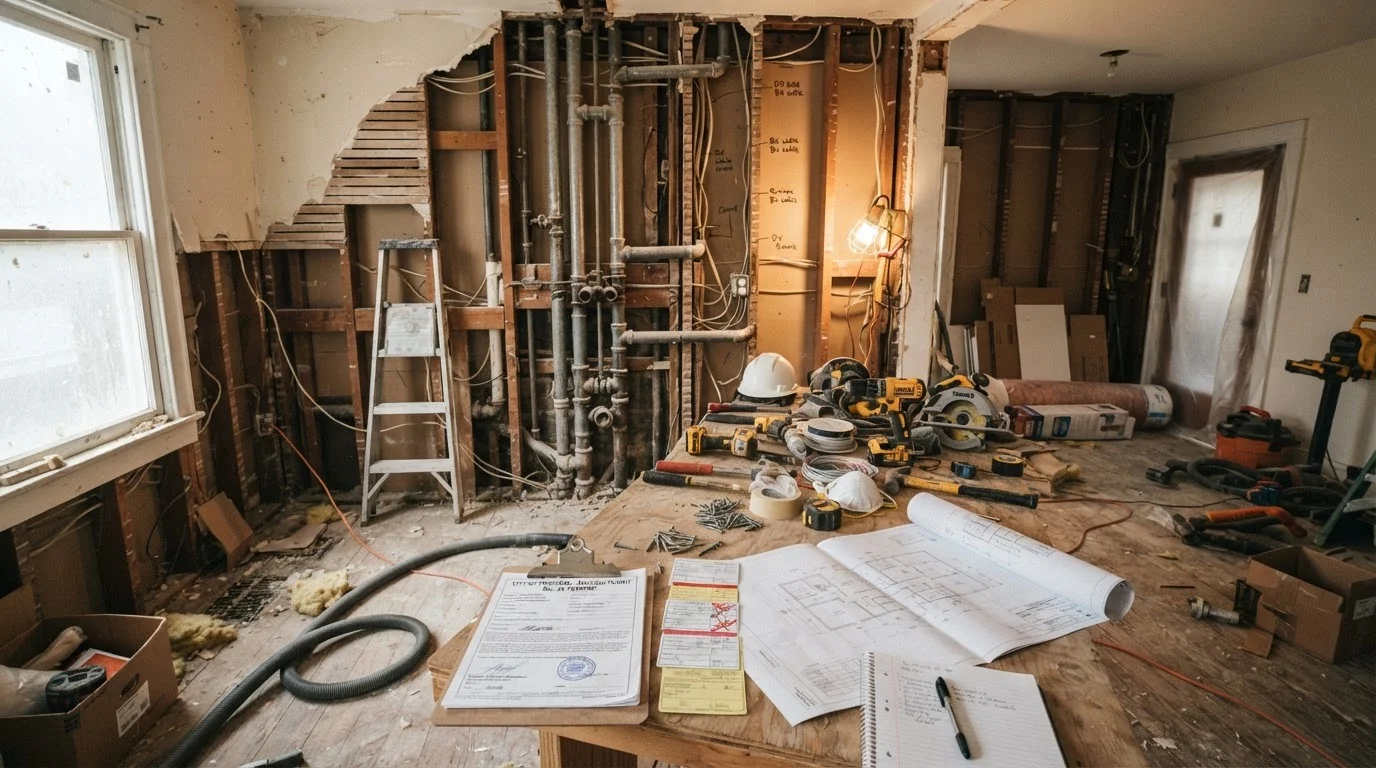
Once you've identified any deferred items that might escalate into renovation projects, review the common cost factors that homeowners underestimate. Our article on hidden costs that derail renovation budgets is a useful reference before committing to larger scope work.
Getting More Out of Your Maintenance Routine
Completing this checklist is a foundation, not a ceiling. Homeowners who pair routine maintenance with targeted efficiency upgrades often see tangible reductions in utility costs alongside fewer emergency repairs. If you're evaluating where to invest next, our guide to prioritizing energy upgrades that reduce bills lays out which improvements tend to deliver the strongest return.
For households planning longer-term modifications — whether for aging family members or general accessibility — aging-in-place modifications are worth considering as part of your next improvement cycle. Many of these changes improve safety for all occupants, not just seniors.
Whatever your improvement goals, the discipline of annual maintenance is what keeps those investments from being undermined by neglected fundamentals. A well-maintained home is simply easier and less expensive to improve when you're ready.
This article is for general informational purposes only and does not constitute professional legal, financial, or contracting advice. Always consult licensed professionals and verify local permit requirements before undertaking repairs or modifications to your home.