Why Renovation Budgets Break Down Before Work Even Starts
The number one reason home renovation projects go over budget isn't contractor greed or poor planning — it's a fundamental mismatch between what homeowners budget for and what projects actually cost. Most initial estimates cover visible, expected work. They rarely account for what regulators require, what decades-old structures conceal, or how supply chains behave.
Understanding where budgets break down before you commit to a project is the most practical financial protection you have. The mistakes below are drawn from patterns that repeat across project types — from bathroom refreshes to full structural remodels — and each one is avoidable with the right preparation.
Building a budget around the contractor's base estimate without reserving a contingency fund.
Why it happens: Homeowners anchor on the quoted number and treat it as the final cost, not realizing estimates exclude unforeseen conditions discovered once work begins.
Overlooking permit fees, inspection costs, and mandatory code-compliance upgrades tied to the permit.
Why it happens: Permits feel like a formality, and their associated costs — including required upgrades to bring adjacent systems up to current code — are rarely included in contractor bids.
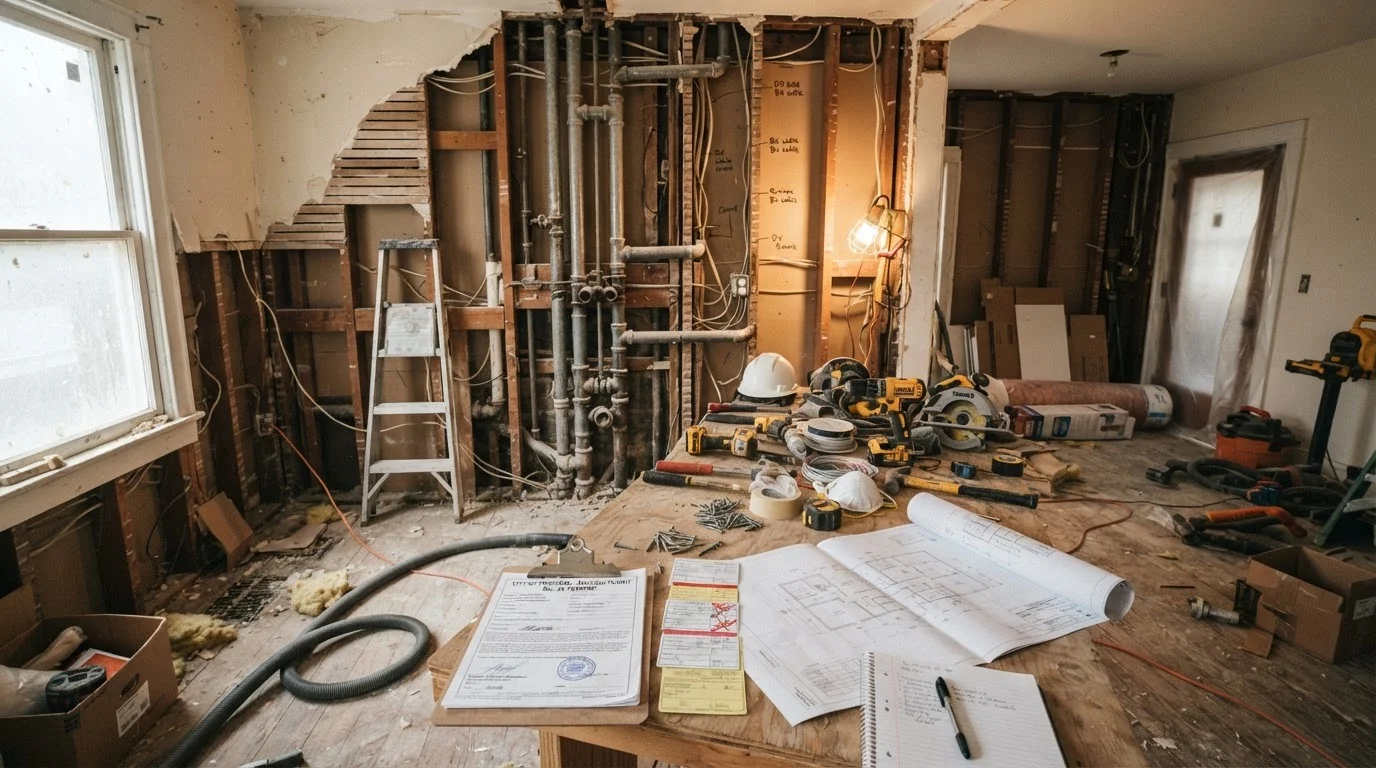
Ignoring what's behind walls, under floors, or in crawl spaces until demolition is underway.
Why it happens: Pre-renovation inspections feel like an extra expense, so homeowners skip them — then discover outdated wiring, water-damaged framing, or substandard plumbing once the project is already open.
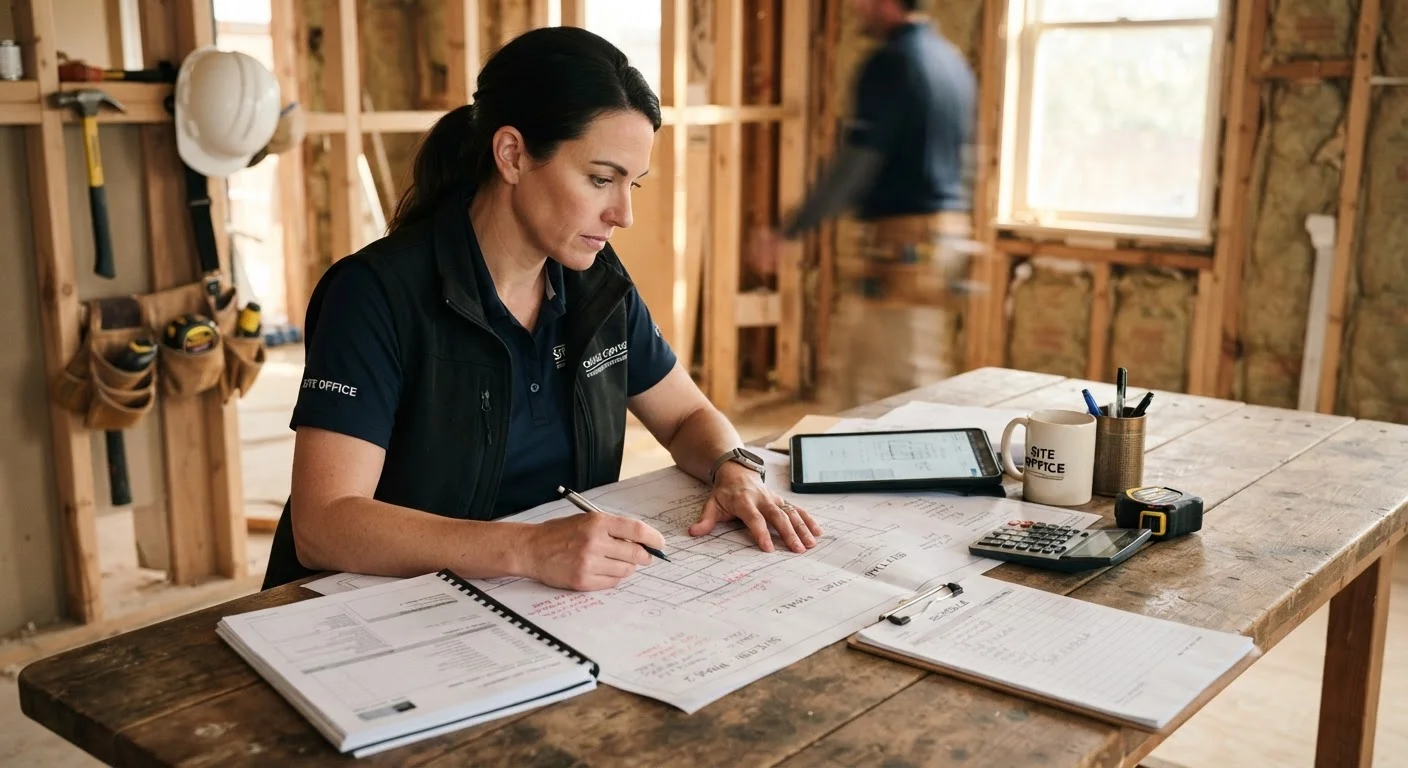
Accepting a contractor's scope-of-work without a detailed, itemized written contract.
Why it happens: Homeowners eager to get started trust verbal assurances or vague written estimates, leaving the door open for scope creep and disputed change-order pricing.
Failing to account for material price volatility and supply-chain lead times.
Why it happens: Homeowners price materials at the planning stage and assume those quotes hold. Lead times on specialty items like custom cabinetry, windows, or tile can stretch weeks or months, stalling labor and compounding costs.
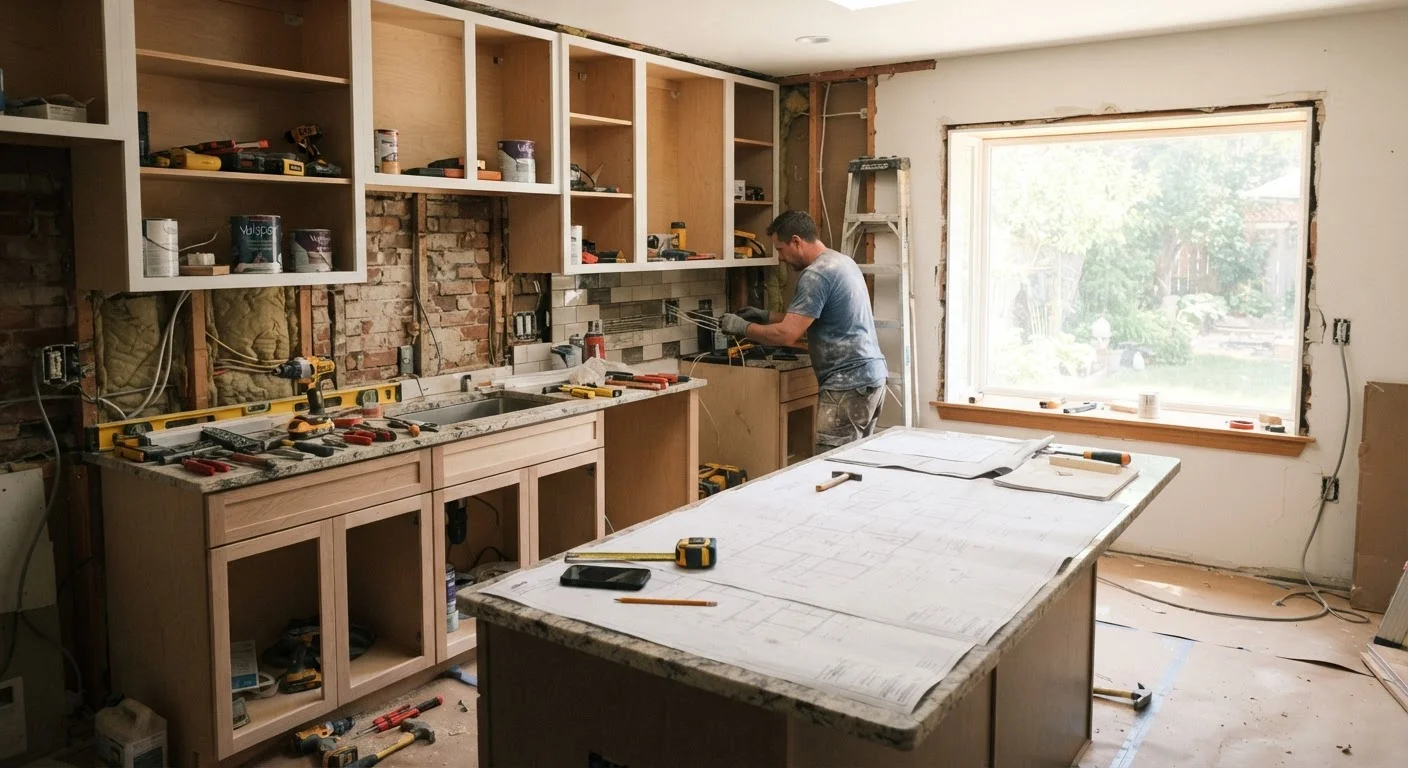
Underestimating the true cost of temporary displacement and lifestyle disruption during major renovations.
Why it happens: Homeowners focus entirely on construction costs and forget that kitchen or bathroom projects may require weeks of alternative eating, storage, or living arrangements that carry their own price tags.
Building a Budget That Actually Holds
Once you've identified the hidden costs most likely to affect your project, the goal is to build them into the plan from day one rather than absorbing them as shocks mid-construction. Start by getting the permitting picture right — our guide on when your renovation requires official approval walks through which project types typically require permits and what that means for your timeline and budget.
~33%
Renovations that exceed original budget
Industry surveys consistently find roughly one in three renovation projects exceeds its initial budget, with structural discoveries and change orders cited most frequently.
15–20%
Recommended contingency reserve
Most construction professionals and financial advisers recommend reserving 15–20% of total project cost as a contingency, rising to 20–25% for homes built before 1980.
Up to 25%
Cost added by unplanned change orders
According to project management research in the construction sector, unmanaged change orders can add as much as 25% to final project costs on residential remodels.
If your renovation scope is large enough to require financing, understand your options before you start drawing down funds. Our overview of home improvement financing options explains how common instruments work so you can evaluate them against your situation. For homeowners deciding which projects deserve the investment at all, our analysis of which home renovations actually pay off at resale provides a useful reality check before money is committed.
This article is for general informational purposes only and does not constitute financial, legal, or contracting advice. Consult qualified professionals — including licensed contractors, a building official, and a financial adviser where appropriate — before making decisions specific to your home and circumstances.