Why Permits Exist — and Why They Matter to You
Building codes and permit requirements exist primarily to protect people — the occupants of a home, future buyers, and neighboring properties. When an inspector reviews electrical wiring before a wall is closed up, or checks that a new structural beam is properly supported, the process is designed to catch mistakes that could otherwise cause fires, collapses, or flooding years later.
For homeowners, permits carry a second layer of importance: documentation. A permitted renovation creates an official record that the work was completed to code. That record becomes a selling point when you list your home — and the absence of one becomes a liability. Buyers, their agents, and their lenders increasingly scrutinize permit histories, and unpermitted work can trigger renegotiations, required repairs, or deal failures. See our guide to renovation ROI for context on how compliance affects resale value.
Permit Rules Vary Significantly by Location
There is no single national standard for what requires a permit. A project that needs approval in one county may be entirely exempt across the county line. Some states have adopted standardized building codes; others leave significant discretion to individual municipalities. The only reliable source for your specific situation is your local building department.
Projects That Almost Always Require a Permit
While rules vary by municipality, certain categories of work are nearly universally permit-required because they affect structural integrity, fire safety, or critical home systems:
- Structural changes: Removing or adding load-bearing walls, adding a room addition, or building a deck above a certain height (commonly 30 inches off grade).
- Electrical work: Installing a new electrical panel, adding circuits, or rewiring rooms. Replacing a single outlet or switch is often exempt, but new circuit runs generally are not.
- Plumbing: Adding or relocating drain lines, supply lines, or gas lines. Simple fixture swaps — like replacing a faucet — typically don't require permits.
- HVAC systems: Installing a new furnace, central air system, or ductwork. Some jurisdictions also require permits for mini-split installations.
- Roofing: Full roof replacements require permits in many areas; patching generally does not.
- Converting spaces: Finishing a basement, converting a garage to living space, or adding a bathroom where none existed.
When in doubt, the right move is always to call your local building department before work begins — not after.
Projects That Typically Don't Need a Permit
Cosmetic and low-risk improvements generally fall outside permit requirements, though you should still confirm locally:
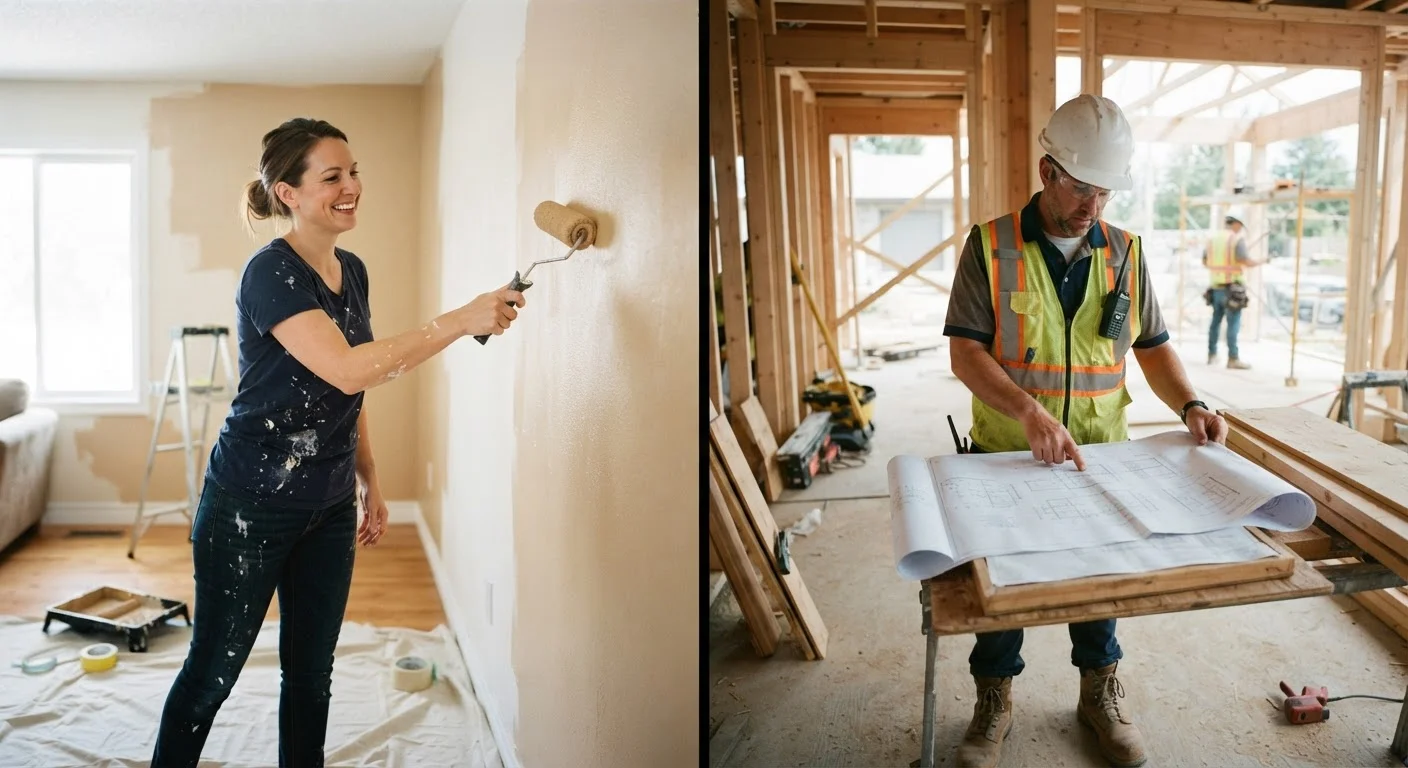
- Painting interior or exterior surfaces
- Installing new flooring (hardwood, tile, carpet, laminate)
- Replacing kitchen cabinets in the same footprint without moving plumbing
- Swapping out light fixtures for like-for-like replacements on existing circuits
- Installing new countertops
- Replacing windows or doors in existing openings (some jurisdictions still require this)
- Minor landscaping and fencing under a certain height
Even for exempt projects, if you're hiring someone to do the work, it's worth confirming their license and insurance status. Our DIY vs. contractor guide can help you assess when professional help is genuinely necessary.
The Real Cost of Skipping a Permit
Homeowners sometimes skip permits to save money or avoid delays. Permit fees are real — they can range from under $100 for minor work to several hundred dollars or more for larger projects — but they are rarely the largest line item in a renovation budget. The cost of not permitting, however, can be far higher.
Risks of unpermitted work include:
- Fines and stop-work orders if work is discovered mid-project
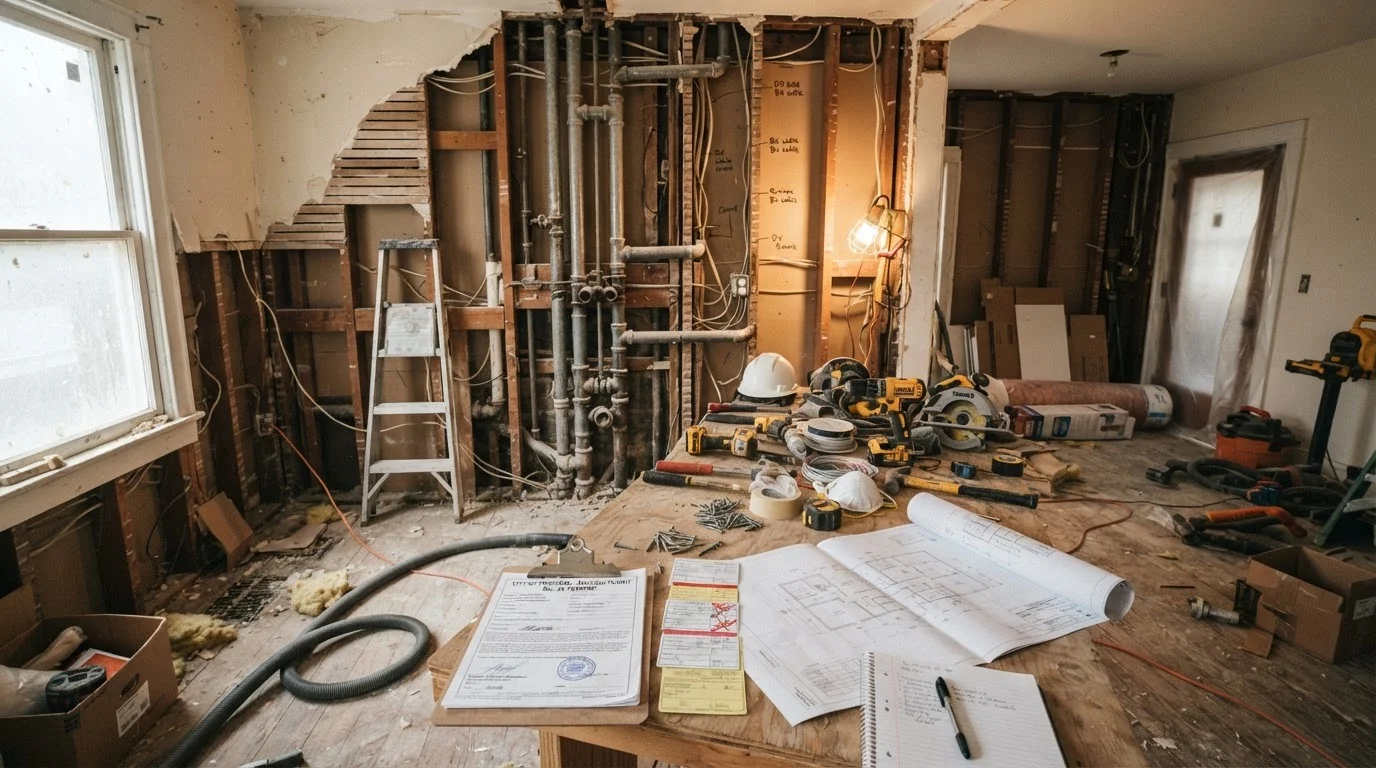
- Mandatory demolition of completed work so an inspector can review what's behind the walls
- Insurance claim denials tied to a failure in unpermitted systems
- Disclosure obligations at sale that may reduce your home's negotiated price
- Liability if unpermitted work later causes injury or property damage
Permit fees are generally a small fraction of total project cost and should be budgeted from the start. See our breakdown of hidden renovation costs for a fuller picture of what homeowners routinely underestimate.
Always Get It in Writing From Your Contractor
Before any permitted project begins, confirm in your contract that the contractor is responsible for obtaining all required permits and scheduling inspections. Ask for copies of the permit and final inspection sign-off when the job is complete. These documents belong in your home's permanent records.
How to Navigate the Permit Process
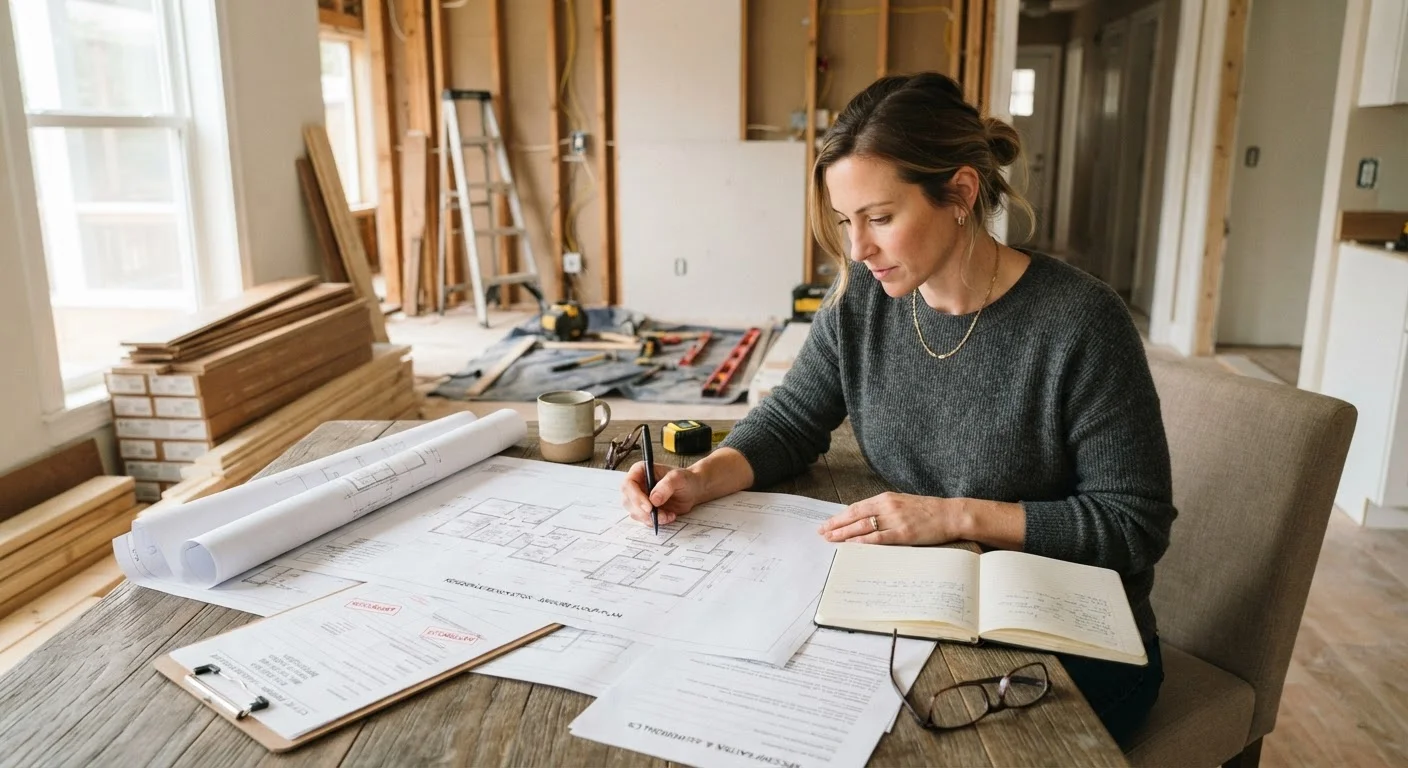
For most projects, the process follows a predictable path: you (or your contractor) submit an application to the local building department with project details and sometimes drawings or specifications. The department reviews and issues the permit, usually within days to a few weeks depending on jurisdiction and project complexity. Work then begins, with inspections at required milestones. Final approval closes out the permit.
A few practical notes:
- Licensed contractors typically pull permits as part of their service. If a contractor suggests skipping the permit to save you money, treat that as a red flag.
- Keep all permit documentation — approvals, inspection sign-offs, and the final certificate of occupancy if applicable. Store them with your home's important records.
- If you're buying a home and discover unpermitted work during due diligence, factor retroactive permitting costs into your offer negotiations.
Permit requirements are not bureaucratic obstacles — they are a built-in quality check on some of the most significant investments homeowners make. Understanding which projects require them is one of the more practical things you can know before picking up a hammer or signing a contractor agreement.
This article is for general informational purposes only and does not constitute legal, financial, or construction advice. Building permit requirements vary by jurisdiction. Always consult your local building department and, where appropriate, a licensed contractor or attorney before beginning renovation work.