Why ROI Varies So Much Between Projects
Homeowners collectively pour hundreds of billions of dollars into renovations each year, yet industry cost-versus-value research consistently shows that most projects recoup only a fraction of what they cost. The gap between what you spend and what buyers will pay for the improvement is real — and it varies enormously by project type, local market, and how the work was executed.
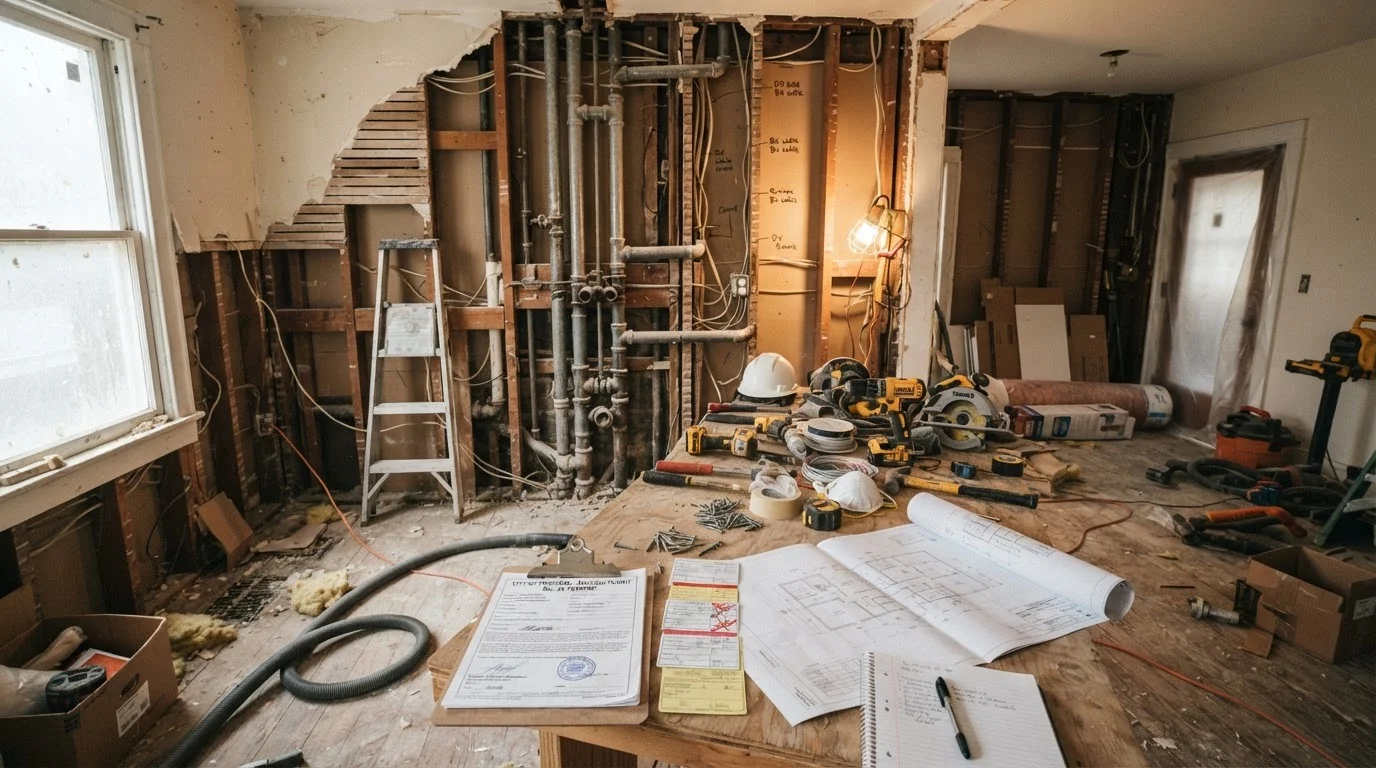
Two principles drive this gap. First, buyers discount upgrades to what they personally want, not what the seller loved. Second, over-improving relative to the neighborhood caps resale gains regardless of project quality. Before committing to any large project, see our guide to hidden renovation costs — permit fees and structural surprises routinely expand budgets beyond what resale value can absorb.
| Garage door replacement (avg. ROI) | ~94% (Remodeling Magazine Cost vs. Value Report) |
| Minor kitchen remodel (avg. ROI) | ~76% (Remodeling Magazine Cost vs. Value Report) |
| Major kitchen remodel (avg. ROI) | ~54–62% (Remodeling Magazine Cost vs. Value Report) |
| Midrange bathroom remodel (avg. ROI) | ~60–70% (Remodeling Magazine Cost vs. Value Report) |
| Wood deck addition (avg. ROI) | ~65–70% (Remodeling Magazine Cost vs. Value Report) |
| Upscale master suite addition (avg. ROI) | ~40–55% (Remodeling Magazine Cost vs. Value Report) |
Projects With Historically Strong Returns
Remodeling Magazine's annual Cost vs. Value report — one of the most widely cited industry benchmarks — consistently identifies exterior and entry improvements as top performers at resale. Garage door replacements, manufactured stone veneer on the facade, and steel entry door replacements have repeatedly ranked among projects recouping 90% or more of their cost nationally. The reason is straightforward: curb appeal shapes a buyer's first impression before they've stepped inside.
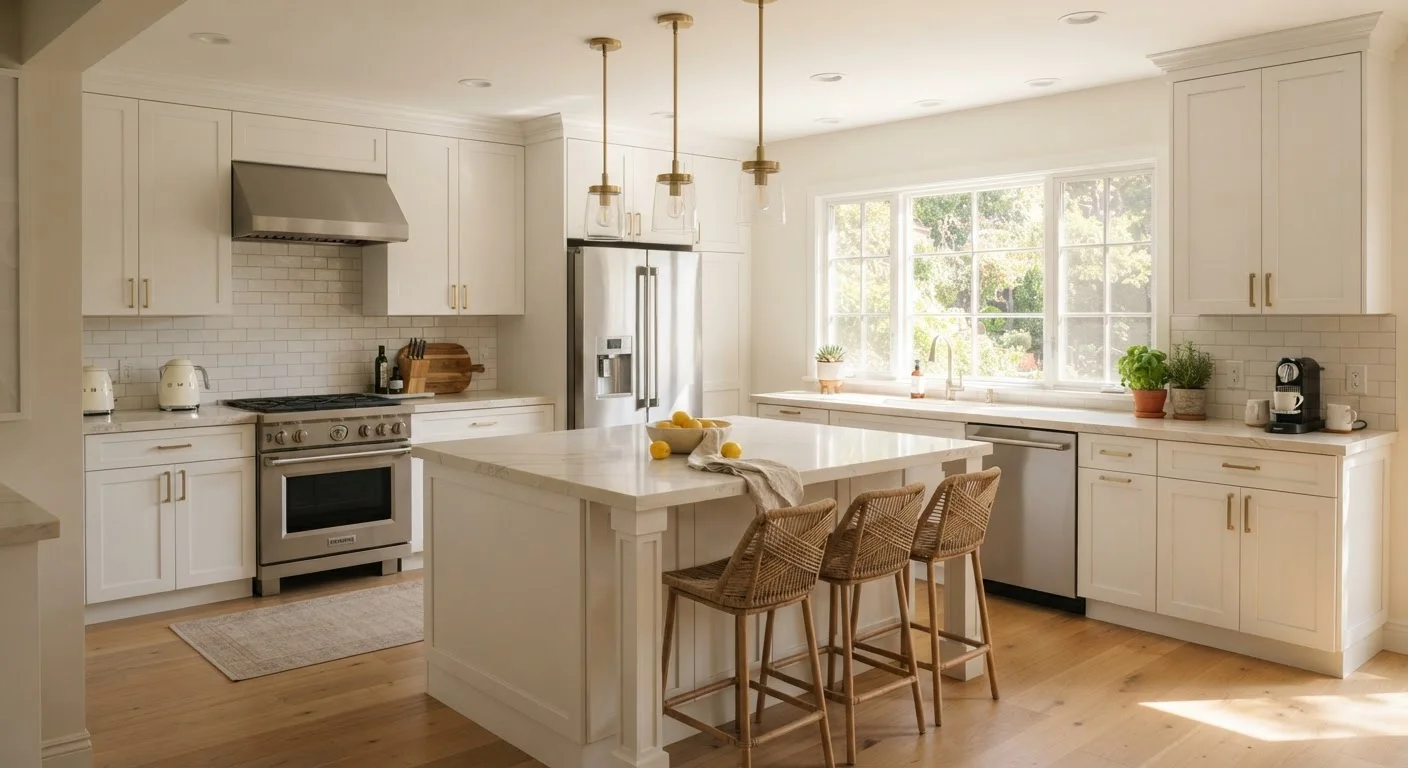
Minor kitchen remodels also outperform major ones. Replacing cabinet fronts, updating hardware, installing a new mid-range countertop, and refreshing appliances typically recoup 70–80% of project cost — significantly better than a full gut renovation, which can fall below 60%. If a full kitchen overhaul is on your radar, the end-to-end kitchen renovation guide walks through every phase so you can scope the project strategically.
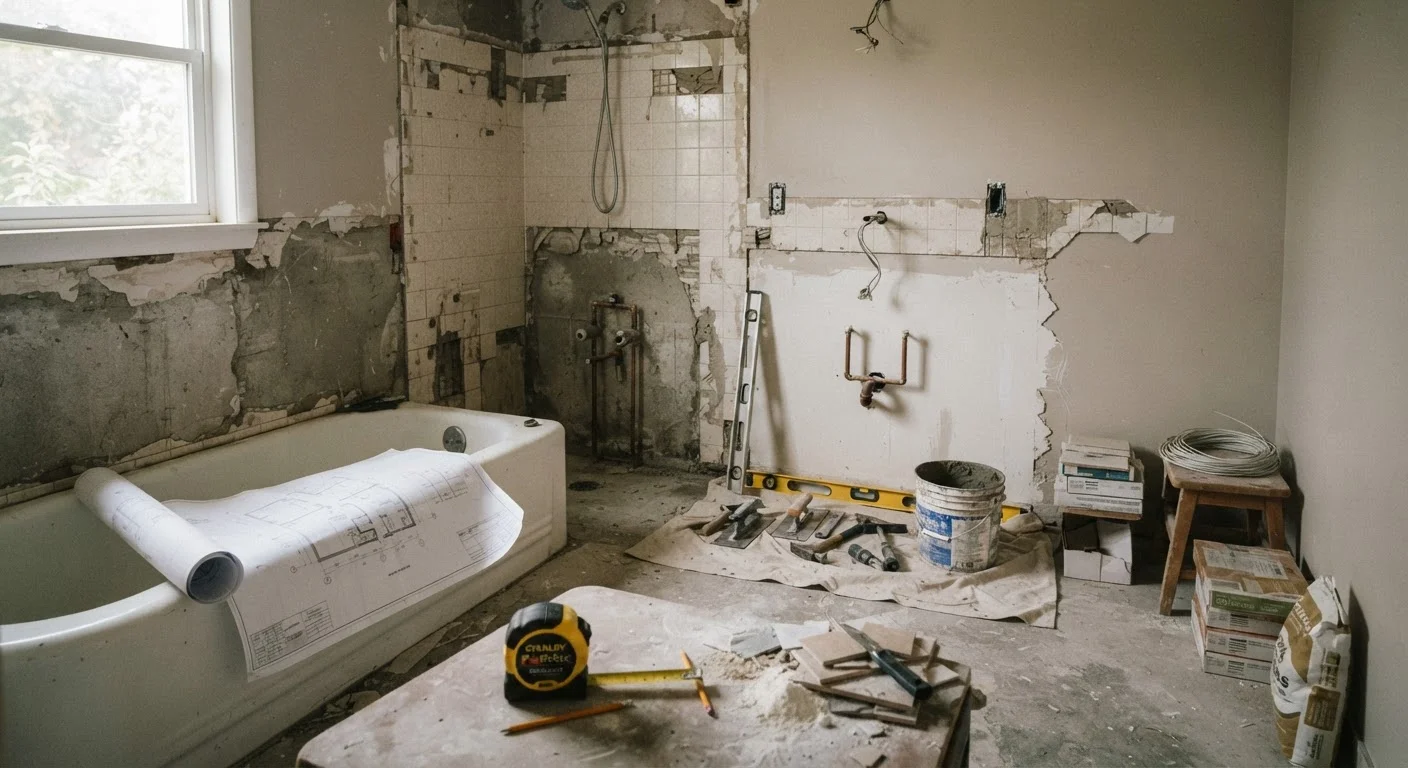
Bathroom additions and mid-range remodels generally recover 55–70% of cost. Adding a half-bath where only one full bath exists often produces stronger returns than upgrading an already-adequate bathroom. For planning purposes, the bathroom remodel planning guide helps homeowners sequence trades and avoid mid-project budget blowouts.
Deck and patio additions appeal broadly to buyers in most climates, with wood deck additions recouping roughly 65–70% of cost. Composite decking costs more upfront but may appeal to low-maintenance buyers.
Projects That Frequently Underperform
Luxury upgrades in average-priced homes are the most consistent ROI underperformers. Upscale master suite additions, home theater buildouts, and high-end pool installations often recoup less than 50% of their cost — and in some markets considerably less. Pools carry ongoing maintenance costs that many buyers treat as a liability, not an asset.
Primary suite additions — adding square footage and a spa-style bath — are expensive to build and rarely translate dollar-for-dollar into appraised value. Similarly, converting a garage to living space can hurt resale by eliminating covered parking, which many buyers specifically want.
Energy upgrades are worth separating from the ROI conversation because their primary payoff is reduced operating cost during your ownership, not necessarily a higher sale price. Insulation, windows, and HVAC improvements can meaningfully lower utility bills before you sell. See which energy upgrades reduce bills most effectively to understand where that spending is best directed.
ROI Benchmarks Are National Averages
The cost-versus-value figures cited throughout this article are national medians drawn from industry research. Local market conditions, neighborhood price ceilings, and regional buyer preferences can push your actual returns significantly above or below these figures. Always consult a local real estate professional who knows your specific market before budgeting a renovation for resale.
How to Prioritize Before You List
The highest-value renovation decision you can make before selling is usually not a renovation at all — it's a professional pre-listing inspection and a realistic conversation with a local real estate agent about what buyers in your price range actually want. Markets differ significantly: a finished basement adds strong value in cold-climate metros and far less in Sun Belt cities where outdoor living space matters more.
As a general framework, prioritize in this order: (1) deferred maintenance — fix what's broken before upgrading what works; (2) curb appeal — landscaping, paint, and entry improvements deliver strong first impressions at relatively low cost; (3) kitchen and bath refreshes rather than full replacements; and (4) neutral, broad-appeal finishes over personalized choices.
If you're evaluating whether it makes more financial sense to renovate and sell versus sell as-is and move, the considerations overlap with the broader buy-versus-stay calculus covered in our renting vs. buying analysis.
This article provides general educational information about home renovation and resale value. It is not personalized financial, legal, or real estate advice. Market conditions vary by location and change over time. Consult a licensed real estate professional and qualified contractor before making renovation or selling decisions.