Why the Order of Upgrades Matters
Energy upgrades are not created equal. Spending $15,000 on new windows before addressing a drafty, under-insulated attic is a common and costly mistake. The reason: windows are a relatively small portion of a home's total thermal envelope compared to the ceiling, walls, and floor — surfaces that account for the bulk of heat gain and loss in most U.S. homes.
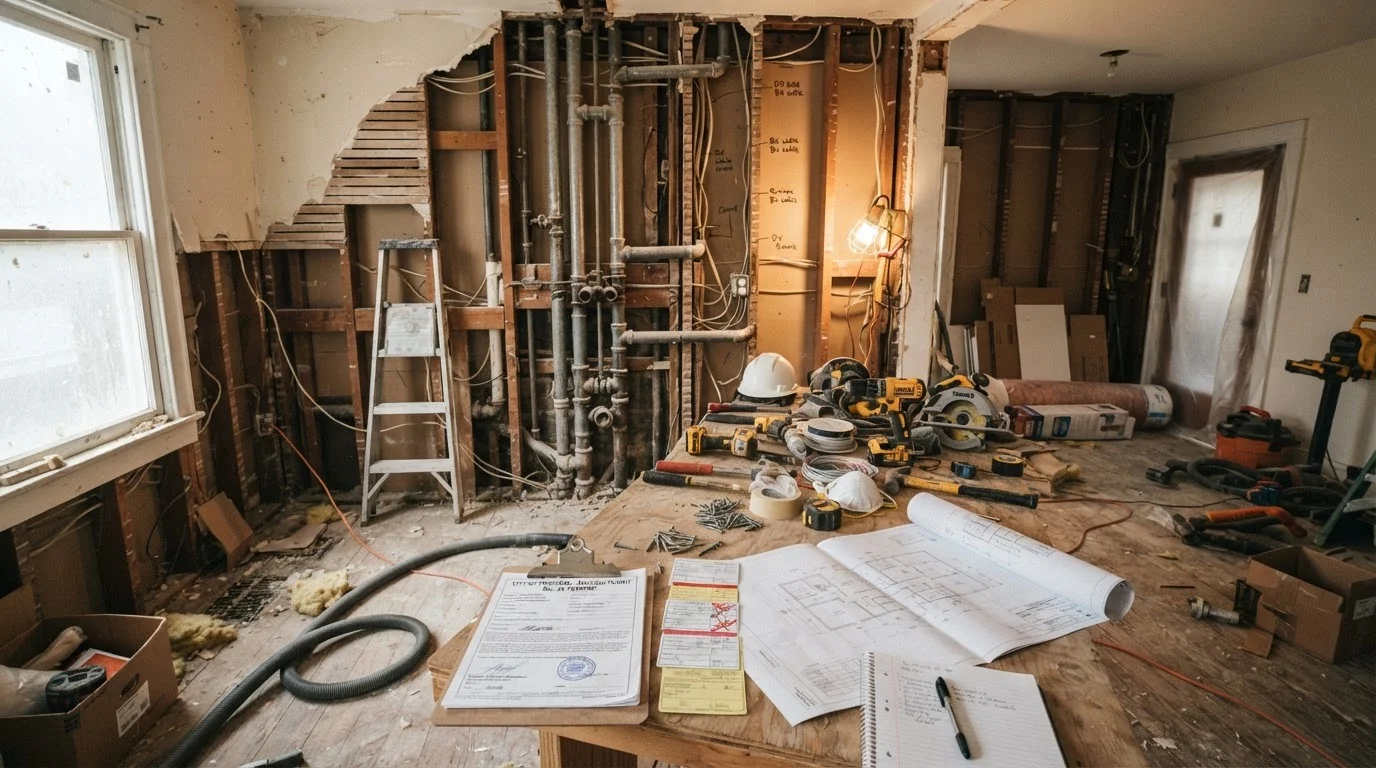
The most effective approach treats your home as a system. Fix the largest leaks first, then consider mechanical upgrades, and finally address envelope components like windows that deliver modest incremental savings. Before committing any budget, consider scheduling a home energy audit — a certified auditor uses blower-door tests and thermal imaging to show exactly where conditioned air is escaping. This data removes guesswork and helps you sequence investments intelligently. See also common budget pitfalls in renovation projects before finalizing any project scope.
Insulation and Air Sealing: Usually the Highest-Impact Starting Point
For most American homes built before the 1990s, adding insulation — particularly in the attic — and sealing air leaks around electrical penetrations, plumbing chases, and recessed lights delivers the most immediate reduction in heating and cooling costs. The U.S. Department of Energy has estimated that sealing air leaks and adding insulation can save homeowners roughly 15% on heating and cooling costs, though actual results vary based on climate, home age, and existing conditions.
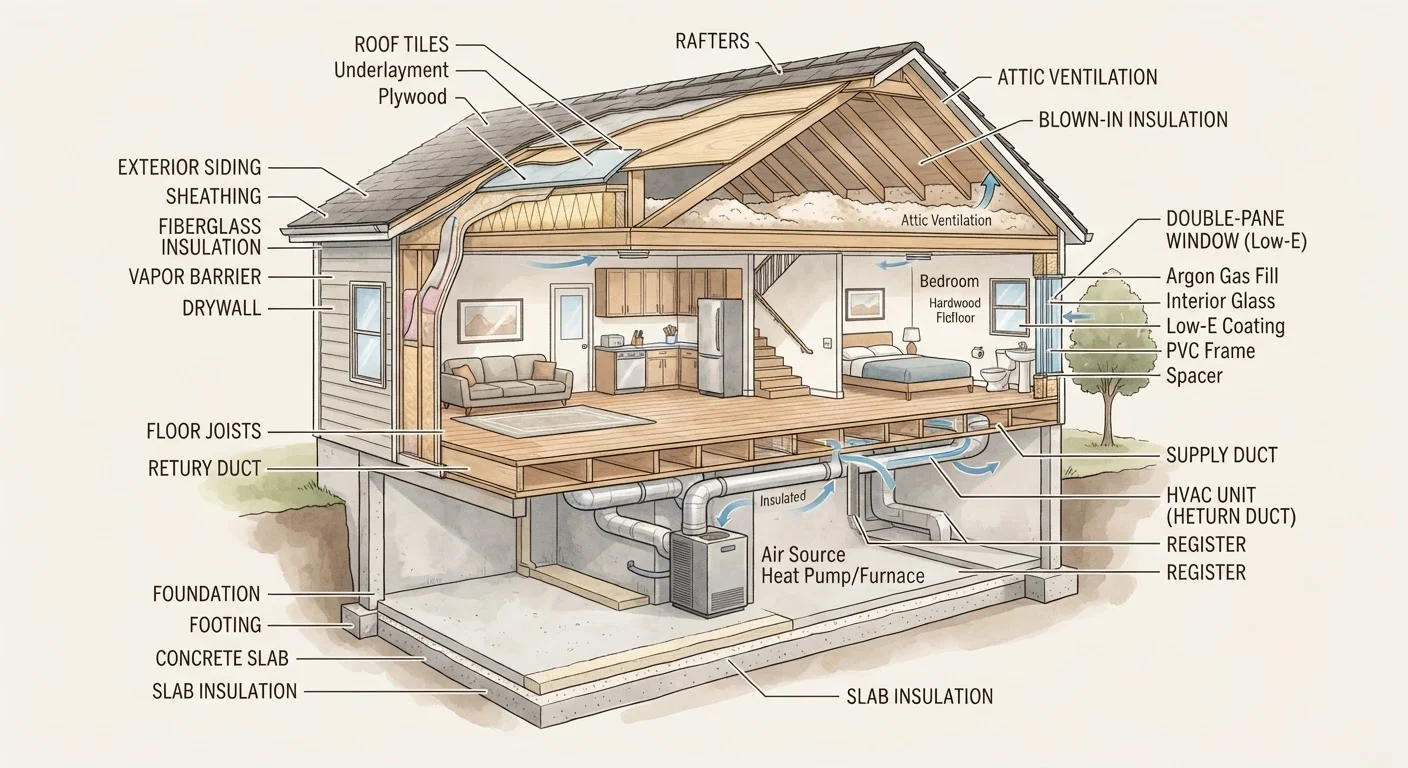
Attic insulation is typically the most cost-effective single upgrade. Material and installation costs vary by region and insulation type (blown fiberglass, cellulose, or spray foam), but the investment is generally recouped faster than windows or full HVAC replacement. Air sealing — often done in conjunction with insulation — addresses the stack effect that pulls cold air in at the base of a home and pushes warm air out at the top.
Get an Energy Audit Before You Spend
A certified home energy auditor can identify your home's biggest inefficiencies using diagnostic tools like blower-door tests and infrared cameras. This typically costs $200–$600 and can save you thousands by preventing misallocated upgrades. Many utilities subsidize or offer free audits — check your provider's website.
Walls and crawlspaces also benefit from insulation upgrades, though they involve more complex installation and higher costs than attic work. Prioritize attic and crawlspace before moving to wall cavities unless a major renovation already opens the walls.
Window Replacement: Real Benefits, Modest Energy Payback
Window replacement is one of the most frequently marketed home upgrades, but it is rarely the most cost-efficient energy investment. Replacing single-pane windows with double- or triple-pane, low-emissivity (low-E) units does reduce heat transfer — but because windows typically represent a smaller share of a well-sealed home's energy loss compared to ceilings and walls, the pure energy-bill savings often take many years to offset a full replacement project's cost.
Where windows genuinely earn their cost is in comfort, noise reduction, and reduced condensation. A drafty window seat or a room that overheats in summer is a quality-of-life problem as much as an energy one. If comfort is the primary driver, window upgrades are defensible. For resale considerations, not all renovations recoup their cost at resale — windows included.
| Insulation & Air Sealing | Window Replacement | HVAC Replacement | |
|---|---|---|---|
| Typical upfront cost | Low to moderate ($1,500–$5,000+) | High ($8,000–$20,000+ for whole home) | High ($5,000–$15,000+) |
| Energy savings potential | High — up to 15% on HVAC bills | Modest — incremental improvement | High — significant if replacing old equipment |
| Payback period | Relatively short (3–7 years typical) | Long (10–20+ years on energy alone) | Moderate (7–12 years depending on fuel costs) |
| Comfort improvement | Significant — fewer drafts and cold spots | Moderate — reduces drafts near glass | High — consistent temperature control |
| Best candidate homes | Older homes with little existing insulation | Homes with single-pane or failing windows | Homes with aging or failing HVAC systems |
| DIY feasibility | Partial — air sealing yes; insulation often pro | No — professional installation required | No — licensed contractor required |
HVAC Replacement: When the Equipment Is the Problem
Heating, ventilation, and air conditioning (HVAC) systems lose efficiency as they age. A central air conditioner or heat pump more than 15 years old, or a furnace more than 20 years old, is likely operating well below its rated efficiency — meaning it uses more energy to deliver the same conditioning as a newer unit. Replacing aging equipment with a high-efficiency model (look for ENERGY STAR-certified ratings as a benchmark) can significantly cut operating costs, particularly in climates with extreme summers or winters.
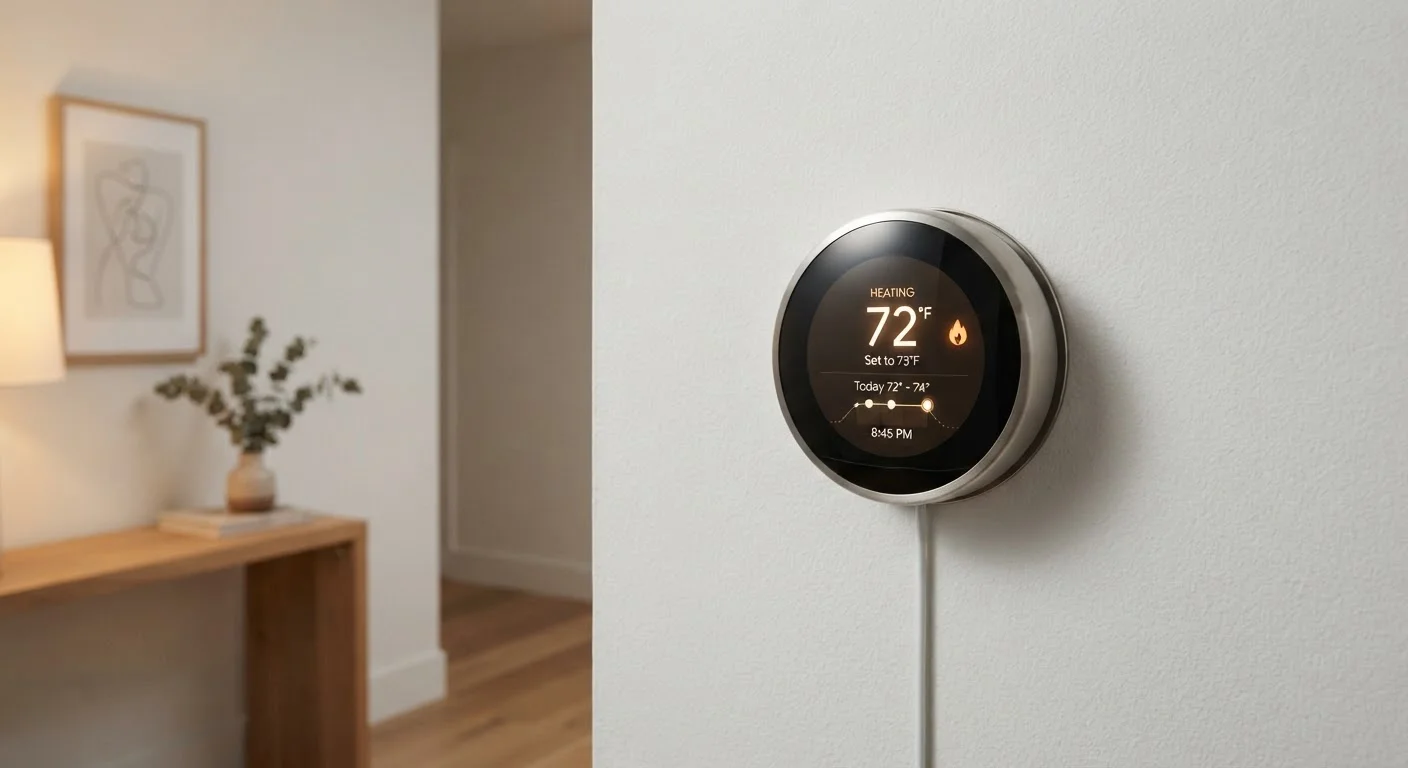
However, HVAC upgrades carry the highest upfront cost of the three categories and should not be rushed. An oversized or undersized system — a common error when homeowners simply swap like-for-like — will underperform and cycle inefficiently. A qualified HVAC contractor should perform a Manual J load calculation before sizing any replacement system. Smart thermostat integration can further improve efficiency; smart thermostats adapt to your schedule using learning algorithms, though it's worth understanding what data they collect.
If your HVAC system is relatively new and well-maintained, focus budget elsewhere. Regular filter changes, coil cleaning, and duct sealing can meaningfully improve an existing system's performance at a fraction of replacement cost. See annual maintenance tasks most owners overlook for a broader routine.
Financing and Tax Credit Considerations
Federal tax credits under the Inflation Reduction Act (IRA) extended incentives for qualifying energy upgrades including insulation, windows, and high-efficiency HVAC equipment. Credit amounts and eligibility rules can change, so confirm current details with a tax professional or the IRS website before assuming any specific benefit applies to your situation. State and utility rebate programs add further complexity — some utilities offer substantial rebates for heat pump installations or insulation projects that materially shift the economics of a given upgrade.
When budgeting any energy improvement, factor in financing costs honestly. A low-interest home equity loan or a utility on-bill financing program may make a larger project feasible without straining cash flow. A thorough budget review before committing to a major home improvement helps ensure the project fits your overall financial picture without creating new stress.
This article provides general educational information about home energy upgrades and does not constitute personalized financial, tax, or contracting advice. Consult a licensed contractor, certified energy auditor, and qualified tax professional before making decisions specific to your home and financial situation.