The Real Cost of Getting This Decision Wrong
Every homeowner faces the same calculation: spend money on a contractor, or invest time doing it yourself? The honest answer is that neither option is universally right — the correct choice depends on the specific project, your genuine skill level, local regulations, and what's actually at stake if something goes wrong.
The financial stakes are real in both directions. Overpaying a contractor for a simple job you could safely handle yourself wastes money. Attempting complex or regulated work without the proper qualifications can result in code violations, failed home inspections, voided insurance claims, or outright safety hazards. As our guide on hidden renovation costs explains, what homeowners routinely underestimate isn't just materials — it's the compounding price of fixing mistakes.
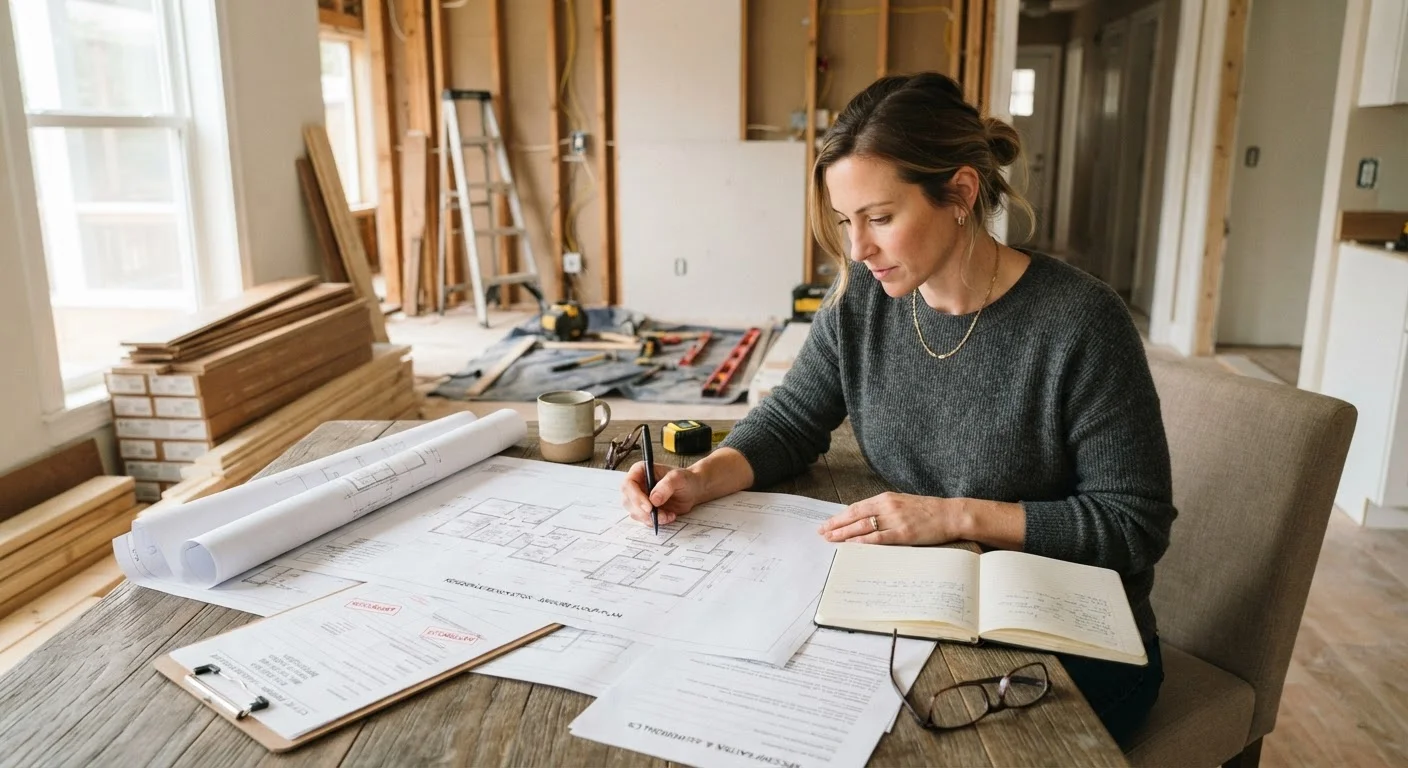
Before picking up a tool or calling a contractor, the most important step is an honest self-assessment — not of what you'd like to be capable of, but what you can demonstrably do well.
Where DIY Makes Genuine Sense
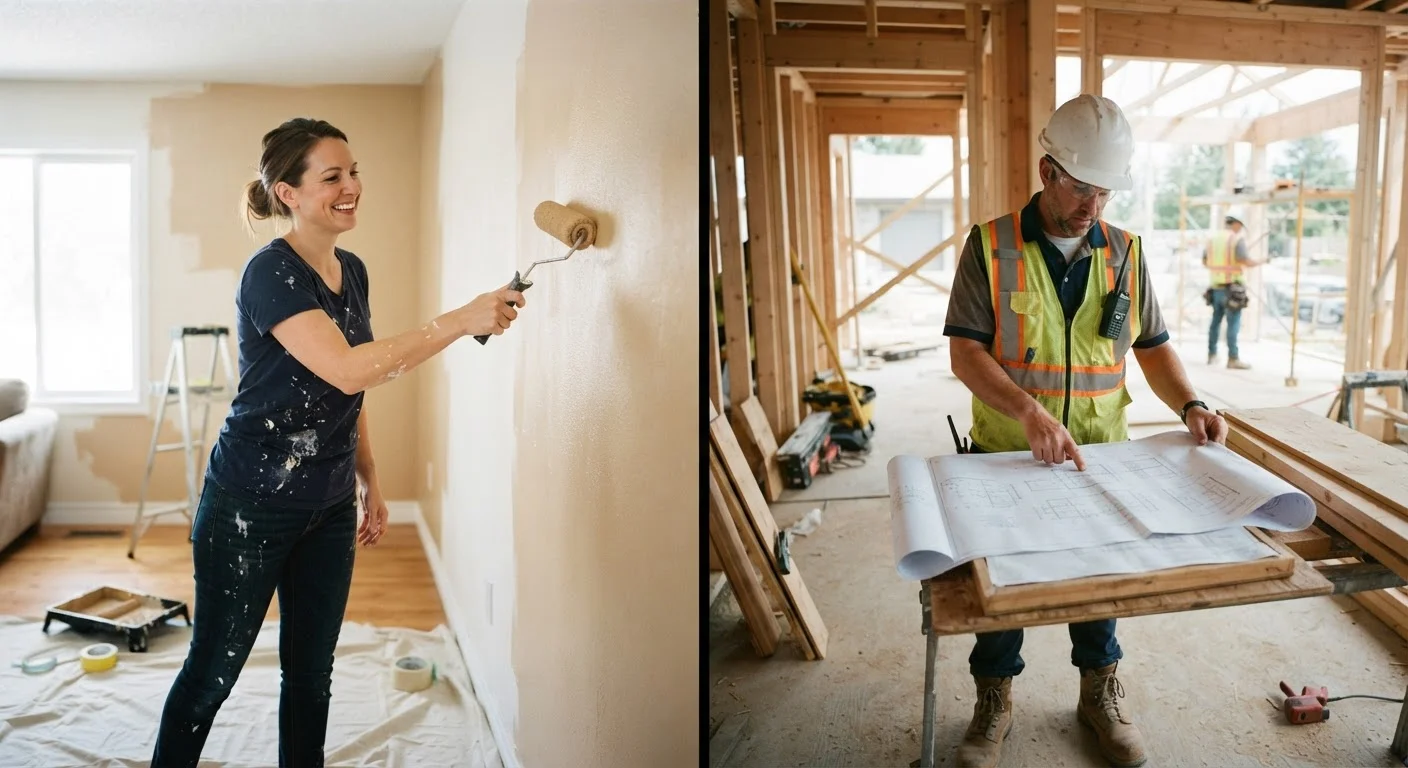
DIY is a legitimate and often smart choice for cosmetic and low-complexity projects where errors are reversible and no permit is required. Painting interior walls, replacing light fixtures on existing circuits, installing flooring over a prepared subfloor, caulking around tubs and windows, patching small drywall sections, and refreshing cabinet hardware are all well within reach for a homeowner who takes the time to research the steps and use proper tools.
The key criteria for a reasonable DIY project are straightforward:
- No permit is required. Low-risk cosmetic work typically falls outside permit requirements in most jurisdictions, though you should always verify locally.
- Mistakes are fixable without structural or safety consequences. A poorly painted wall can be repainted. An improperly wired subpanel is a fire hazard.
- You have, or can realistically acquire, the necessary skill. Watching one tutorial doesn't constitute expertise — be realistic about your learning curve.
- Your time has genuine availability. An underestimated project that drags on for months creates its own costs.
DIY also builds equity in the truest sense: homeowners who develop real maintenance and repair skills over time spend less on service calls and catch problems earlier.
Work That Belongs in a Professional's Hands
Certain categories of home improvement are not appropriate for unlicensed DIY work, regardless of confidence level. These aren't arbitrary restrictions — they reflect genuine risk to life, property, and legal standing.
| Criterion | DIY | Licensed Contractor |
|---|---|---|
| Upfront cost | Lower (labor is your time) | Higher (labor + overhead) |
| Risk of costly mistakes | Higher on complex jobs | Lower with vetted professionals |
| Permit eligibility | Limited to unpermitted work | Can pull and fulfill permits |
| Insurance coverage | Claim risk if improperly done | Carries own liability insurance |
| Resale impact | Risk if work is unpermitted | Documented, permitted work adds value |
| Suitable project types | Cosmetic, low-complexity | Structural, electrical, gas, roofing |
| Time commitment | Entirely your own | Managed by contractor schedule |
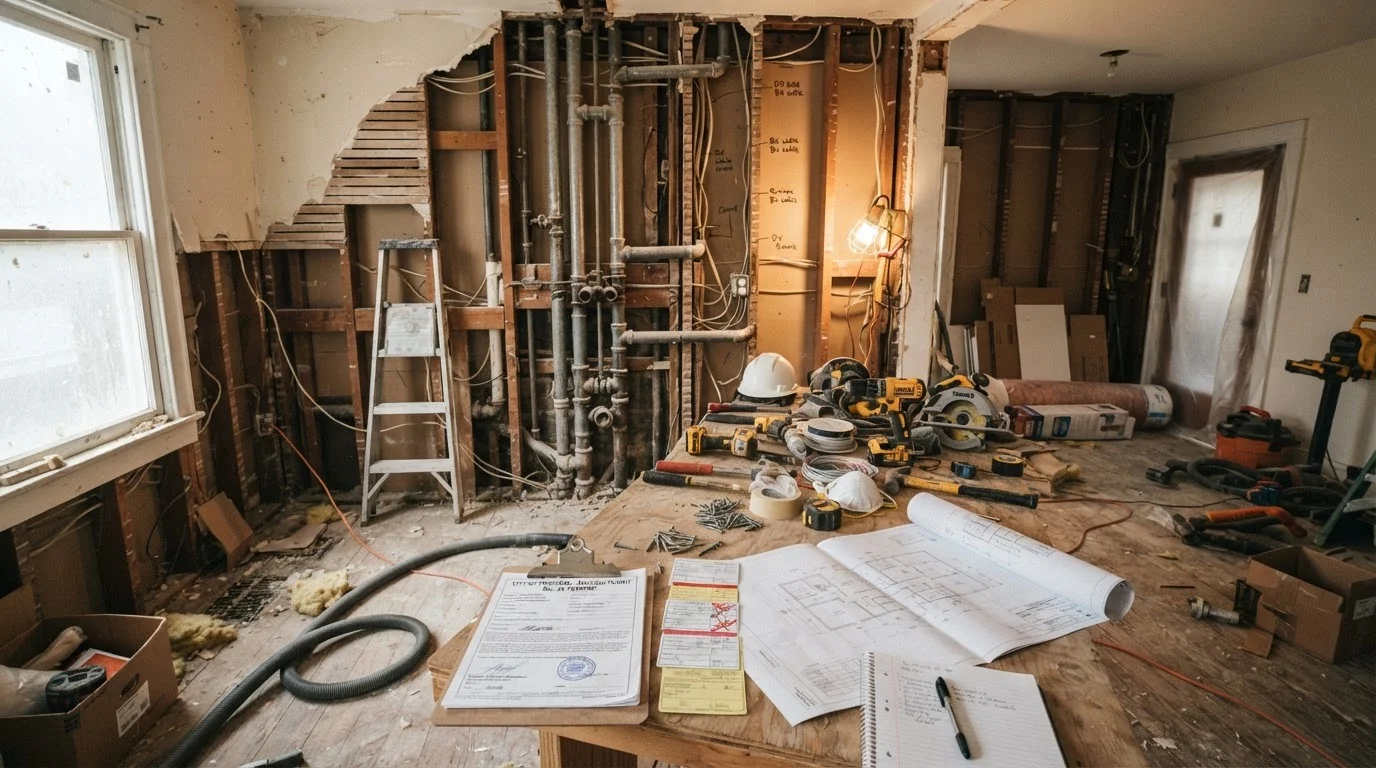
Electrical work beyond fixture swaps: Adding circuits, upgrading panels, or rewiring rooms requires permits and licensed electricians in virtually every U.S. jurisdiction. Improperly done electrical work is a leading cause of residential fires.
Gas line work: Any modification to gas supply lines — including moving appliances, adding connections, or repairing leaks — must be handled by a licensed professional. This is non-negotiable from both a safety and insurance standpoint.
Structural modifications: Removing or modifying load-bearing walls, altering roof framing, or adding structural openings requires engineering assessment and permitted contractor work. Guessing wrong here has catastrophic consequences.
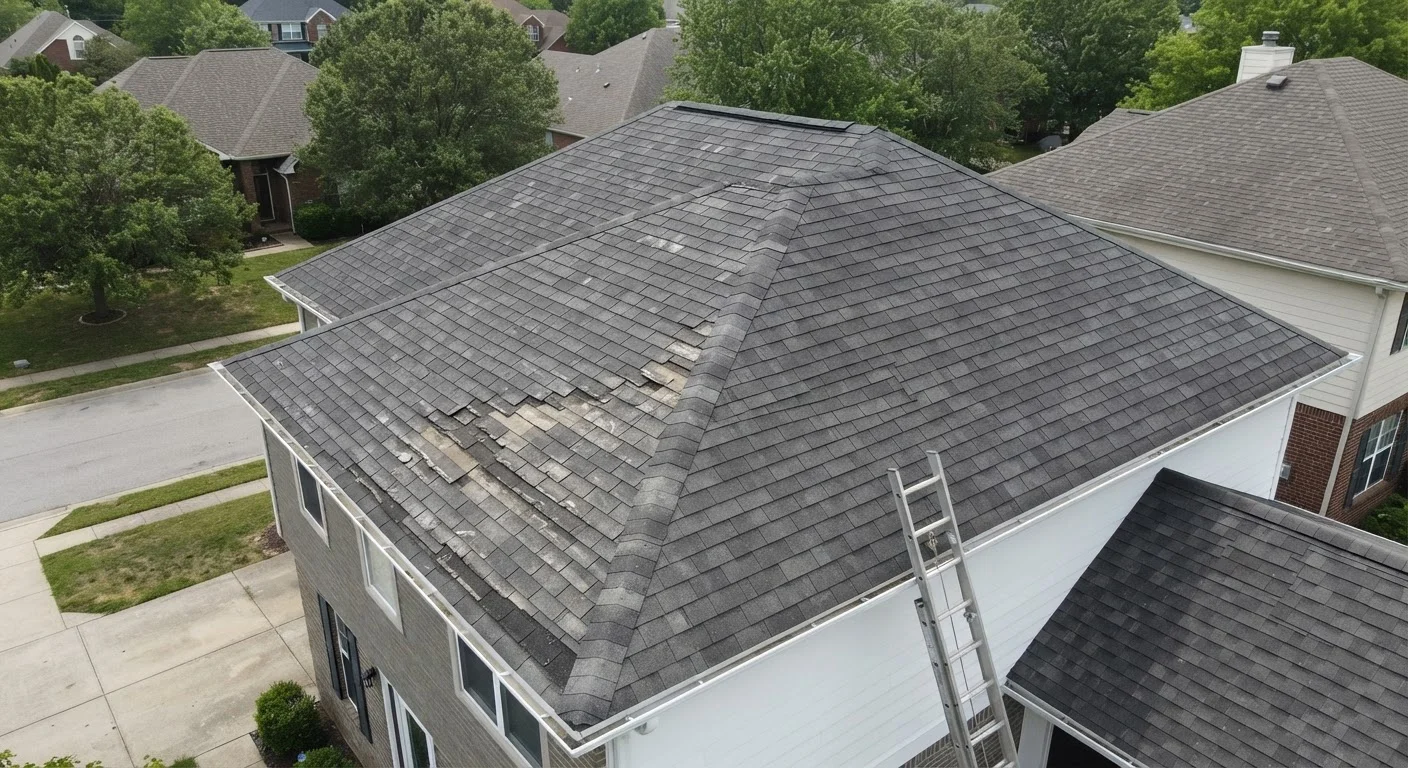
Roofing: Beyond minor cosmetic patching, roof work involves fall risk, waterproofing complexity, and manufacturer warranty requirements that typically mandate professional installation. See our guide on roof replacement decisions for a detailed look at when professional assessment is essential.
Major plumbing into mains: Connecting to main supply or sewer lines, moving drain stacks, or adding bathrooms requires licensed plumbers and permits in most states.
The Permit Question Changes Everything
One of the clearest signals that a project requires a licensed contractor is whether it needs a building permit. Permits exist to ensure work meets safety codes and is inspected by a qualified official. Skipping a required permit doesn't make the work disappear — it creates a record gap that surfaces at the worst possible time: during a home sale, refinance appraisal, or insurance claim.
Our detailed article on when permits are required covers this thoroughly, but the short version is this: if your project involves structural changes, new electrical circuits, plumbing modifications, HVAC additions, or room additions, assume a permit is required and verify with your local building department before starting.
Homeowner's Insurance and Unpermitted Work
Many homeowner's insurance policies contain exclusions for damage caused by unpermitted or improperly completed work. If a DIY electrical project causes a fire, your insurer may deny or reduce the claim on those grounds. Before starting any significant project, review your policy terms or contact your insurer to understand how coverage applies to owner-completed work.
When hiring out permitted work, verify that your contractor pulls the permit themselves — not you. A contractor who asks the homeowner to pull permits may be attempting to shift liability. This is a red flag worth taking seriously, as our piece on what low contractor bids can signal discusses in more depth.
This article provides general educational information about home improvement decisions and is not a substitute for advice from a licensed contractor, structural engineer, or local building authority. Always verify permit requirements and applicable codes with your local jurisdiction before beginning any renovation project.