The Allure of the Low Number
When three bids land in your inbox and one is several thousand dollars cheaper than the others, the temptation to go with it is real. Renovation budgets are tight, and saving money feels like smart stewardship. But a bid that stands far below the market rate almost always signals something worth investigating — not celebrating.
Contractors price jobs based on labor, materials, overhead, insurance, permits, and a reasonable profit margin. When a bid is dramatically lower, at least one of those line items is being cut. The question is which one — and whether that tradeoff is one you're willing to live with.
Just as extreme budget choices carry real tradeoffs, cutting to the lowest contractor bid often means accepting risks that aren't visible until the project is underway or, worse, after it's finished.
What a Low Bid Can Actually Signal
A suspiciously low estimate typically reflects one or more of the following problems:
- Unlicensed or underinsured labor. Licensed contractors carry workers' compensation and general liability insurance. Those policies cost money. A contractor who skips them can underprice competitors — but if a worker is injured on your property or causes damage, you may bear financial and legal exposure.
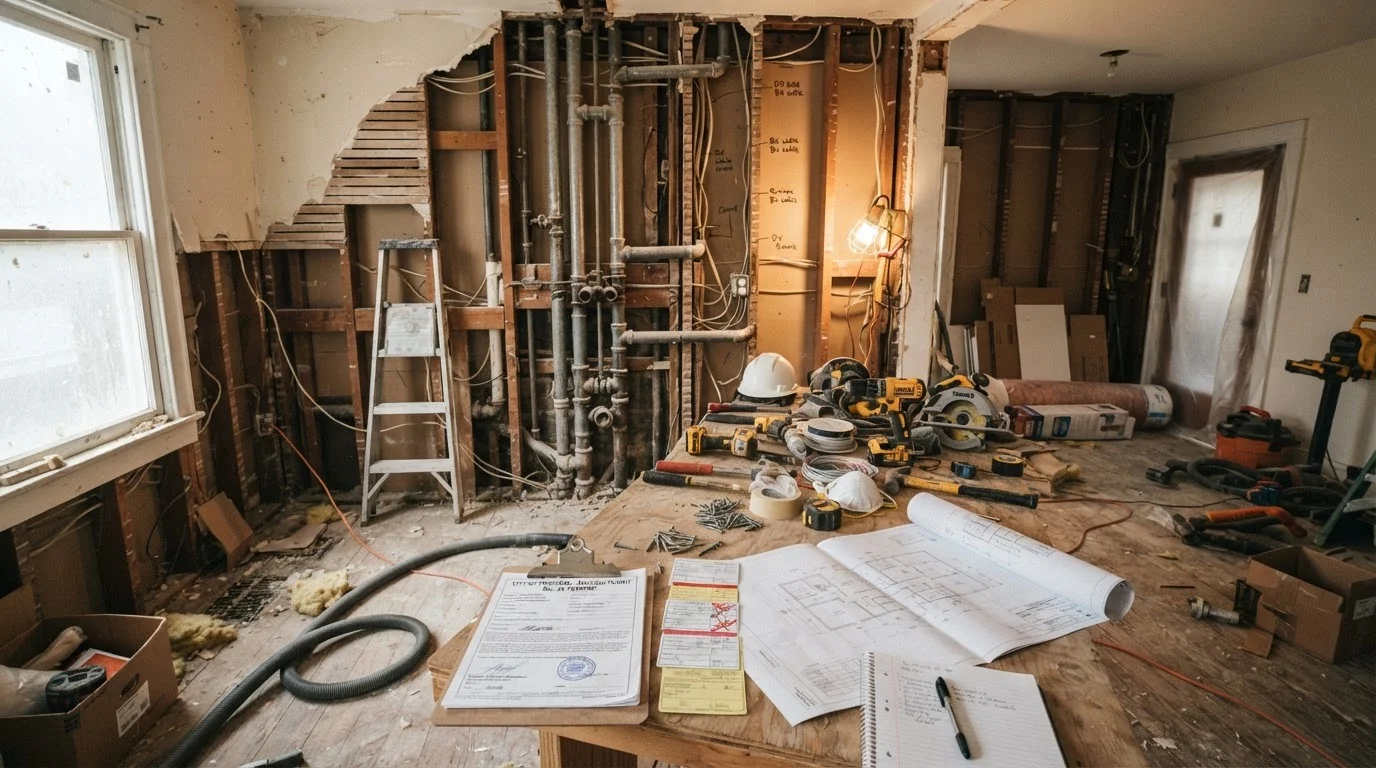
- Permit omissions. Pulling permits takes time and money. Some low-bidding contractors simply skip them. Unpermitted work can trigger fines, force you to open walls for inspection, or complicate a future sale. See our companion piece on hidden renovation costs that derail budgets for a fuller picture of permit-related surprises.
- Material substitutions. A quote that uses lesser-grade materials — thinner drywall, off-brand fixtures, substandard roofing underlayment — can price out well below one using specified materials. You may not know the switch happened until the product fails prematurely.
- Scope gaps. Low bids sometimes exclude tasks that the other quotes include — demolition, cleanup, surface prep, or finishing work. Without an itemized breakdown, you won't catch the omissions until change orders arrive mid-project.
How to Compare Quotes with Confidence
Meaningful comparison requires that every bid cover the same scope of work. Before soliciting quotes, prepare a written project description that specifies materials (by grade or brand where relevant), tasks, and expected outcomes. Hand the same document to every contractor.
When quotes arrive, ask for full itemization: labor hours, material costs, subcontractor fees, permit costs, and cleanup. If a contractor refuses to itemize, treat that as a red flag. Vague language like "all work as discussed" gives you little legal standing if a dispute arises. For guidance on when professional help is essential versus optional, our article on DIY vs. hiring a contractor outlines the key considerations.
Vetting a Contractor Before You Sign
Price is only one data point. A contractor's track record, credentials, and communication style matter at least as much. Before signing any agreement, verify the following:
- License status. Check your state's contractor licensing board directly — most maintain online lookup tools. Confirm the license is current and covers the type of work being done.
- Insurance certificates. Request a certificate of insurance naming you as an additional insured for the project duration. Call the insurer to confirm the policy is active.
- References from comparable projects. Ask for references from jobs similar in scope and value, completed within the past two years. Follow up by phone — ask specifically about how disputes or unexpected issues were handled.
- Contract clarity. A sound contract defines scope, materials, payment schedule, start and completion dates, change-order process, and dispute resolution. Never pay more than 10–30% upfront; final payment should be contingent on satisfactory completion.
This article provides general educational information about contractor selection and is not a substitute for legal or professional advice tailored to your specific situation. Consult a licensed contractor, attorney, or consumer protection resource for guidance on your project.