How Long Different Roofing Materials Actually Last
Material choice is the single biggest factor in how long a roof performs. Here's a practical breakdown of common roofing types and their typical expected lifespans under normal conditions:
- Three-tab asphalt shingles: 20–25 years
- Architectural (dimensional) asphalt shingles: 25–30 years
- Metal roofing (steel or aluminum panels): 40–70 years
- Clay or concrete tile: 50+ years (though the underlayment beneath may need replacement sooner)
- Wood shake: 20–30 years with consistent maintenance
- Slate: 75–100+ years when properly installed and maintained
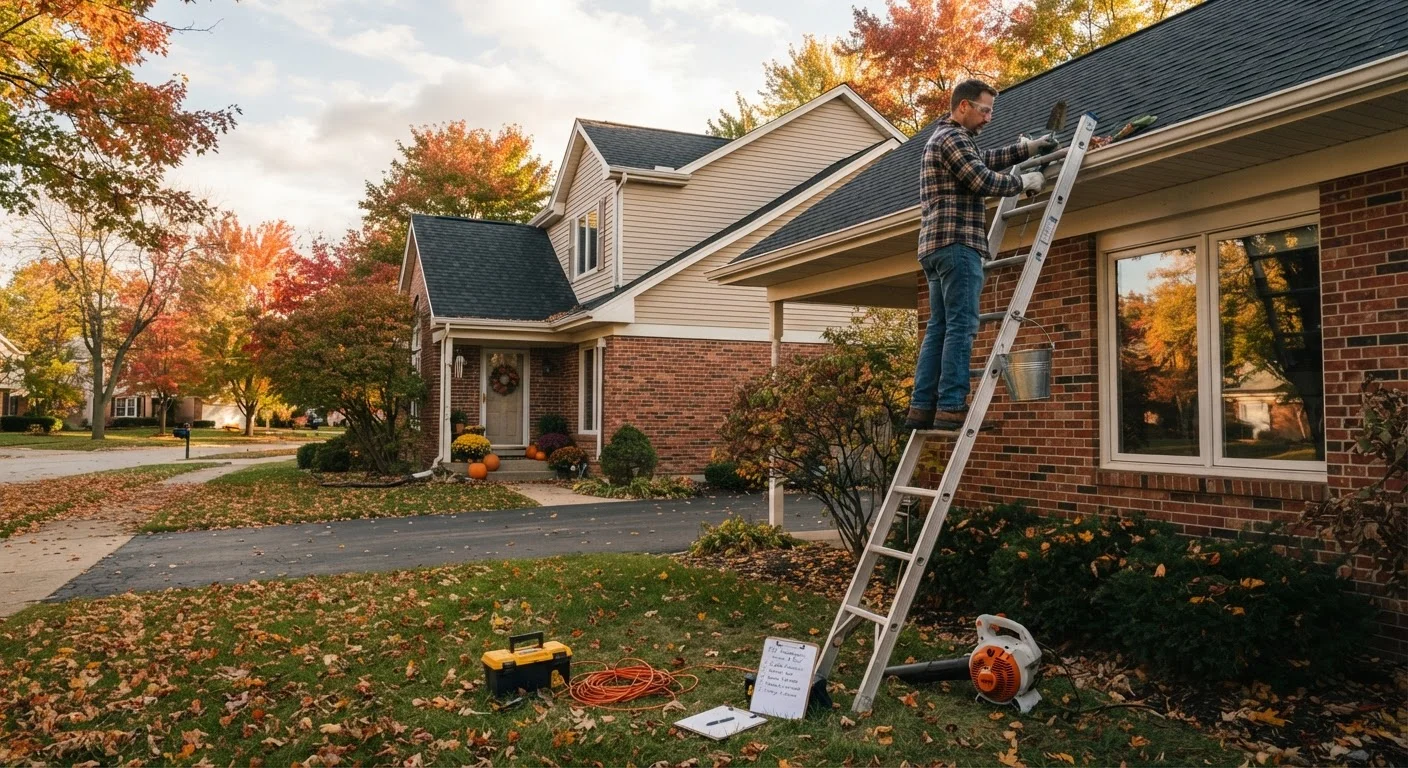
These figures assume reasonable maintenance and average climate exposure. A roof in a region with extreme heat, heavy snowfall, or frequent hail will typically age faster. Poor attic ventilation — which traps heat and moisture — can also shave years off any material's service life. As part of a broader annual home maintenance routine, checking your roof each year helps catch problems before they compound.
Warning Signs Your Roof Is Telling You Something
A roof doesn't fail all at once. It telegraphs trouble over time, and catching those signals early can make the difference between a manageable replacement and a structural emergency. Watch for these indicators:
Schedule a Professional Inspection First
Before drawing any conclusions from a visual inspection, have a licensed roofing contractor conduct a formal assessment — especially if you are buying or selling a home, or your roof is over 15 years old. A professional can identify underlayment condition, flashing integrity, and deck problems that aren't visible from the ground. Many contractors offer inspection services separately from replacement estimates.
Exterior Warning Signs
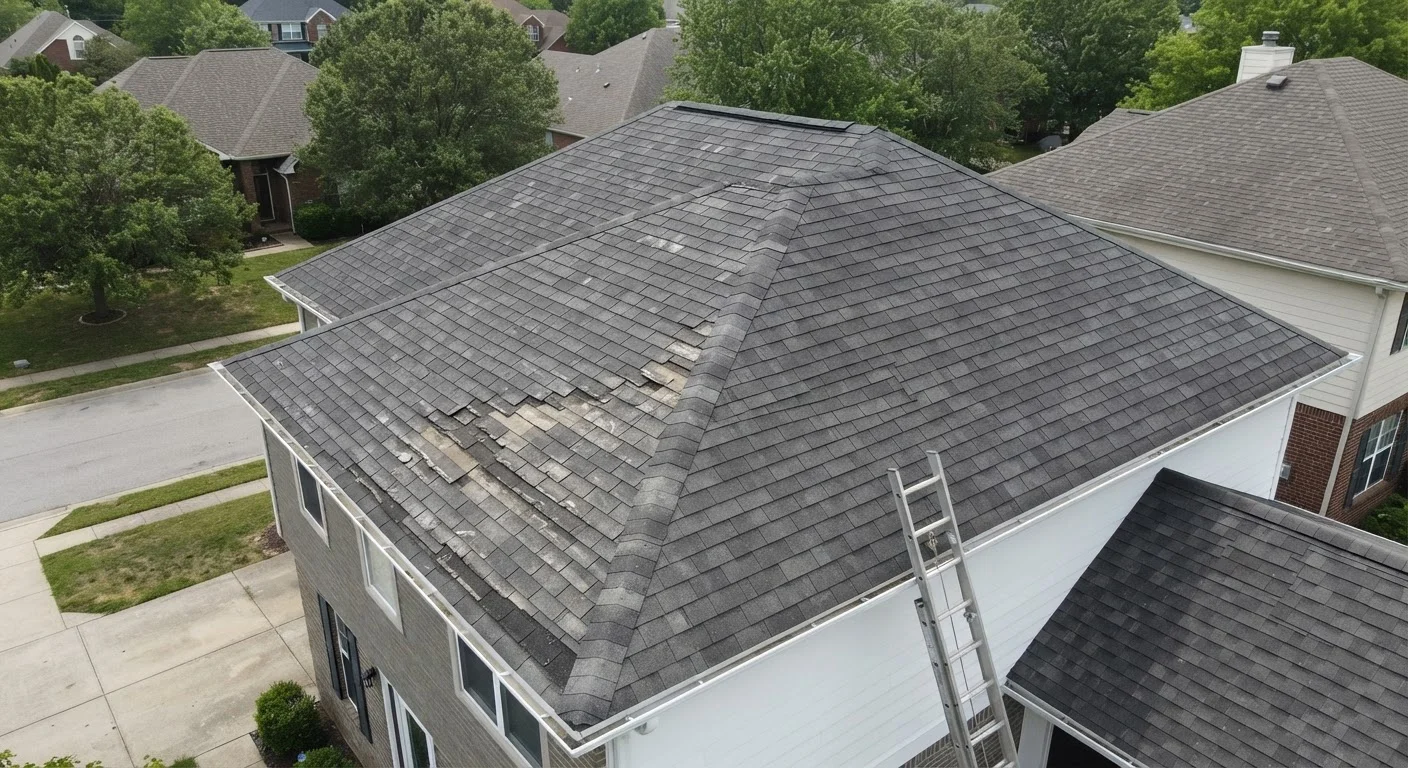
- Curling or buckling shingles: Shingles that cup upward at the edges or buckle in the middle have lost their structural integrity and are vulnerable to wind uplift and water infiltration.
- Missing shingles: Even one or two missing shingles expose the underlayment beneath to UV and moisture damage.
- Granule loss: Asphalt shingles shed their protective granules as they age. Check your gutters — heavy granule accumulation is a sign the shingles are near the end of their life.
- Moss or algae growth: While not immediately catastrophic, organic growth retains moisture and accelerates shingle deterioration if left untreated.
Interior Warning Signs
- Water stains on ceilings or walls: These almost always point to a roof or flashing failure. Trace the stain to its source before assuming you know where the leak originates.
- Daylight through the attic: Any visible light coming through the roof deck is a serious red flag.
- Sagging roof deck: A visibly sagging section suggests moisture has compromised the structural decking beneath the shingles.
Repair vs. Replacement: Where the Decision Turns
Not every roofing problem demands a full replacement. The calculus depends on the roof's age relative to its material lifespan, the scope of damage, and the cost comparison between a targeted repair and a full replacement.
A useful rule of thumb: if a roof is within the last 20–25% of its expected lifespan and the damage is widespread — not isolated to a small section — replacement typically delivers better long-term value than repeated repairs. Patching an aging roof can become a recurring cost that approaches or exceeds the price of replacement over just a few years.
Conversely, a 10-year-old architectural shingle roof with storm damage to one small section is a strong candidate for repair rather than replacement. The key is getting an honest assessment from a licensed, independent roofing contractor — not someone whose business model depends on maximizing project scope. For a broader framework on when to hire a professional versus attempt work yourself, see our guide on DIY vs. hiring a contractor.
Roof replacement is not a DIY project for most homeowners. Working on a roof involves significant fall hazards and requires knowledge of local building codes, proper flashing techniques, and permit requirements. Always hire a licensed, insured roofing contractor for replacement work.
Planning and Financing a Roof Replacement
A full roof replacement is one of the larger single expenses in homeownership. Costs vary considerably by geographic market, material, roof size and pitch, and whether the old roofing needs to be torn off before installation. Obtaining at least three written estimates from licensed contractors is standard practice before committing.
When budgeting, factor in:
- Permit fees (required in most jurisdictions)
- Tear-off and disposal of existing roofing material
- Any deck repair needed once the old roof is removed
- Flashing replacement around chimneys, vents, and skylights
Homeowners who need to finance the project have several structural options — from home equity lines of credit to personal loans — each with different cost profiles and qualification requirements. Our plain-language overview of home improvement financing explains how the main options work without recommending any specific product.
If your home is part of a larger financial decision — such as weighing whether to continue renting or commit to ownership — roof condition is one of the structural factors that directly affects long-term costs. Our article on renting vs. buying covers how to factor major maintenance realities into that decision.
20–30 yrs
Typical lifespan of asphalt shingle roofs
According to the National Roofing Contractors Association, most U.S. homes use asphalt shingles, which carry a general service life of 20 to 30 years depending on grade and climate.
$9,000–$22,000+
Typical cost range for full roof replacement
Industry cost surveys consistently show wide variation based on home size, roof pitch, material choice, and regional labor markets; always obtain multiple contractor estimates.
~65%
Of U.S. homes use asphalt shingle roofing
Asphalt shingles remain the dominant roofing material in the United States due to their relative cost-effectiveness and wide availability of installation contractors.
This article provides general educational information about roofing materials and maintenance. It is not a substitute for a professional inspection or advice tailored to your home's specific conditions. Always consult a licensed roofing contractor and your local building authority before undertaking replacement work.