Why Lodging Type Matters Before You Book
Not every place to sleep on the road is the same — and choosing the wrong category can mean paying for amenities you don't need or missing out on ones that matter. Understanding the structural differences between lodging types helps you match your expectations, budget, and travel style before you commit. For a deeper dive into where to book once you've chosen a category, see the breakdown of direct vs. third-party booking.
The categories below are the most common across the United States. Definitions can vary by brand and region, but the distinctions below reflect broadly accepted industry usage.
Hotels, Motels, Inns, and Hostels: What Sets Each Apart
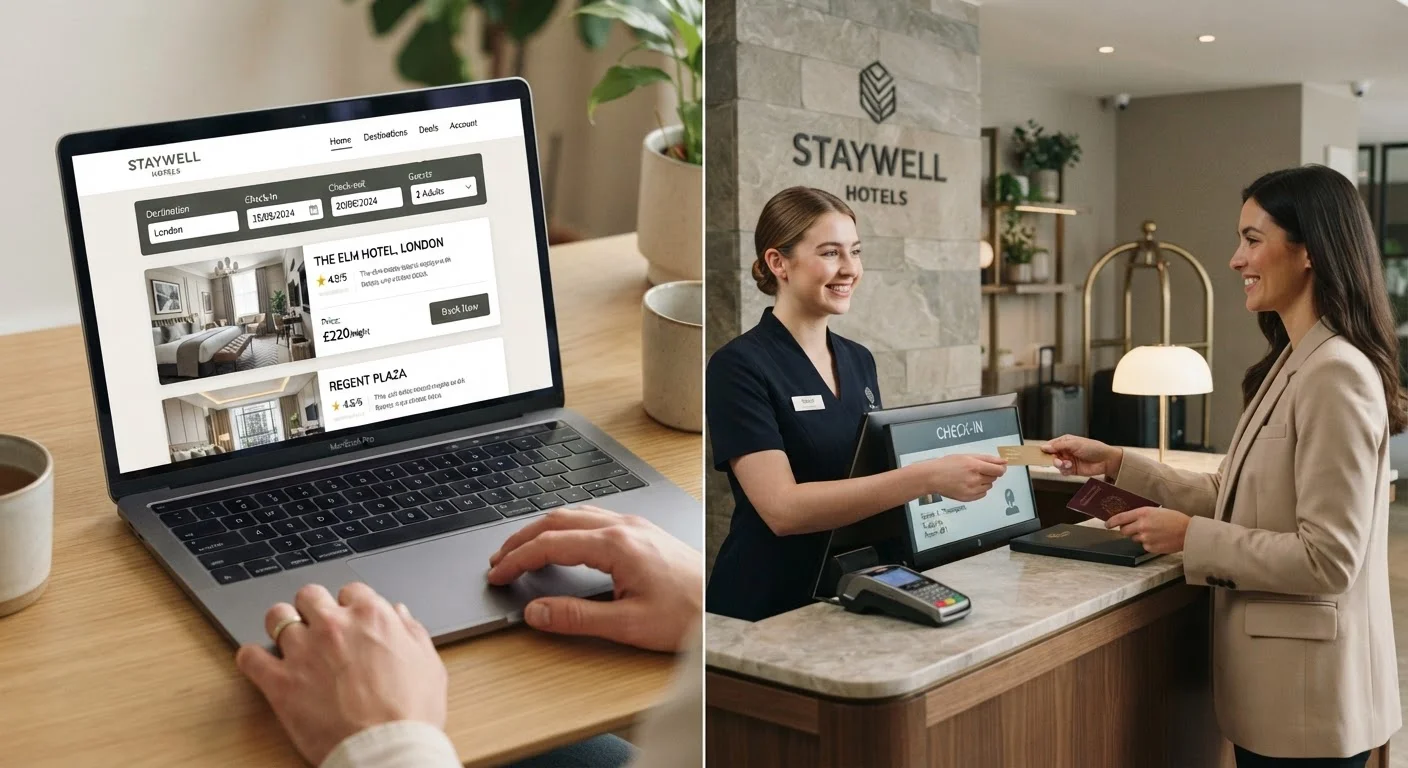
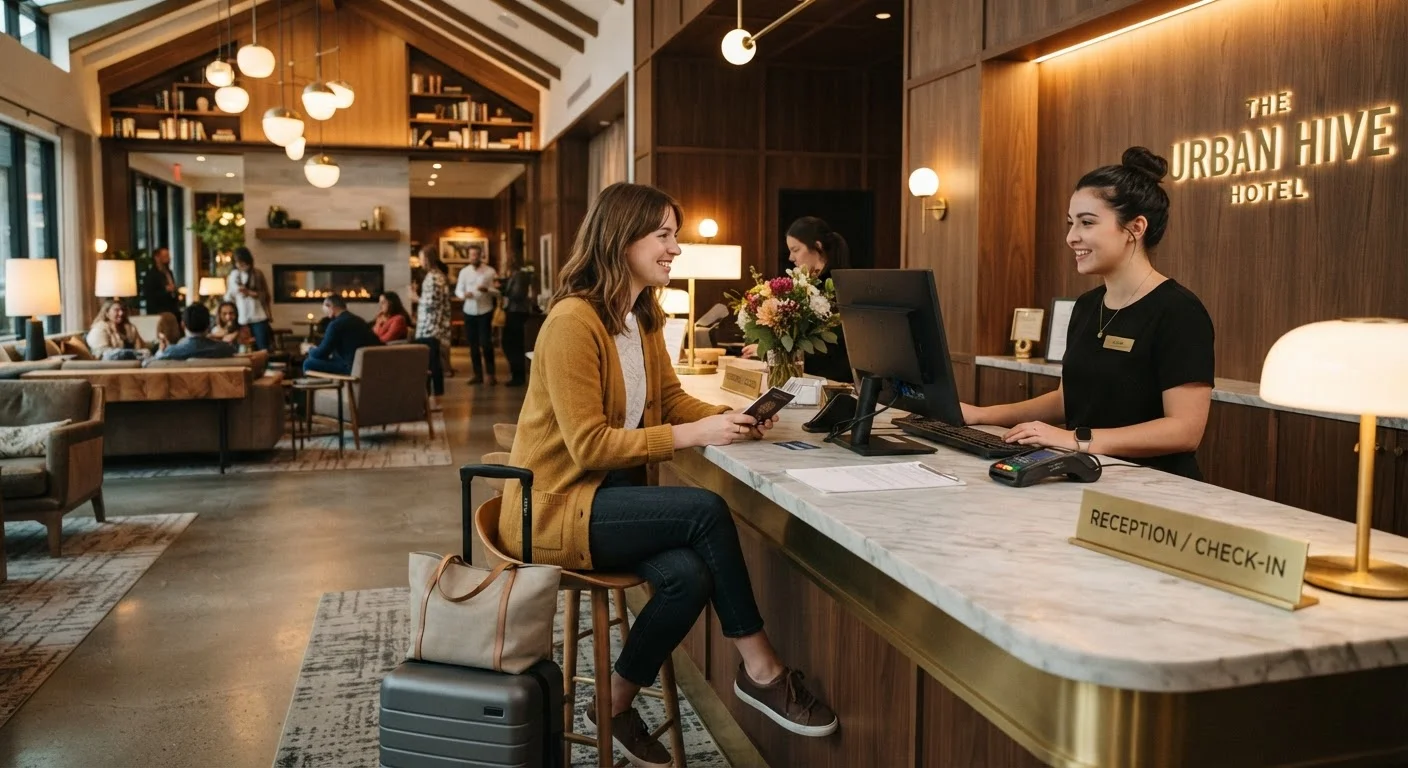
Hotels are full-service or limited-service properties with interior corridors, staffed front desks, and room service ranging from basic to luxury. They're categorized informally by star level (typically 1–5), though the U.S. has no single national rating authority. Hotels suit business travelers, families, and anyone prioritizing privacy and on-site amenities such as fitness centers, restaurants, or concierge services.
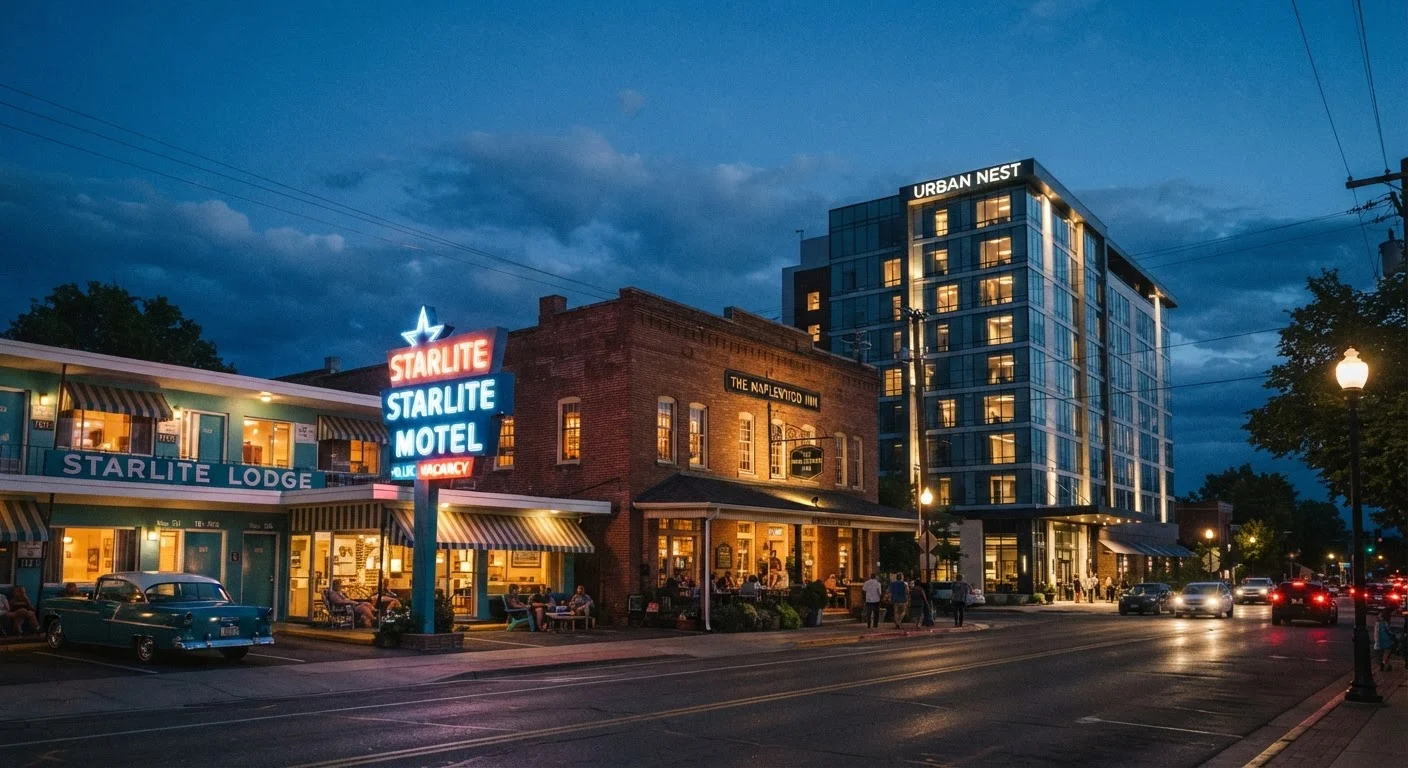
Motels (short for motor hotels) were designed for road-trippers: parking is steps from your room, check-in is quick, and the structure typically features exterior corridor access. Amenities are minimal by design. Motels work well for drivers making overnight stops who prioritize convenience and low nightly rates over services.
Inns are smaller, often independently owned properties — frequently historic — with a more personal atmosphere. Breakfast is commonly included. Bed-and-breakfasts (B&Bs) are a subset where the host usually lives on-site. Inns are a strong fit for travelers seeking local character and quieter surroundings, particularly in small towns or rural areas.
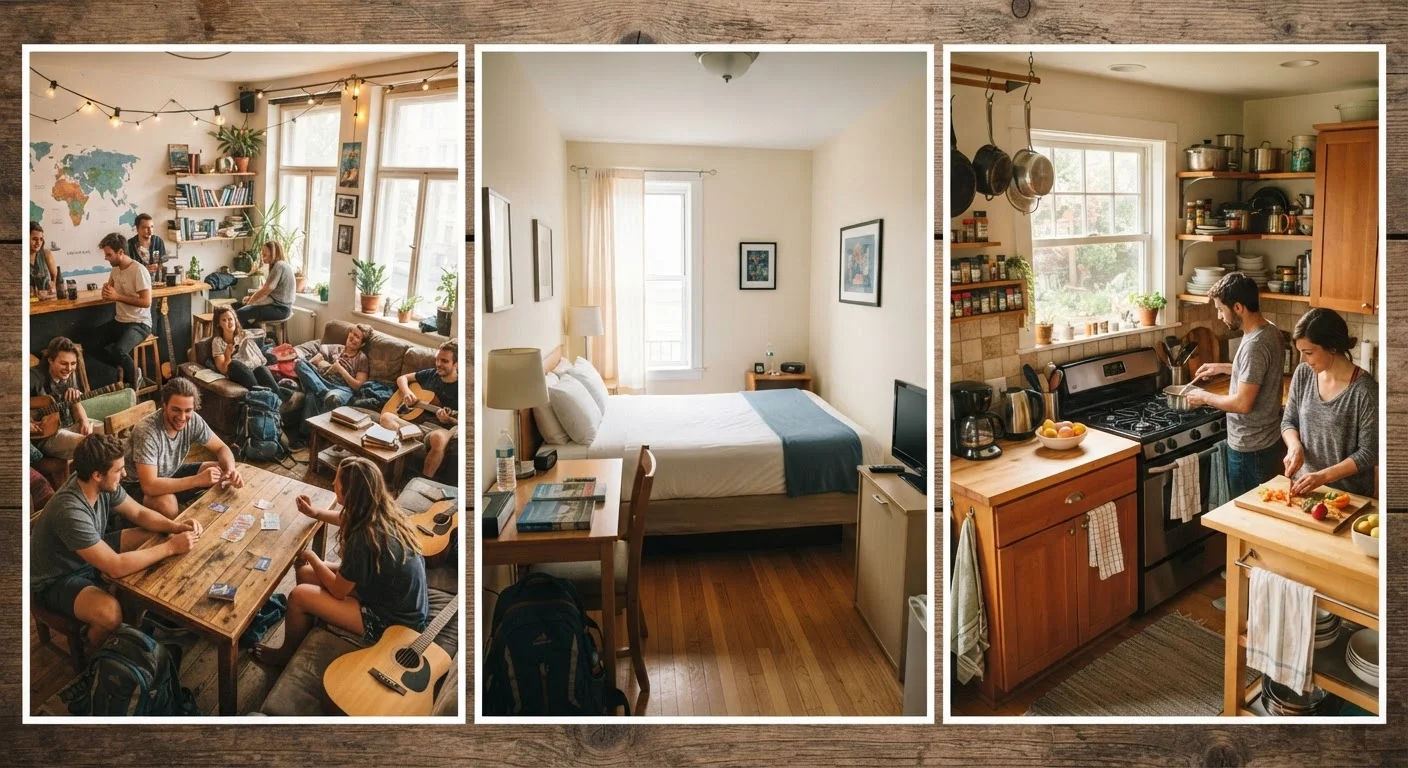
Hostels offer dormitory-style shared sleeping in bunk rooms alongside private room options, with communal kitchens, lounges, and bathrooms. They attract solo travelers and younger visitors prioritizing social atmosphere and cost efficiency. For a head-to-head comparison of hostels against other budget options, the guide to hostels, budget hotels, and vacation rentals covers the key trade-offs in detail.
Extended-stay hotels bridge the gap between hotels and apartments, offering in-room kitchenettes and weekly or monthly rates — useful for workers on assignment or families in transition. Boutique hotels are independently operated or small-chain properties with distinctive design and a curated local feel, typically mid-to-upscale in price. Resort hotels bundle lodging with leisure facilities — pools, spas, golf, beachfront access — and often charge daily resort fees on top of the room rate.
If you're still building your booking confidence, the first-time hotel booker's handbook walks through the full process from search to checkout.
Matching Lodging Type to Your Travel Situation
No single lodging type is universally superior — the right choice depends on your priorities for a specific trip.
- Solo budget travel: Hostels or basic motels keep costs down while putting you in proximity to other travelers or highway access.
- Family road trip: Extended-stay hotels or mid-scale hotels with free breakfast and interior corridors offer comfort and practicality.
- Weekend getaway as a couple: A B&B or boutique hotel often delivers more memorable character than a chain property at a comparable price.
- Business travel: Full-service hotels near business districts or airports, with reliable Wi-Fi, workspaces, and loyalty programs, are the standard choice.
- Long assignment or relocation: Extended-stay properties reduce per-night cost significantly and allow home-like routines.
Before finalizing any booking, review what's included in the rate — parking fees, resort fees, and Wi-Fi charges can meaningfully shift the total cost. Once you've settled on a lodging type, the packing guide for hotel stays can help you arrive prepared regardless of the property's amenity level. For broader trip-planning guidance, Smarter Travel covers booking, budgeting, and navigating trips more efficiently.
Full-service hotel
A hotel offering on-site dining, room service, concierge, and typically a range of amenities such as a pool or fitness center. Guests pay a premium for this breadth of services.
Limited-service hotel
A hotel providing essential amenities — a room, front desk, and often continental breakfast — without full on-site dining or staffed services. Common in budget and mid-scale segments.
Resort fee
A mandatory daily charge added by resort or upscale hotels on top of the room rate, meant to cover amenities like Wi-Fi, pool access, or gym use. It is separate from taxes.
Extended-stay hotel
A lodging property designed for stays of a week or longer, featuring in-room kitchenettes and discounted weekly or monthly rates compared to standard nightly pricing.
Bed-and-breakfast (B&B)
A small, privately owned lodging — often in a historic or residential home — where the nightly rate includes breakfast. The host may live on the property.
Boutique hotel
A smaller, independently operated or small-chain hotel emphasizing distinctive design, local character, and a personalized guest experience over standardized amenities.