The Problem a Soundbar Is Solving
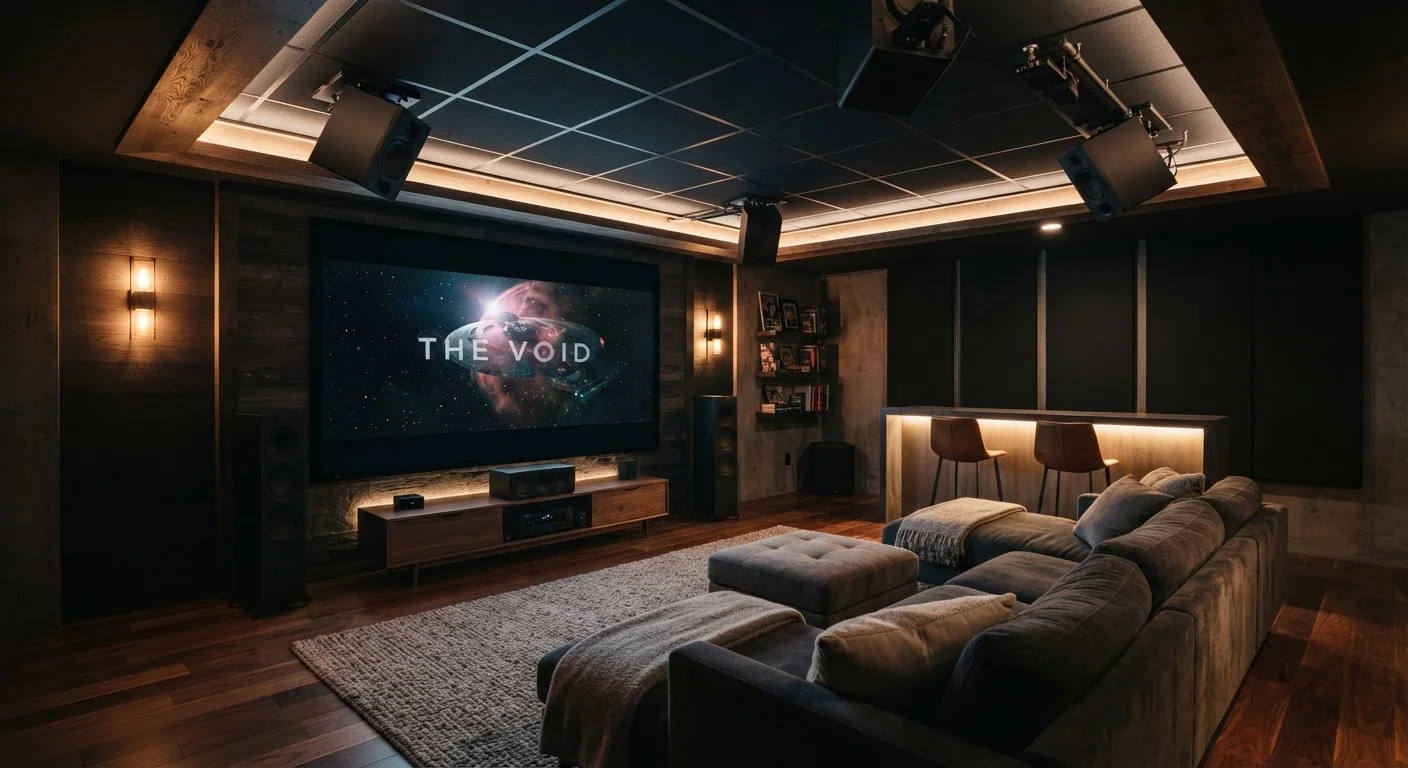
A traditional home theater surround system uses five, seven, or more speakers carefully positioned around the room — front left, front right, center, rear left, rear right, and sometimes height channels overhead. Each speaker delivers a discrete audio channel so that a gunshot in a film snaps to the rear left corner because sound is actually playing from that corner.
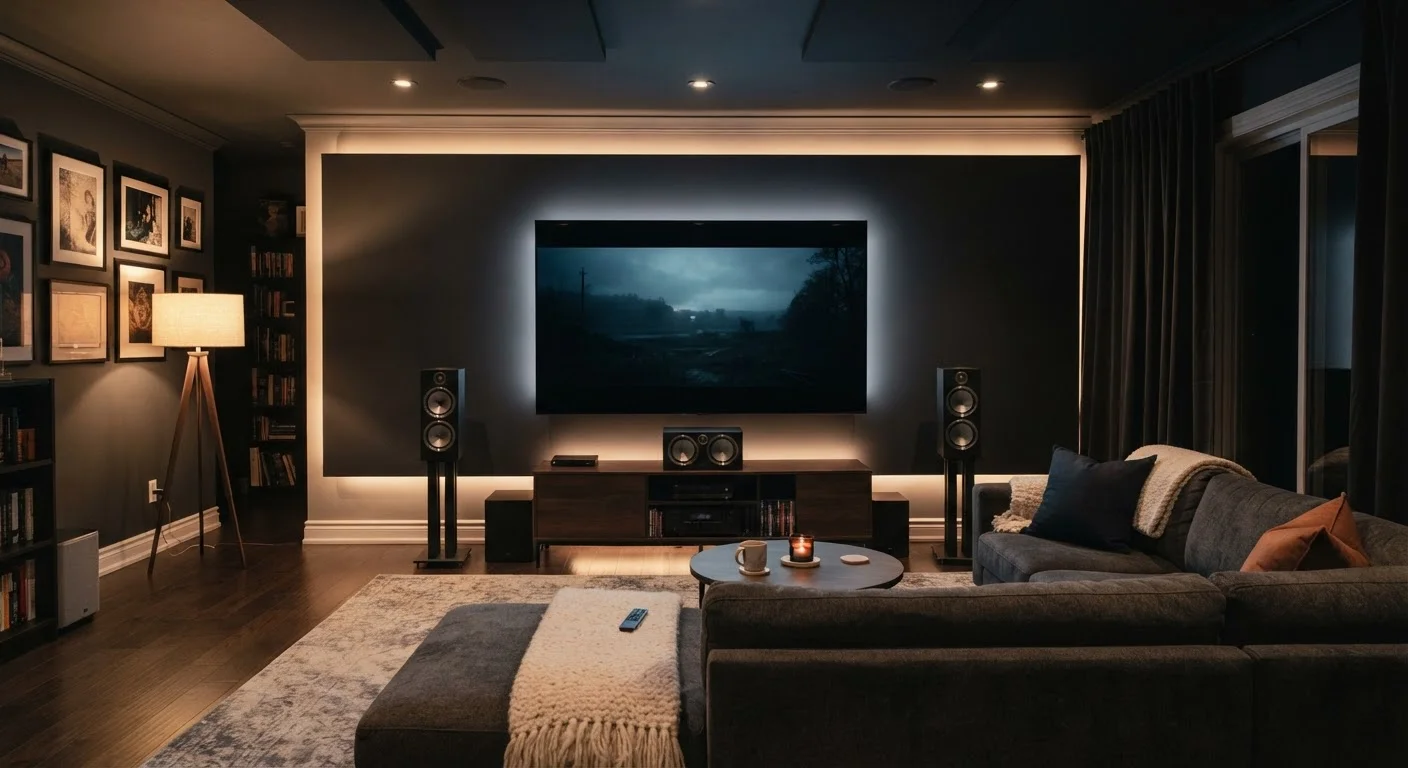
A soundbar collapses all of that into a slim bar typically positioned below your TV. It has two, three, or sometimes more internal speaker drivers, but they are all facing roughly the same direction. So how does it make sound feel like it is surrounding you? The answer lies not in physics, but in biology.
How Your Brain Locates Sound
Your auditory system is remarkably good at figuring out where a sound originates, even without seeing its source. It does this using two primary cues:
- Interaural Time Difference (ITD): Sound from your left reaches your left ear a fraction of a millisecond before your right ear. Your brain reads that tiny delay as a directional signal.
- Interaural Level Difference (ILD): The ear closest to a sound source hears it slightly louder. Your brain interprets that volume imbalance as location information.
Beyond simple left-right detection, your outer ear — the curved, ridged structure called the pinna — subtly filters sound differently depending on whether it arrives from in front, behind, above, or below. Your brain has learned to decode these tonal changes as height and depth cues. Scientists catalog these filtering patterns as Head-Related Transfer Functions (HRTFs).
“The ear is not simply a microphone — it is a direction-finding device. The shape of the pinna, the spacing of the ears, even the shape of the head all contribute to a continuous, automatic calculation of where sound originates.”
— Jens Blauert, Professor emeritus of communication acoustics and author of foundational research on spatial hearing
What DSP Actually Does to the Signal
A soundbar's digital signal processor intercepts the incoming audio — say, a 5.1 surround mix from a streaming service — and mathematically transforms each channel before sending it to the physical drivers. For a sound meant to appear behind you and to the right, the DSP applies a set of HRTF-derived filters: it introduces the right amount of time delay, adjusts the frequency content to mimic how your pinna would colour a rearward sound, and slightly reduces volume compared to front-facing signals.
The result arriving at your ears contains the same acoustic fingerprints your brain expects from a sound at that location. Because your brain evolved to trust those cues, it interprets the processed signal as coming from behind you — even though the speaker in front of you produced it.
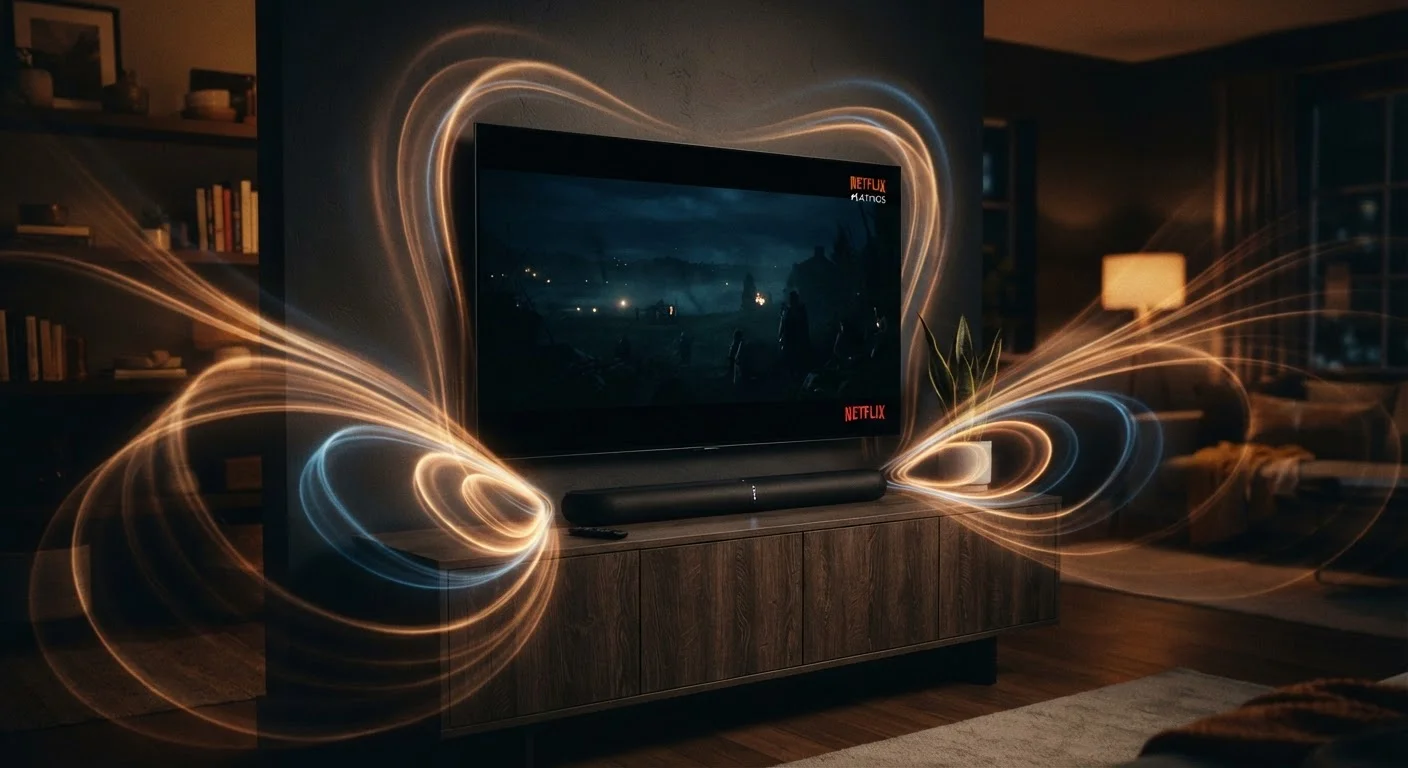
Some soundbars go a step further by including angled side-firing or upward-firing drivers. These physically bounce sound off walls and ceilings so that reflections reach your ears from genuinely different directions, strengthening the illusion. For object-based formats like Dolby Atmos, upward-firing drivers specifically target ceiling reflections to simulate overhead height. See how this differs from traditional approaches in our Dolby Atmos vs. surround sound explainer.
The Limits of the Illusion
Virtual surround is genuinely impressive, but it is not identical to discrete speaker placement. HRTF data used in soundbars is generalised — averaged across many people — because individual ear shapes vary. If your personal pinna filtering patterns differ significantly from the model, the illusion degrades. Some listeners find rear positioning convincing; others hear what sounds like elevated, vaguely ambient audio rather than a precise location behind them.
Room acoustics also matter. Virtual surround that relies on wall reflections depends on having walls at the right distances and with enough reflectivity. Heavily carpeted rooms with thick curtains absorb reflections rather than bouncing them, which can flatten the effect. Conversely, rooms with hard surfaces can produce so many reflections that the carefully crafted DSP timing smears into muddiness.
If you are weighing a soundbar against a full setup, our guide on setting up a home theater walks through room factors worth considering before committing to any audio approach.
HRTF Personalisation Is an Emerging Feature
Some higher-end audio products and streaming services are beginning to offer personalised HRTF calibration using smartphone camera scans of the listener's ears. This produces a custom filter profile rather than a generalised average, which can significantly improve the precision of the spatial illusion. The technology is still relatively new and not yet common in mainstream soundbars, but it represents the direction the industry is moving.
Why the Technology Still Holds Up
Despite those limitations, virtual surround has become considerably more convincing as DSP hardware has grown more powerful. Modern soundbars can process audio in real time with very low latency, applying hundreds of filter operations per second. Some models also use microphones to measure how sound reflects in your specific room and then automatically adjust the processing to match — a technique called room correction or acoustic calibration.
For most viewers watching films, TV dramas, or streaming content from the couch, a well-engineered soundbar delivers a far wider and more enveloping soundstage than flat TV speakers, without the installation complexity of a multi-speaker rig. The psychoacoustic trick works well enough, often enough, that it has become the dominant way most households experience improved TV audio. Understanding that it is a trick — and a clever one — helps you set realistic expectations and choose a setup that suits your room and listening habits.
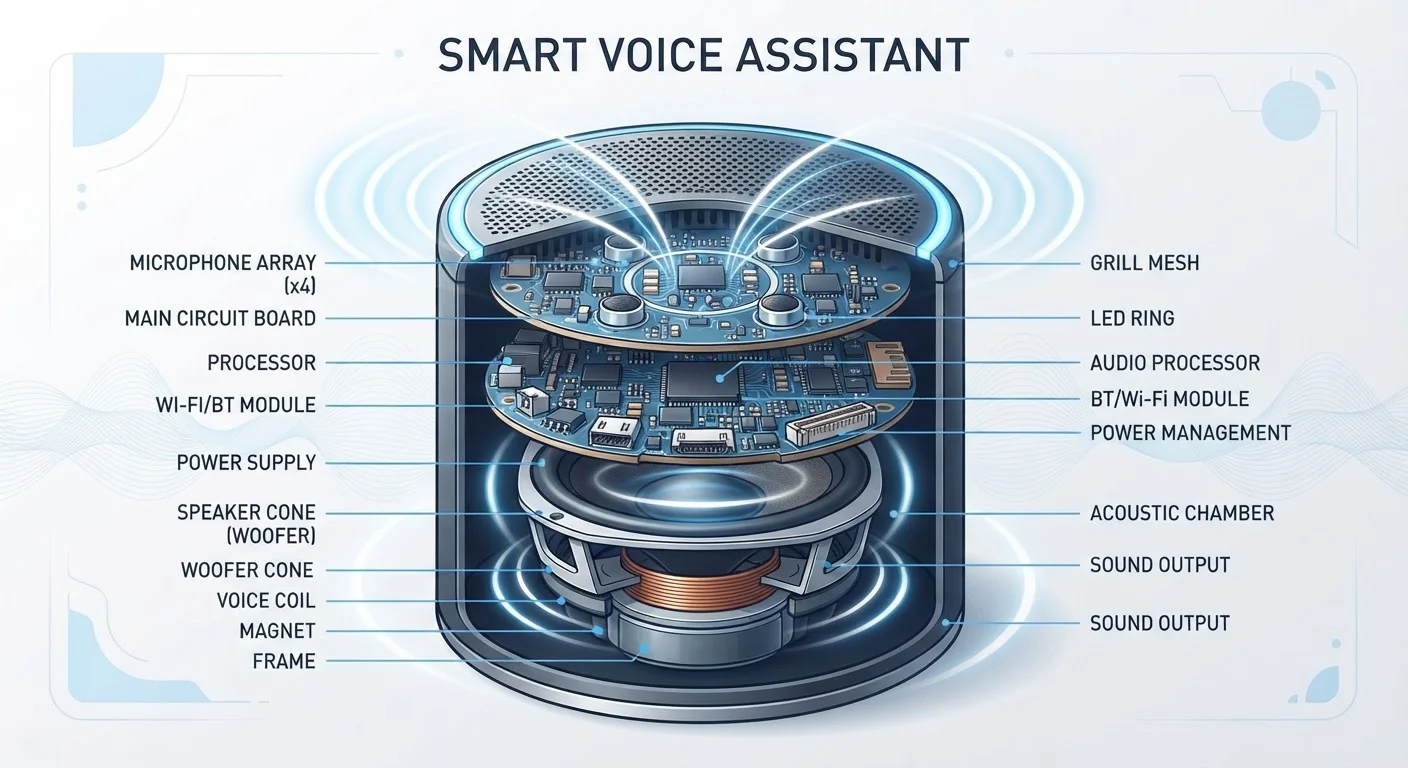
Interested in how other household audio devices process sound? Our explainer on how smart speakers hear and process voice commands covers a related corner of home audio technology.