The Core Format: How the Experience Is Structured
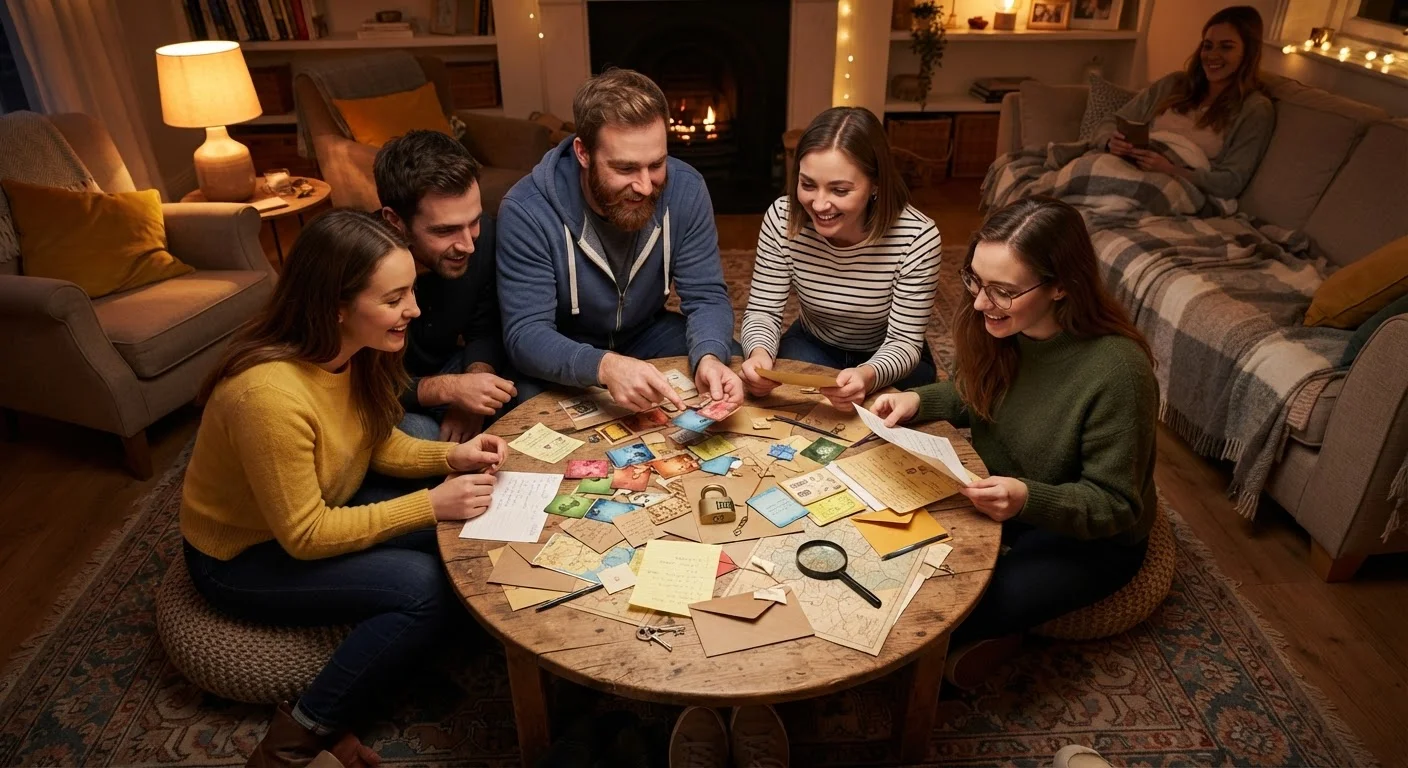
At its heart, a home escape room game presents players with a fictional crisis — a mystery to solve, a vault to crack, a conspiracy to unravel — and a clock counting down. Players sift through a collection of physical materials: cards printed with ciphers, envelopes that unlock only when you find the right code, maps with hidden markings, and story sheets that drip-feed the narrative as puzzles are solved.
The structure is typically linear or semi-linear. In a linear game, solving puzzle A unlocks puzzle B, which unlocks puzzle C, and so on to the finale. Semi-linear designs let players work on several puzzle threads simultaneously, which rewards larger groups where different people can tackle different problems at the same time. Both approaches are designed to build tension as the time limit shrinks.
Hint systems are a defining feature of the format. Unlike a real escape room where a game master watches via camera and radios in help, home versions usually provide a printed hint booklet, a QR code, or an app-based hint tool. Using a hint rarely ends the game — it just nudges you past a sticking point so the fun doesn't stall.
Read the Rulebook Fully Before Starting
It sounds obvious, but skipping the setup instructions is the number one reason groups get confused in the first 10 minutes. Most home escape room games have a short rulebook (2–4 pages) that explains exactly how components interact, when to open envelopes, and how the hint system works. A five-minute group read-through before the timer starts pays dividends all game long.
The Main Formats You'll Encounter
Home escape room experiences have evolved into several distinct formats, each with tradeoffs worth understanding before you commit.
Boxed Tabletop Games
These arrive as physical boxes containing all puzzle components — cards, booklets, envelopes, and often a decoder tool or UV pen. They're fully self-contained and need no screen or internet connection. The downside is that they're generally single-use: once you've solved them, the magic is gone for you personally, though they can be passed along to friends.
Puzzle Hunt Books and Booklets
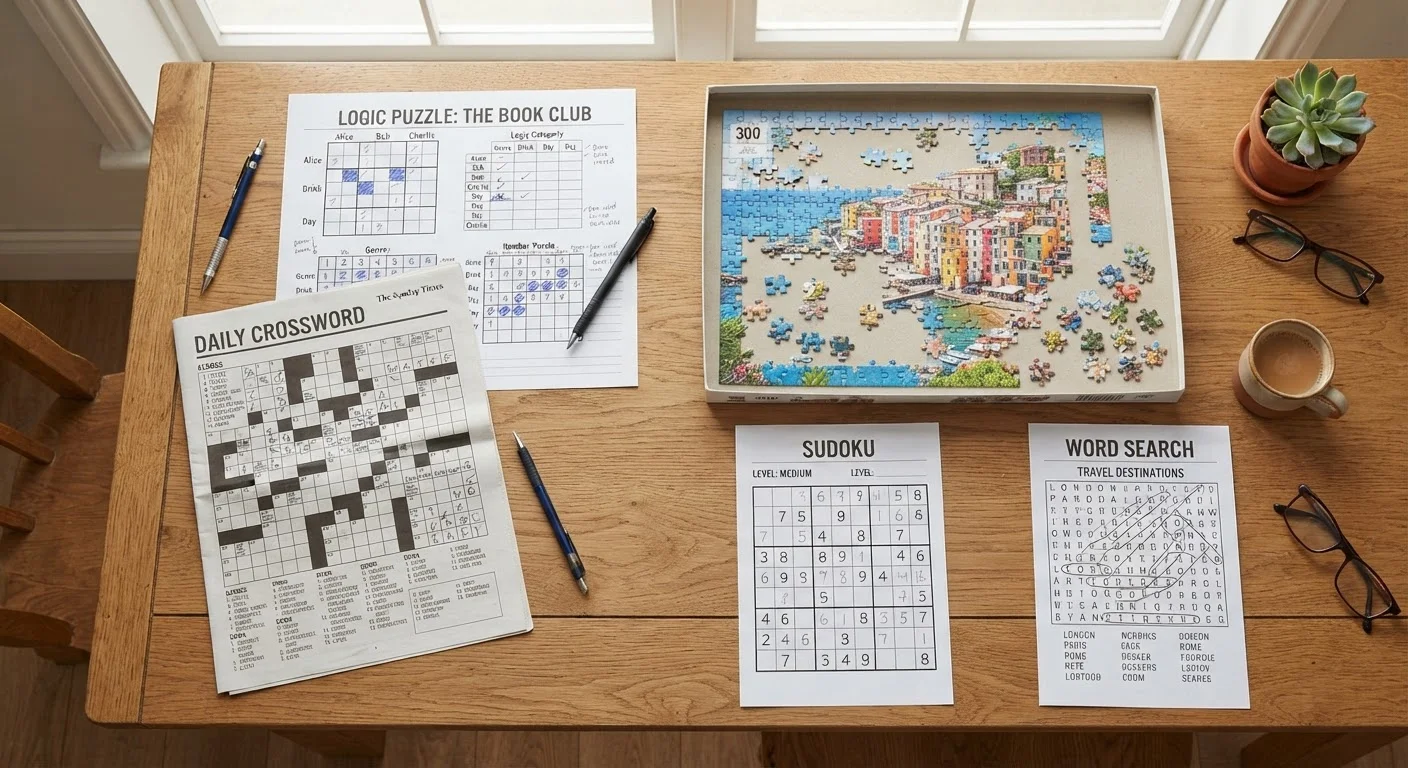
A more compact option, these are booklet-format games where all puzzles live on the page. Players write in margins, mark diagrams, and flip between sections. They're lightweight, travel-friendly, and often less expensive — a solid entry point for first-timers. If you enjoy these, you might also explore the full spectrum of puzzle types to see how escape room puzzles fit into the broader world of brain teasers.
App-Enhanced and Digital Hybrid Games
Some games pair a physical component set with a companion smartphone app that provides a ticking timer, ambient sound design, video story segments, and an integrated hint engine. These create a more immersive experience and can feel closer to the live venue format. The app also sometimes gates puzzle content digitally, preventing accidental spoilers from flipping ahead.
Subscription and Ongoing Series
Several publishers deliver monthly puzzle boxes to subscribers, each installment advancing an ongoing narrative. This format suits households that want a regular group activity — the recurring structure functions a bit like a book club, but for puzzle-solvers.
What Types of Puzzles Actually Appear
The puzzle variety inside home escape room games is genuinely broad. Common types include:
- Cipher and code-breaking: substitution ciphers, Caesar shifts, Morse code, and symbol-to-letter conversions.
- Pattern recognition: spotting sequences hidden in grids, images, or seemingly random data.
- Spatial and visual puzzles: overlaying transparent sheets, aligning torn map pieces, or reading text reflected in a mirror.
- Narrative deduction: piecing together who did what based on testimony cards — closer to a mystery game than a logic puzzle.
- Lock and key mechanics: entering a three-digit answer into a combination on a card or digital interface to unlock the next envelope.
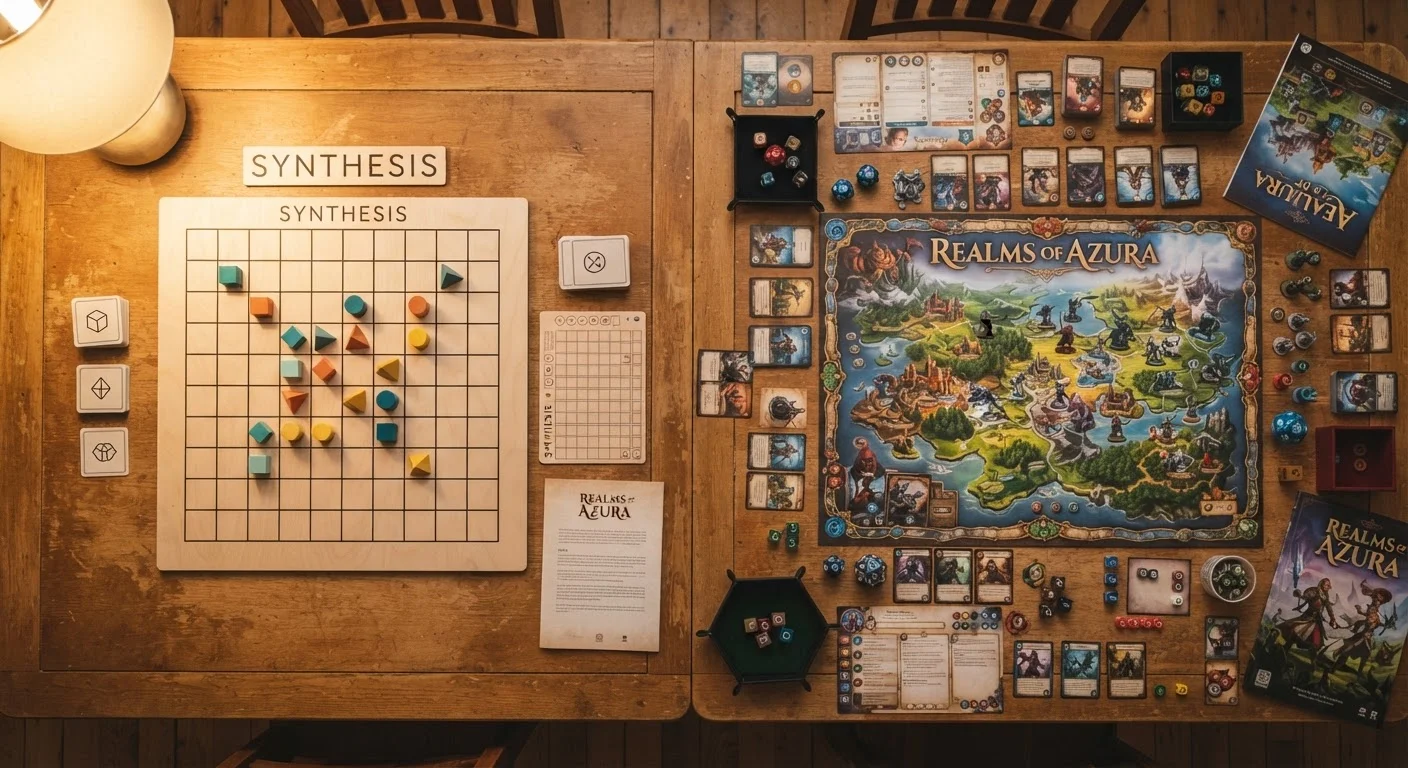
Because these games blend storytelling with puzzle mechanics, they sit in interesting territory compared to pure abstract challenges. If you're curious how story-driven games compare to purely logic-based ones, our piece on abstract strategy vs. thematic games explores that distinction in depth.
60–90 min
Typical playtime for most home escape room games
Most publishers design their home escape room experiences to fit within a standard evening session of one to one-and-a-half hours.
2–6
Recommended player count for most boxed games
Publisher guidelines consistently list this range as optimal for component sharing and collaborative puzzle flow.
50,000+
Escape room venues worldwide as of recent estimates
The physical escape room industry's rapid growth inspired publishers to develop home formats that capture the same experience without requiring a venue visit.
Setting Up a Great Home Escape Room Session
Getting the most out of a home escape room game is less about preparation than about mindset. Keep the group focused by silencing phones and committing to the timer — that pressure is half the fun. Designate a clear table space so components don't get shuffled accidentally, and resist the urge to peek at the hint system for at least the first 10–15 minutes on any puzzle.
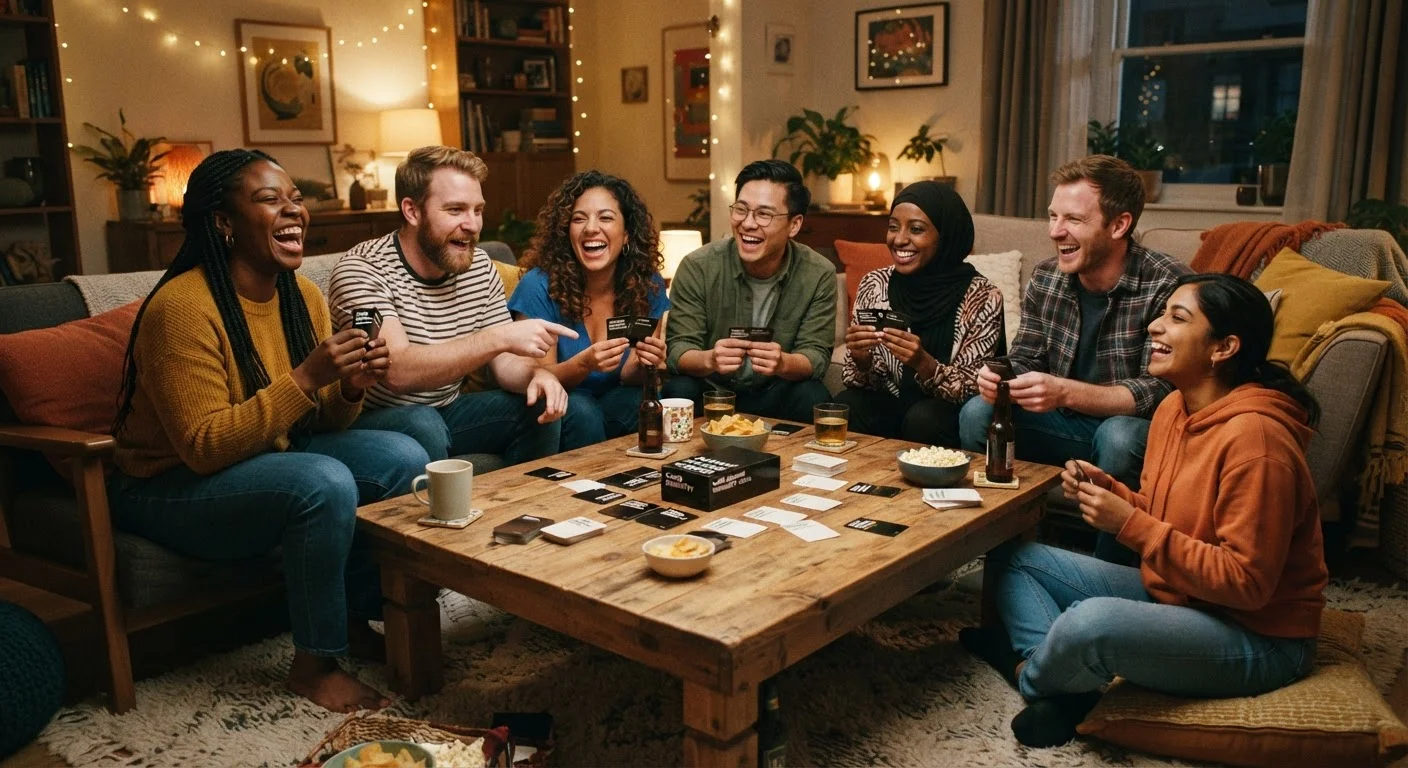
Group size matters more than people expect. Two players tend to create an intimate, collaborative dynamic where both people touch every puzzle. Four to five players allow for parallel problem-solving but require deliberate communication so no one is left watching while two others hog the clues. If your gathering is larger or more variable, you might find our guide on party games that scale helpful for rounding out the evening alongside an escape room experience.
After the game, most publishers include a full puzzle walkthrough. Reading it together — even if you solved everything — often reveals elegant design choices you didn't consciously notice, and it deepens appreciation for how much craft goes into a well-built escape room game.