
What Birdwatching Actually Involves
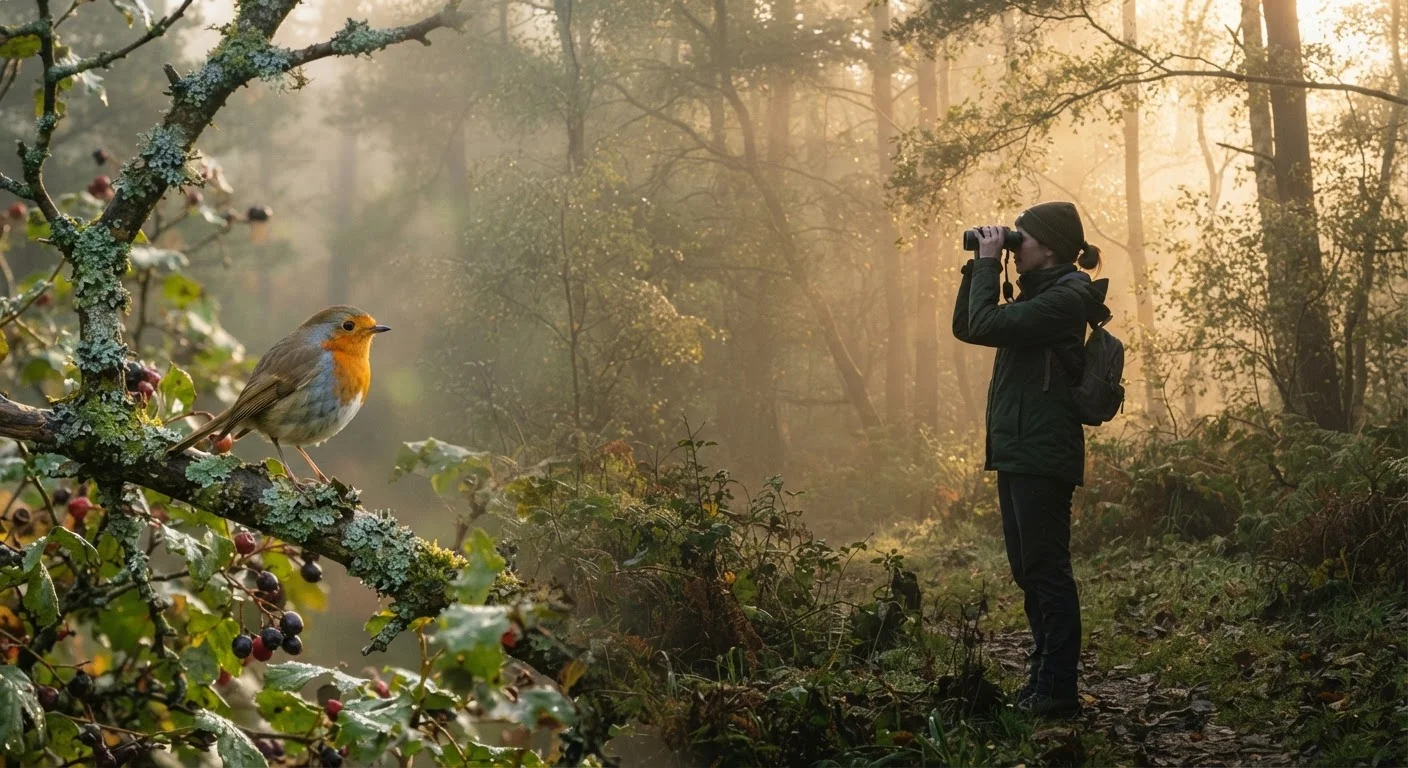
At its core, birdwatching — often called birding by those who pursue it seriously — is the practice of observing wild birds in their natural environments. That can mean a 20-minute walk through your local park with a pair of binoculars, or a pre-dawn drive to a coastal estuary to catch migrating shorebirds. The range of engagement is genuinely enormous.
What unites every level is a common skill set: learning to identify species by sight, sound, and behavior. Most birders keep a life list — a running record of every species they've confirmed seeing — which gives the hobby an ongoing, open-ended sense of progress. Field guides (print or app-based) and community platforms help newcomers move quickly past the beginner stage.
If you're curious how birdwatching fits among other nature-based or creative pursuits, this overview of adult hobbies maps out the broader landscape of what's realistically available to start today.
The Real Advantages of Taking Up Birding
Birdwatching has a quietly impressive list of genuine benefits — and not just the ones you'd expect from any outdoor activity.
Extremely low barrier to entry
A basic pair of binoculars and a free identification app are enough to get started. Unlike many outdoor hobbies, you don't need specialized gear, a vehicle, or physical training before your first meaningful outing.
Documented mental health benefits
Research published in journals like BioScience and Scientific Reports has linked time in nature and wildlife observation to measurable reductions in anxiety and stress. Birding structures that outdoor time with purpose.
Works year-round across most of the U.S.
Unlike many outdoor hobbies tied to warm weather, birding offers a compelling reason to go outside in every season. Winter brings irruptive species and resident birds that are easier to spot in bare trees; spring migration is considered by many to be the hobby's peak season.
Builds genuine natural history knowledge
Birders naturally learn about ecosystems, plant communities, and seasonal cycles as they chase species in different habitats. Over time, you develop a working understanding of local ecology that feels earned.
Strong, welcoming community
Birding has a notably inclusive culture. Local chapters, online communities, and beginner-friendly group walks mean new participants rarely have to figure things out entirely alone.
Scalable effort and cost
You can spend an hour at a local pond or a week traveling to a birding hotspot like the Texas Gulf Coast. The hobby scales as much — or as little — as your schedule and budget allow.
96M+
Americans who watch wildlife, including birds
According to the U.S. Fish & Wildlife Service's National Survey of Fishing, Hunting, and Wildlife-Associated Recreation, wildlife watching is among the most widely practiced outdoor activities in the country.
~$41B
Annual U.S. spending on wildlife watching
The same USFWS survey estimated that wildlife watchers, including birders, collectively spend tens of billions annually on equipment, travel, and related expenses — underscoring both the hobby's scale and its economic footprint.
Beyond the physical side, birding sharpens observational skills in ways that carry over into everyday life. You train yourself to notice small movements, subtle color differences, and faint sounds. Many birders describe the hobby as naturally meditative — it's difficult to ruminate about work deadlines when you're straining to catch a warbler's chip note in dense foliage.
The social dimension is worth mentioning too. Local Audubon chapters, birding clubs, and community science platforms like eBird connect participants across experience levels. Beginners are typically welcomed warmly, and group birding walks are a low-pressure way to learn fast from more experienced eyes and ears.
The Honest Drawbacks Worth Knowing
No hobby is without friction, and birdwatching has a few recurring pain points that beginners don't always hear about upfront.
Gear costs can spiral quickly
Once the hobby takes hold, the temptation to upgrade binoculars, add a spotting scope, or invest in a camera with a telephoto lens becomes real. High-quality optics alone can run into hundreds or even thousands of dollars.
Early learning curve can be frustrating
North America has over 900 regularly occurring species, and many look startlingly similar. Beginners often struggle with the sheer volume of look-alike sparrows, warblers, and shorebirds before pattern recognition starts to click.
Patience is a genuine prerequisite
Birding rewards stillness and quiet attention. Readers who prefer fast-paced, immediately rewarding activities may find early sessions feel slow or anticlimactic before skill builds.
Access to good habitat isn't universal
Prime birding spots — estuaries, old-growth forests, grasslands — aren't evenly distributed. Urban birders may need to travel meaningfully to reach the habitats where more sought-after species appear.
Weather dependency adds unpredictability
Wind, rain, and extreme heat all suppress bird activity, which can make a planned outing feel like a wasted trip. Learning to read weather patterns takes time and doesn't eliminate disappointment.
It's also worth setting realistic expectations around early progress. The first season of birding involves a lot of "I know something was there" moments — birds are fast, often hidden, and don't cooperate with learners. That early frustration is normal, but it does separate people who stick with it from those who don't. The tipping point usually comes when you start recognizing bird calls, which transforms every outdoor experience into an immersive one.
Birdwatching and Pets: A Quick Note
If you keep outdoor cats, it's worth knowing that free-roaming cats are documented as a significant source of wild bird mortality in North America. The indoor vs. outdoor cat debate involves many factors, but birdwatchers with cats often consider supervised outdoor time or enclosed catios as a middle-ground approach worth exploring.
Getting Started Without Overthinking It
The most common mistake prospective birders make is waiting until they have the "right" equipment. A pair of mid-range binoculars and a free app like Merlin Bird ID (developed by the Cornell Lab of Ornithology) are genuinely sufficient to start identifying dozens of backyard and park species. You don't need a spotting scope, a camera, or a dedicated birding vest on day one.
Start local. Your backyard feeders, a nearby city park, or a local nature reserve will surface far more species than you'd expect. Seasonal variety keeps things fresh — spring migration alone can bring dozens of species through a single patch of habitat that looked quiet all winter.
Birdwatching also pairs naturally with other outdoor interests. Hikers often find that adding a birding component to their trails makes familiar routes feel entirely new. If you enjoy creative travel pursuits, hobbies that travel well explores other nature-compatible activities worth combining with a birding trip.
Above all, give it at least three or four outings before judging the hobby. Birding rewards consistency — the more time you log outside, the more your pattern recognition improves, and the more satisfying every session becomes.