Why Resolution Is Only the Starting Point
Walk into any electronics store and the resolution pitch hits you immediately: 4K, 8K, 1080p. These numbers count pixels — tiny colored dots arranged in a grid across the screen. A 4K TV has roughly 8.3 million pixels; a 1080p set has about 2 million. More pixels can render finer detail, but that detail only becomes visible under the right conditions.
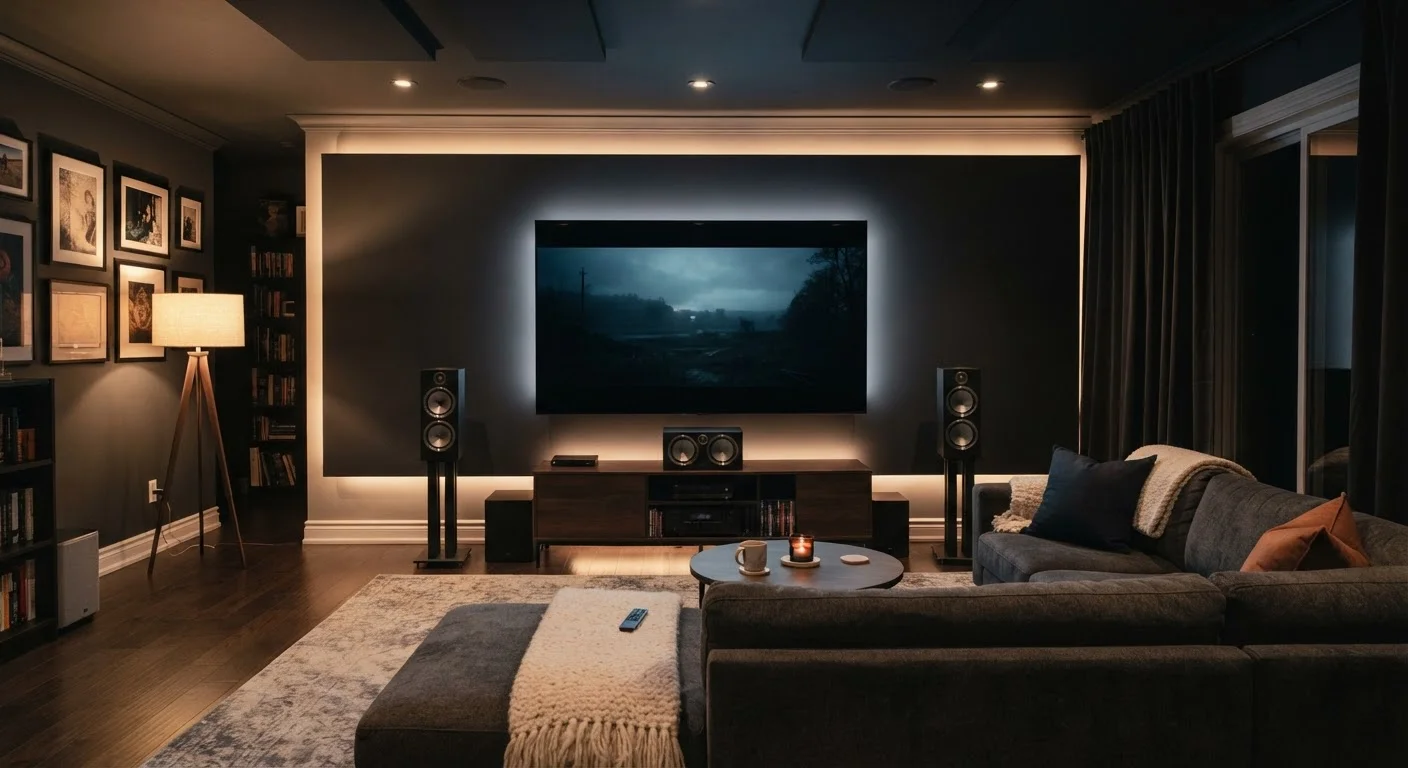
Viewing distance is one of the most important conditions. At typical living-room distances, the human eye cannot distinguish 4K from 1080p on screens smaller than roughly 55 inches. Push the screen larger or sit closer, and 4K detail becomes perceptible. This is why planning your room layout before choosing a screen matters so much — resolution only pays off when the geometry of your space supports it.
Beyond distance and size, picture quality depends heavily on panel technology, contrast performance, color accuracy, and high dynamic range (HDR) handling. None of those factors appear in a resolution number.
Common Myths About TV Resolution — Corrected
The following myth-and-fact pairs address the most widespread misconceptions shoppers encounter when evaluating TVs based on resolution specs alone.
Myth
Higher resolution always means a noticeably better picture.
Fact
Resolution improvements become invisible beyond a certain screen size and viewing distance combination; other image quality factors often matter more.
Pixel density — how many pixels fit per inch — determines whether extra resolution is visible to the human eye at a given distance. On a 40-inch screen viewed from 8 feet away, the difference between 1080p and 4K is imperceptible for most people with typical vision. The gains from resolution only appear when screen size increases or viewing distance shortens. Meanwhile, a 1080p TV with excellent local dimming and accurate HDR can look more lifelike than a poorly calibrated 4K set.
Myth
8K TVs deliver a dramatically superior experience for everyday viewing.
Fact
Almost no consumer content is natively produced or broadcast in 8K, and the visual difference over 4K is barely detectable at typical home viewing distances.
8K resolution (approximately 33 million pixels) would require a very large screen — generally 75 inches or more — and close viewing to yield any perceptible benefit over 4K. Native 8K content from streaming services or broadcast is extremely limited. TVs upscale lower-resolution content to fill 8K screens, which can improve sharpness modestly, but the improvement rarely justifies choosing 8K resolution as a primary purchase criterion for most households.
Myth
A TV's resolution number tells you how good the contrast will be.
Fact
Resolution and contrast are entirely separate measurements; contrast performance depends on panel technology and backlight design, not pixel count.
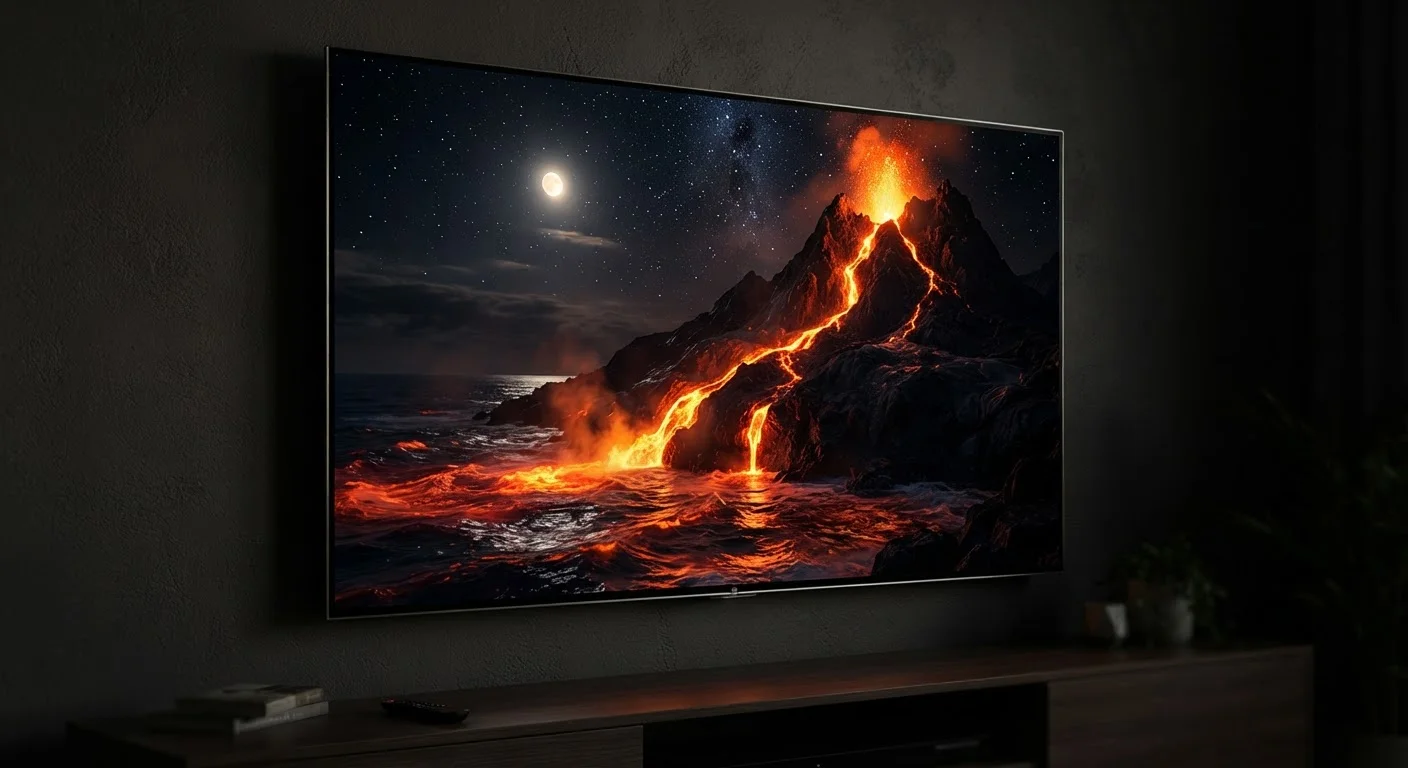
Contrast ratio describes the difference in luminance between the brightest white and the darkest black a display can produce simultaneously. This is determined by whether the panel uses self-emissive pixels (as in OLED), full-array local dimming zones, or edge-lit backlights — none of which are captured by a resolution figure. A high-contrast image with deep blacks and bright highlights often appears sharper and more three-dimensional than a higher-resolution image with flat, washed-out blacks.
Myth
More resolution automatically means more color accuracy.
Fact
Color accuracy is a function of panel calibration, color gamut coverage, and processing — independent of how many pixels the screen has.
Color accuracy describes how faithfully a screen reproduces intended colors. Industry reference standards like DCI-P3 (used in cinema) and Rec. 2020 (used in wide-color HDR content) measure how much of a defined color space a display can cover. A TV can hit 4K resolution while covering only a narrow slice of the DCI-P3 gamut, producing colors that look dull or inaccurate. Conversely, a well-calibrated panel with broad color volume can render strikingly realistic images regardless of resolution tier.
Myth
Resolution is the specification most worth comparing when choosing between two TVs.
Fact
For TVs in the same size category, panel technology, HDR capability, and brightness performance typically produce more visible differences than resolution alone.
When comparing TVs of similar screen size, both are likely 4K today — making resolution a near-constant rather than a differentiator. The more meaningful questions involve peak brightness in nits, the HDR formats supported, the type and quality of local dimming, and how the panel handles fast motion. These are the variables most likely to create a perceivable difference in day-to-day use. For laptop screens, a similar logic applies — as explored in what laptop display specs are really telling you.
The Factors That Actually Drive Picture Quality
Once resolution is treated as a baseline rather than a headline, several other specifications deserve attention.
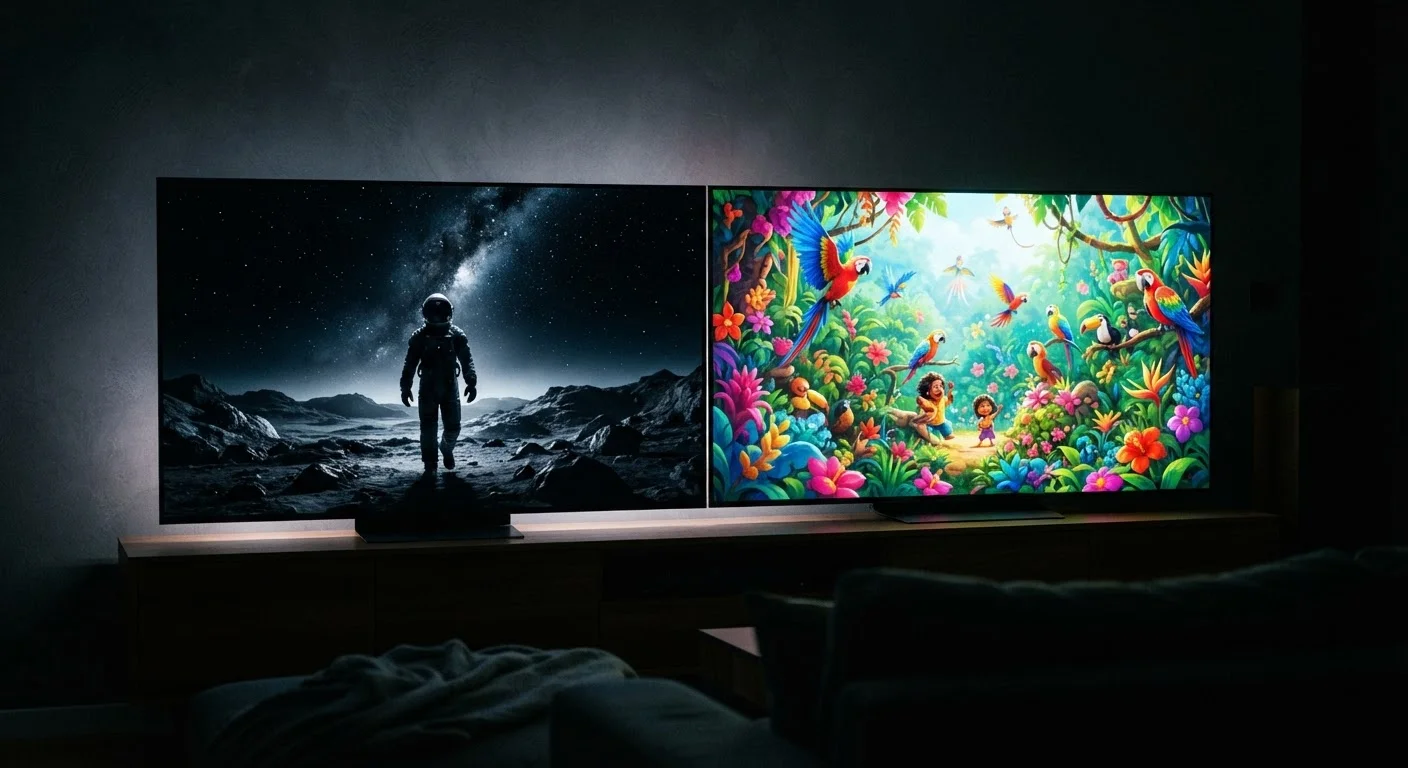
- Panel type: OLED panels turn off individual pixels to produce true blacks, while QLED panels use a backlit LCD structure with quantum dot color enhancement. Each approach handles light and shadow differently. How OLED and QLED produce light and color comes down to fundamentally different engineering.
- HDR performance: HDR expands the range between the brightest highlights and the darkest shadows in an image. A TV's peak brightness (measured in nits) and its ability to maintain color accuracy at high brightness levels determine how impactful HDR looks. Different HDR formats — including HDR10, Dolby Vision, and HLG — deliver this data differently; see a breakdown of HDR formats side by side.
- Local dimming: High-end LCD TVs divide their backlights into zones that can dim independently, improving contrast without the cost of OLED. The number and precision of those zones varies significantly between models.
- Refresh rate and motion handling: How smoothly motion is rendered is separate from resolution entirely. Refresh rate and motion interpolation can make films look unnaturally smooth — a processing artifact rather than improved clarity.
- Connectivity: Delivering 4K content at high refresh rates also depends on your cables. HDMI 2.1 unlocks bandwidth that older HDMI versions cannot match for gaming and high-frame-rate video.
Understanding these factors collectively — not resolution in isolation — gives a much more accurate picture of what a TV will actually look like in your home.